
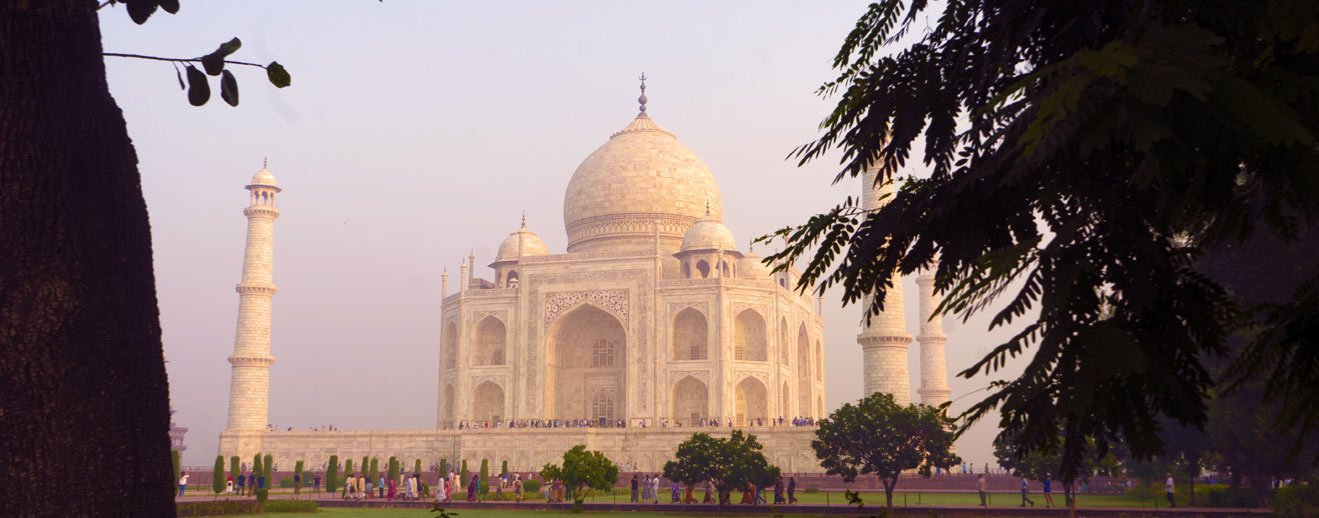
From 1556 to 1658, Agra was the capital of the Mughal Empire. Today it is best known for the Taj Mahal, one of the world’s most famous monuments and now a kind of emblem of India. With no fewer than 10,000 visits per day, the Taj Mahal seems to enjoy a prestige like no other …
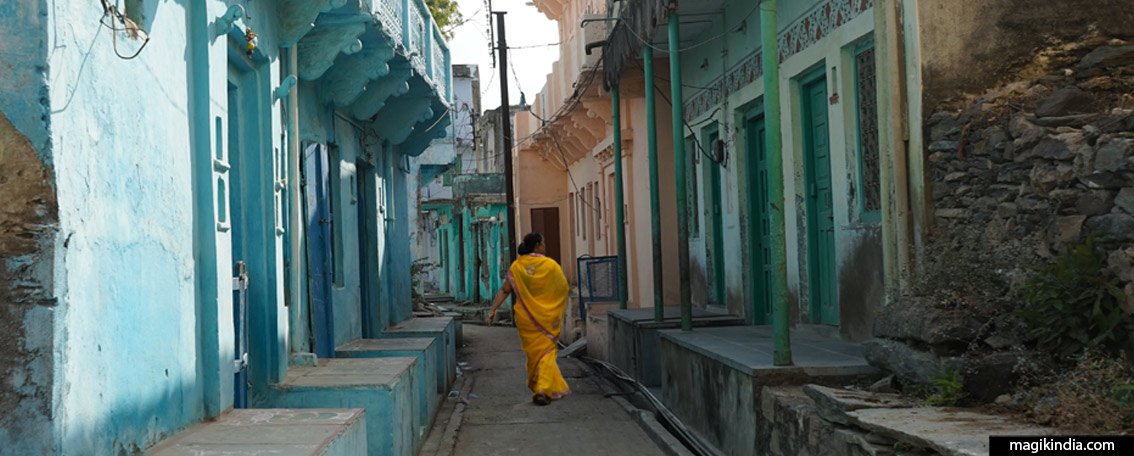
Delwara is a town nestled in the heart of the Aravalli Mountains, barely thirty kilometers from Udaipur, the romantic city of lakes of Rajasthan. While Delwara is surprisingly little known, it was once a major spiritual center and a renowned place of learning for the future rulers of Mewar; its thousands of Hindu temples and …
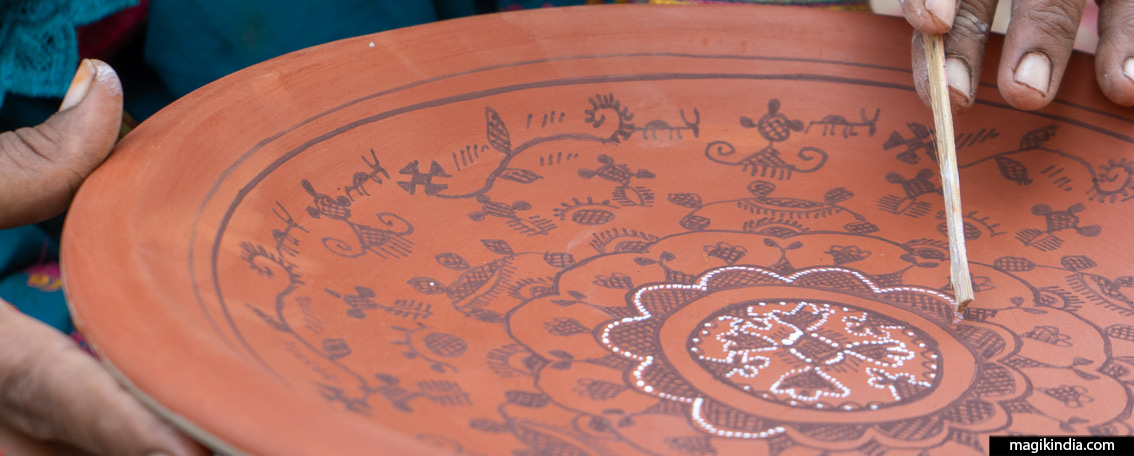
In the north of the district of Kutch (Gujarat), on the edge of the great white desert, is the village of Khavda which gave its name to a very specific ceramic, whose origins date back to the thousand-year-old civilization of the Indus Valley. While the art of pottery from this region has survived since the …
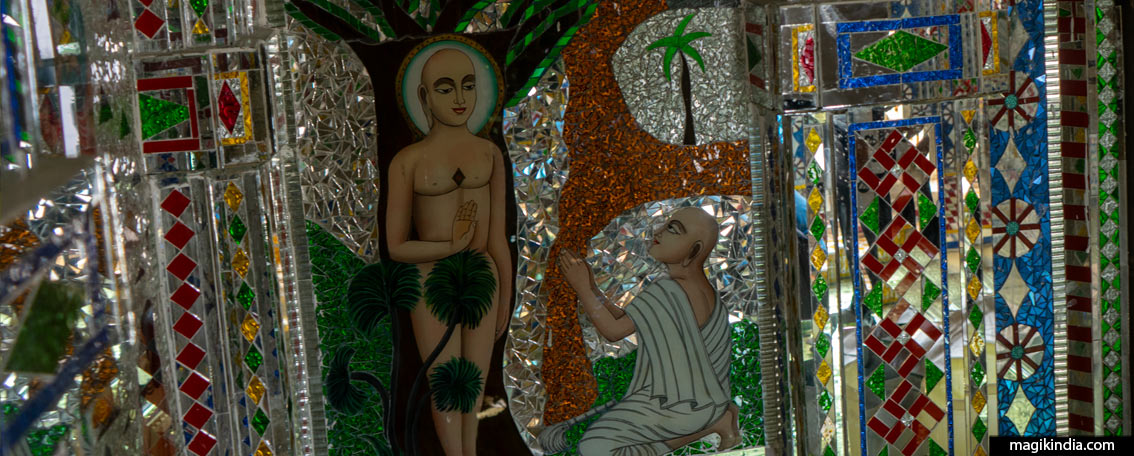
Tera is one of the oldest villages of Gujarat, located in the Abdasa region of Kutch. Although the town only has a few inhabitants now, it was nevertheless, in the 18th century, one of the major strongholds of the Jadeja lords. Its fort, with its powerful ramparts, bears witness to its former splendor. But Tera …
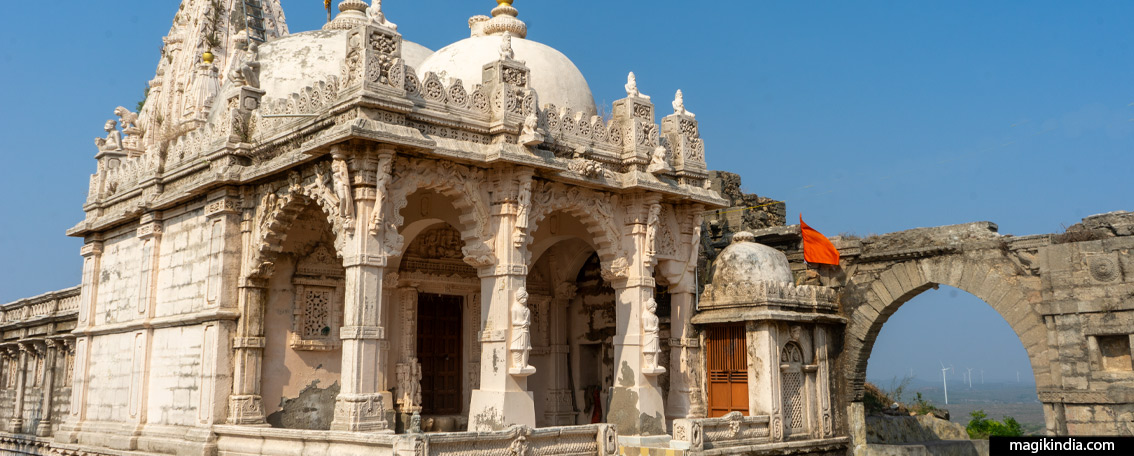
It might not seem like it, but Roha Fort was, in the 16th century AD, one of the most powerful in Kutch (Gujarat). Located on a hill of the same name, 50 km from Bhuj, the fortress is a timeless destination which, although overgrown with weeds, will delight travelers who, like me, love old sites …
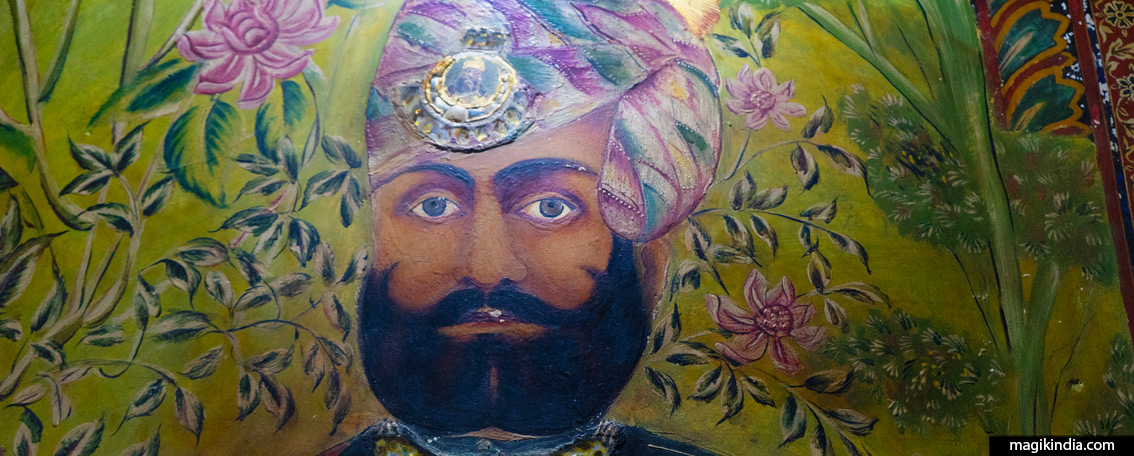
If you have ever visited Nawalgarh, in the Shekhawati region (Rajasthan), it is very likely that you have missed its fort, Bala Kila. Although the latter has lost its former glory, there remains a marvelous hidden room, the Sheesh Mahal, which then served as a lodge for the Maharanis.
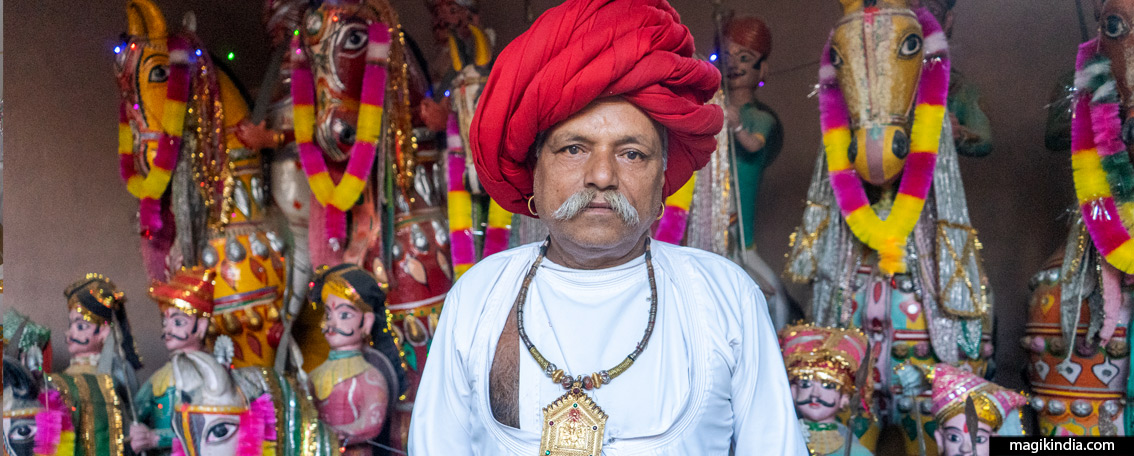
Since the battle of Sirohi, the close ties that have been established between the Rajputs and the Raïka Rabaris are no longer in doubt. The latter, simple camel breeders at the base, have repeatedly sacrificed their lives fighting alongside the Maharajas. It is therefore not surprising that this pastoral community is highly respected by the …
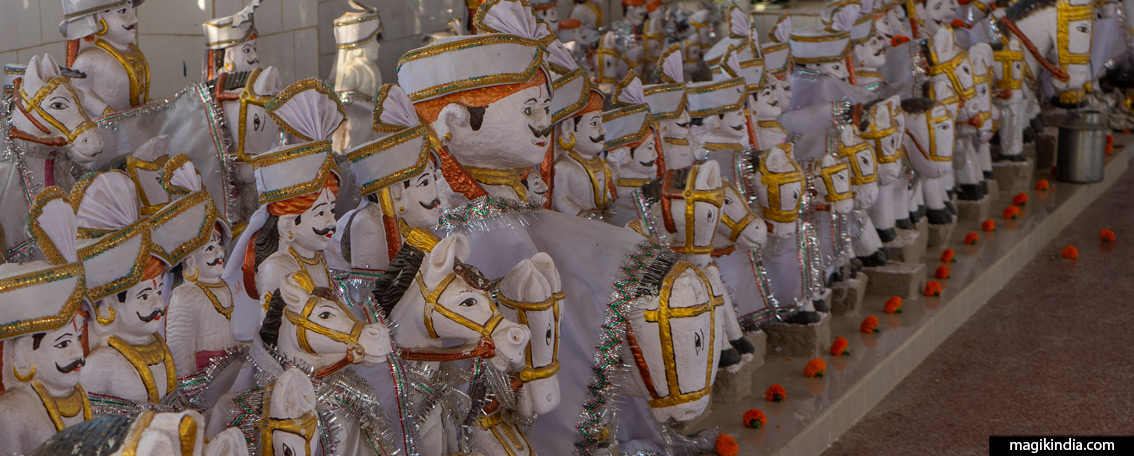
Seeing this alignment of horsemen, one would be tempted to draw a parallel with the valiant warriors of the Momaji temples of Rajasthan. But that’s another story here, the one told to me by Krutarth Sinh Jadeja, while I was staying in his elegant century-old mansion in Devpar. What is the part of legend and …
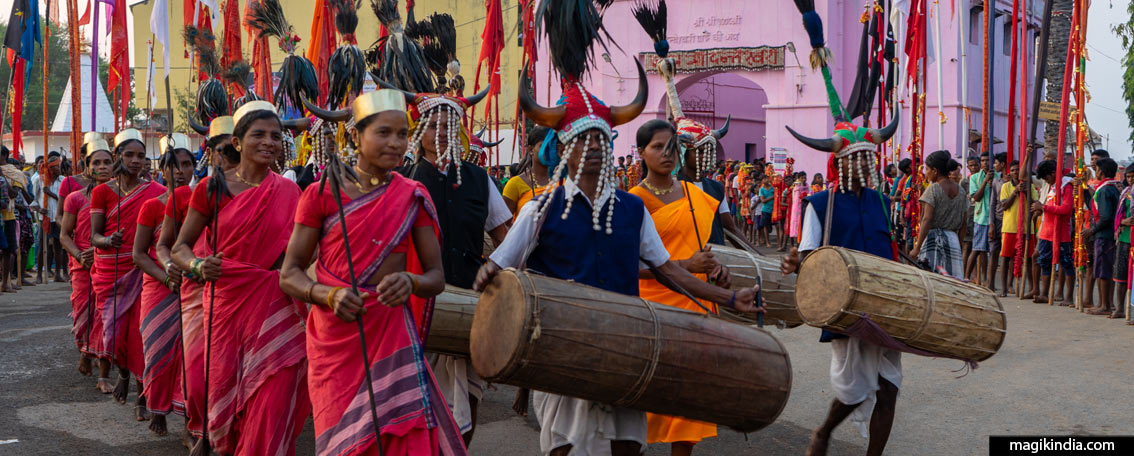
Along with Dussehra, Phagun Madai is another important festival of Bastar region in the state of Chhattisgarh. It is organized every year in Dantewada, a town located 80 km south of Jagdalpur where 60% of the population is “adivasi”, that is to say of indigenous origin. This 10-day festival, which takes place during the month …
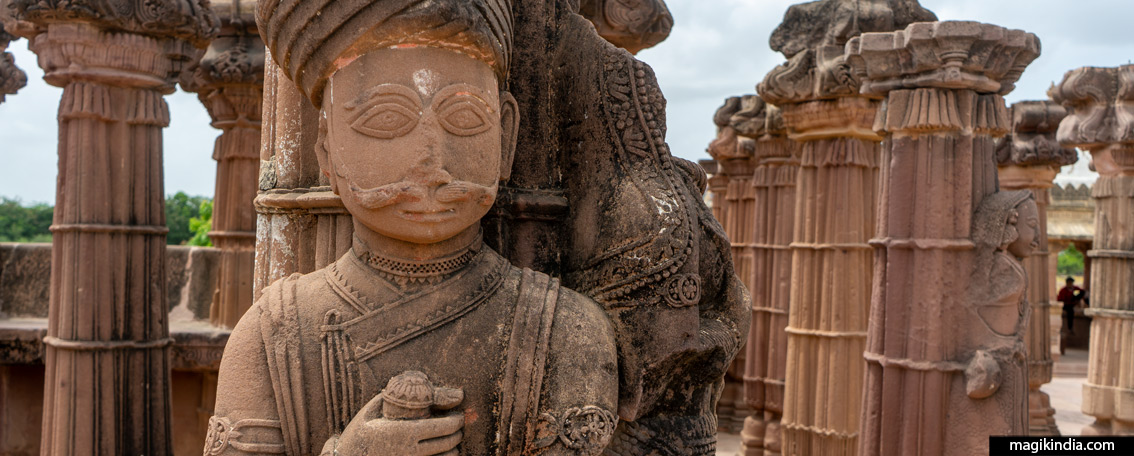
For some reason, some guides skip the Chhatardis of Bhuj. And, if we are poorly informed by the locals, we could miss these remarkable cenotaphs built in memory of the Maharaos Jadeja of the Kutch district, Gujarat.
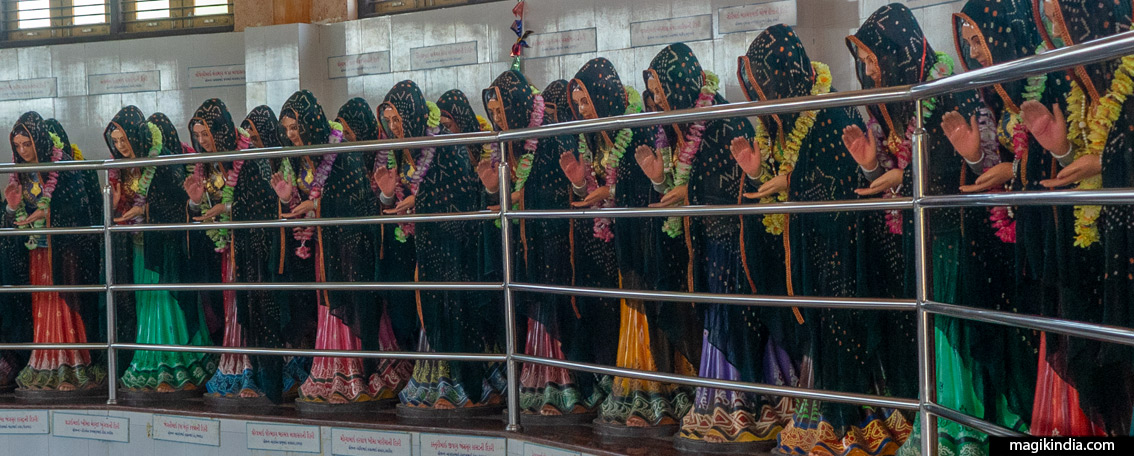
Located in Rapar Taluka, east of Kutch district (Gujarat) and an hour and a half from the archaeological site of Dholavira, Vrajvani is a much revered temple, especially by the Ahir community. This shrine is absolutely unique in India in that it houses 140 life-size statues of women.
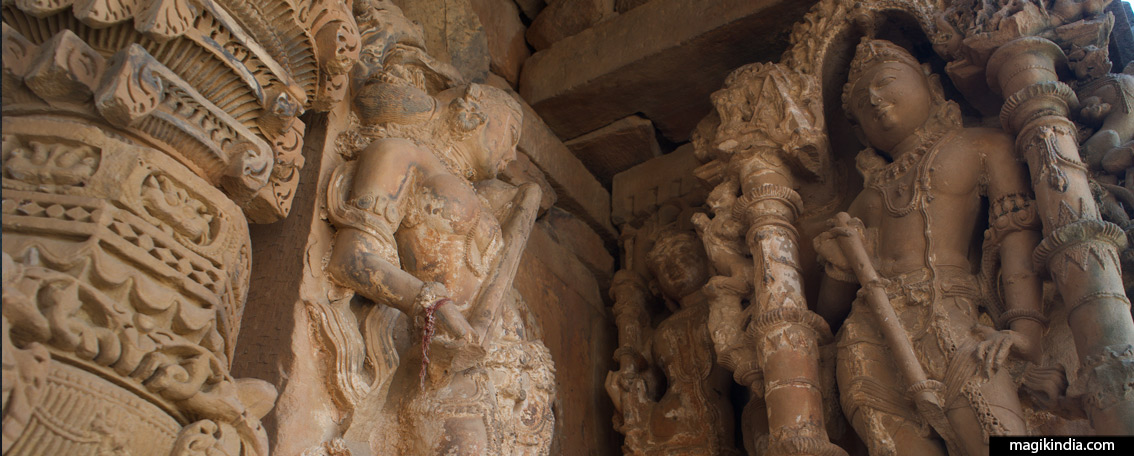
Harshnath, located on the Aravalli hill of Harshagiri, 900 meters above sea level, is the beautiful archaeological surprise of Sikar district (Rajasthan). This group of temples, the oldest of which dates back to the 10th century AD, is still little known to travelers.
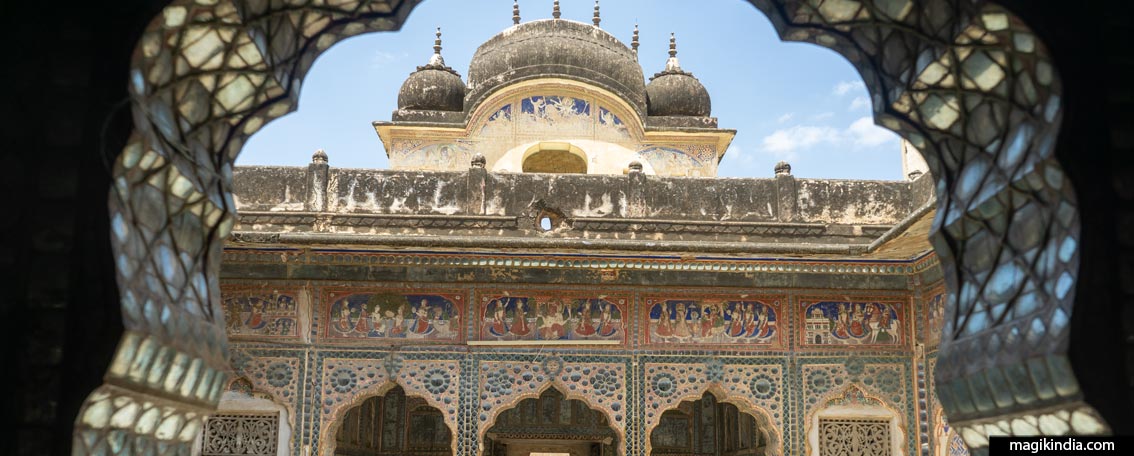
It’s no longer a secret, the Shekhawati region is one of my absolute favorites in Rajasthan. Not only is it the native land of my in-laws, but above all it is an inexhaustible treasure trove of architectural jewels. The Khemka Shani temple located in the city of Ramgarh, two hours from Jaipur, is one of …
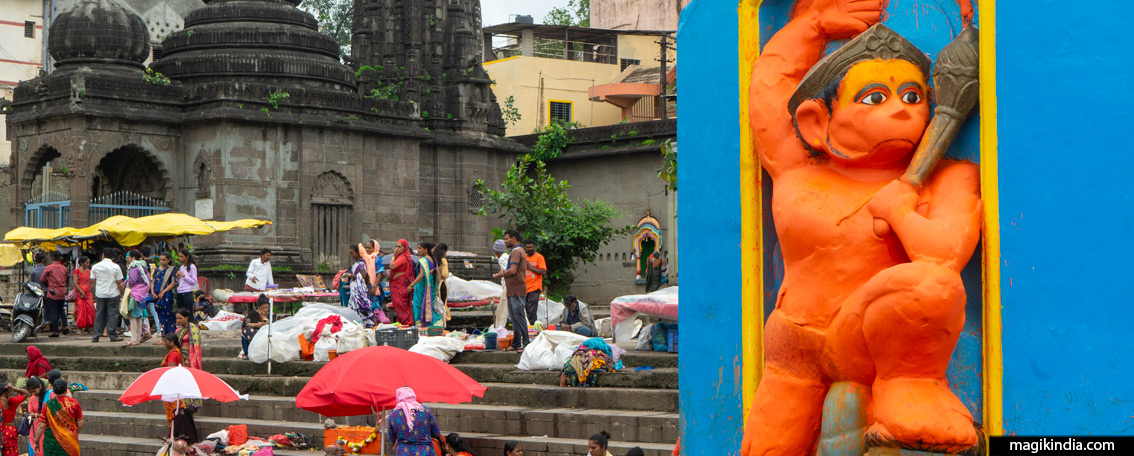
Nasik, located 160 km from Mumbai, the capital of Maharashtra, is considered one of the holiest cities in India. Not only does it host the famous Kumbh Mela every twelve years, but it is also where Lord Rama of lived for a few years in exile with his wife Sita and his brother Laskhman. On …
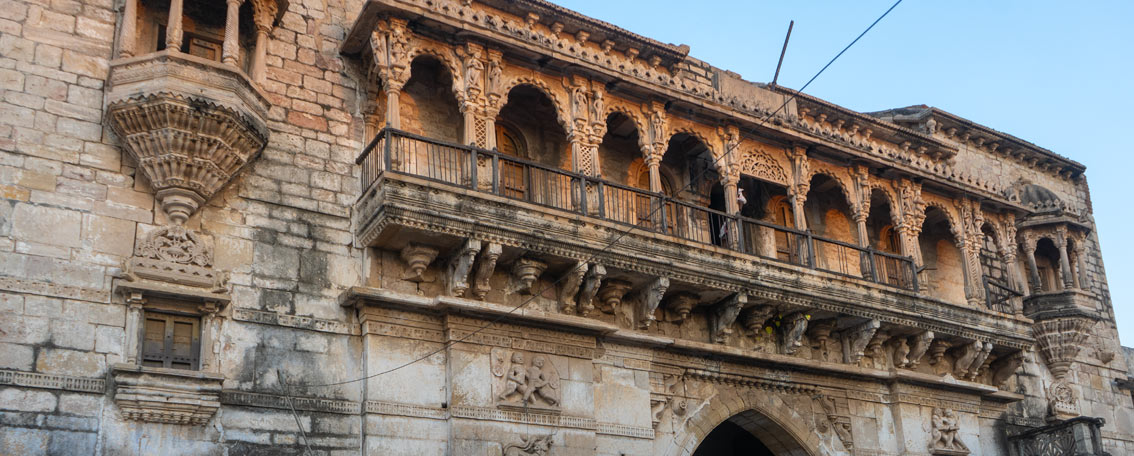
Sayla was love at first sight for me! Located in the Saurasthra peninsula, three hours from Ahmedabad, the city of the Rajputs Jhala is a destination still little visited by travellers. And yet, it has lots to offer! Apart from its charming old town, its many historical monuments and its skilled craftsmen, Sayla is also …
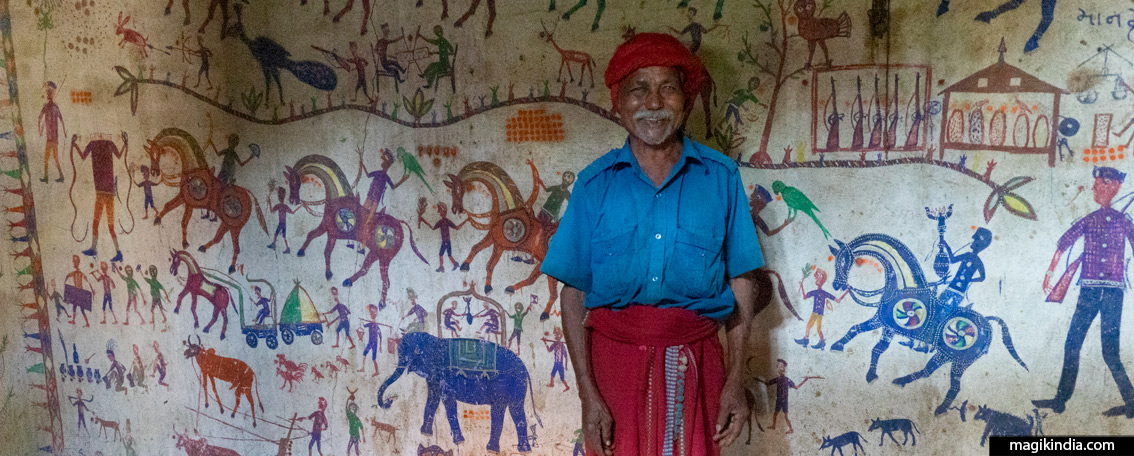
A Pithora painting, even reproduced on a canvas, is above all considered a sacred ritual. It is performed by the Adivasi Rathwa people of Chhota Udepur and Panchmahal districts in Gujarat. These colorful naive frescoes that seem to belong to millennial times, illustrate the mythology and the daily life of the Rathwas.
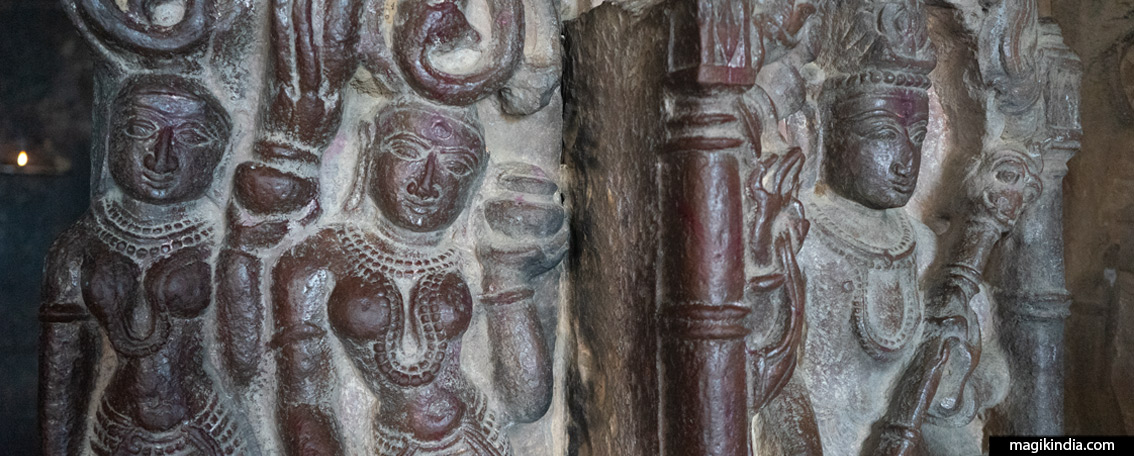
Located on the road between Bundi and Chittorgarh, the Menal temple complex is an essential cultural stopover in Rajasthan. This ancient site, in addition to being an architectural gem, was a high place of Shaivism during the reign of the Chahaman sovereigns in the 11th century AD.
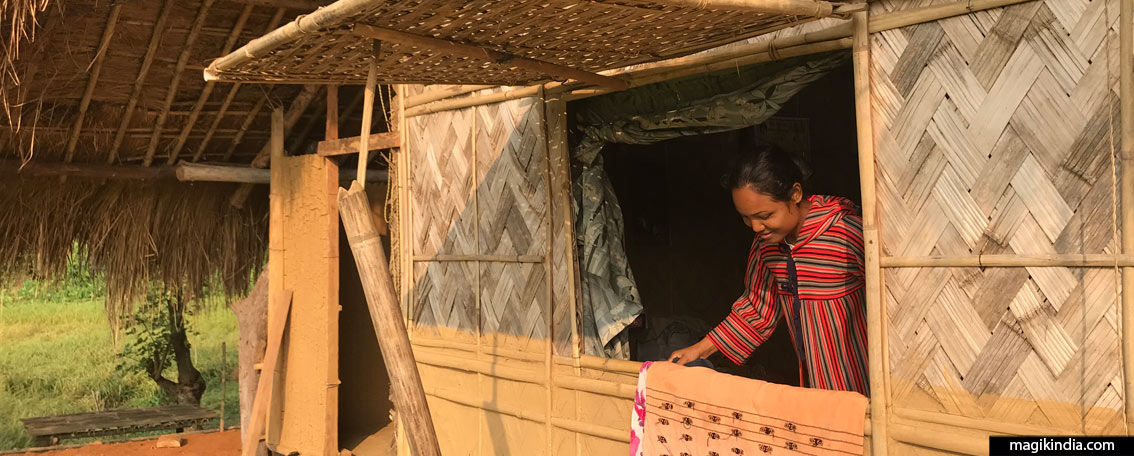
During a trip, there is always a climax, a moment more striking than another, which we cherish long after. My stay with the Rabhas, on the shores of Lake Chandubi, Assam, was one of these. The generosity of my hosts and the serene beauty of the place still accompany me.
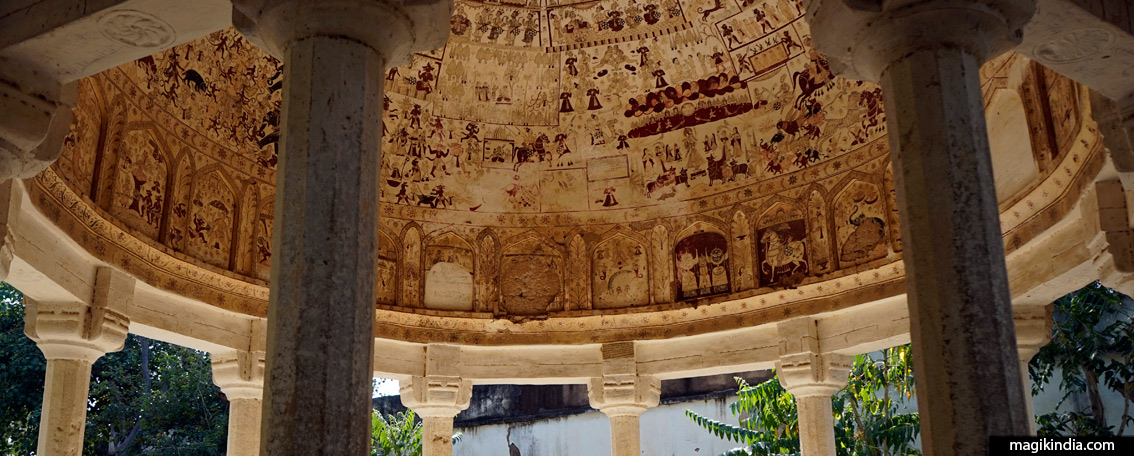
Among the countless small architectural gems of Shekhawati, the Chhatri of Parasrampura figures prominently. It houses the oldest frescoes of the region, illustrating in a simple, yet exquisite way, the princely life of Thakurs of the 18th century and some episodes from Hindu mythology.
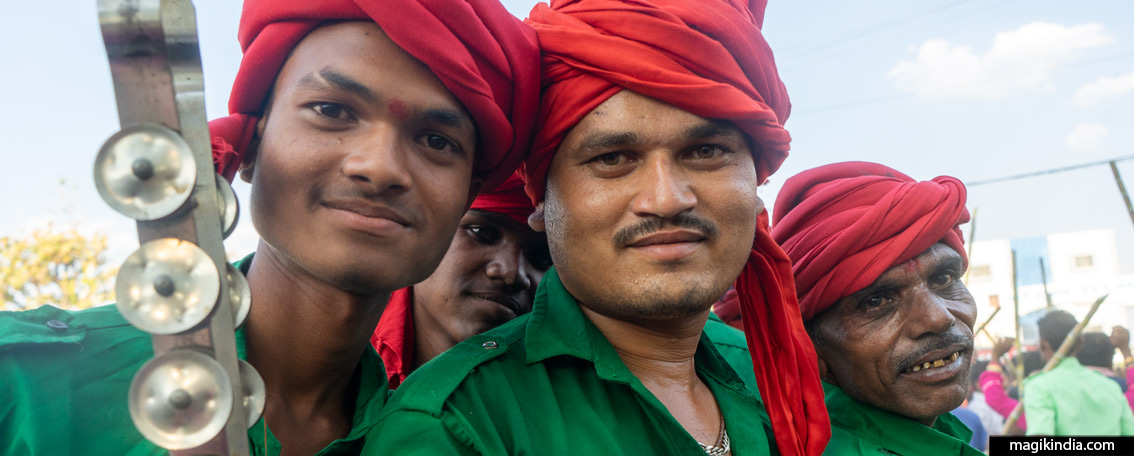
I often say several lives are necessary to know India. It constantly surprises us, piques our curiosity and rekindles our thirst for discovery at every moment. The Holi festival of the Rathwas, an adivasi community of Gujarat, is one of those wonderful surprises the Indian subcontinent has in store for us. Here, the arrival of …

