

If Gujarat captivates me, it is above all by the human richness of its communities. After exploring the world of...

Mount Girnar, The Sacred Roof of Gujarat
Majestic and sacred, Mount Girnar stands as one of the jewels of Gujarat. This mystical mountain, towering over the city of Junagadh, is a reward that must be earned: climbing the 9,999 steps that wind their way to its summit is a physical challenge etched forever in the memories of those who undertake it. Fortunately, the fervour of the pilgrims transforms this ordeal into a deeply convivial and communal experience. it’s a total immersion in mystical India, crowned by breathtaking landscapes.
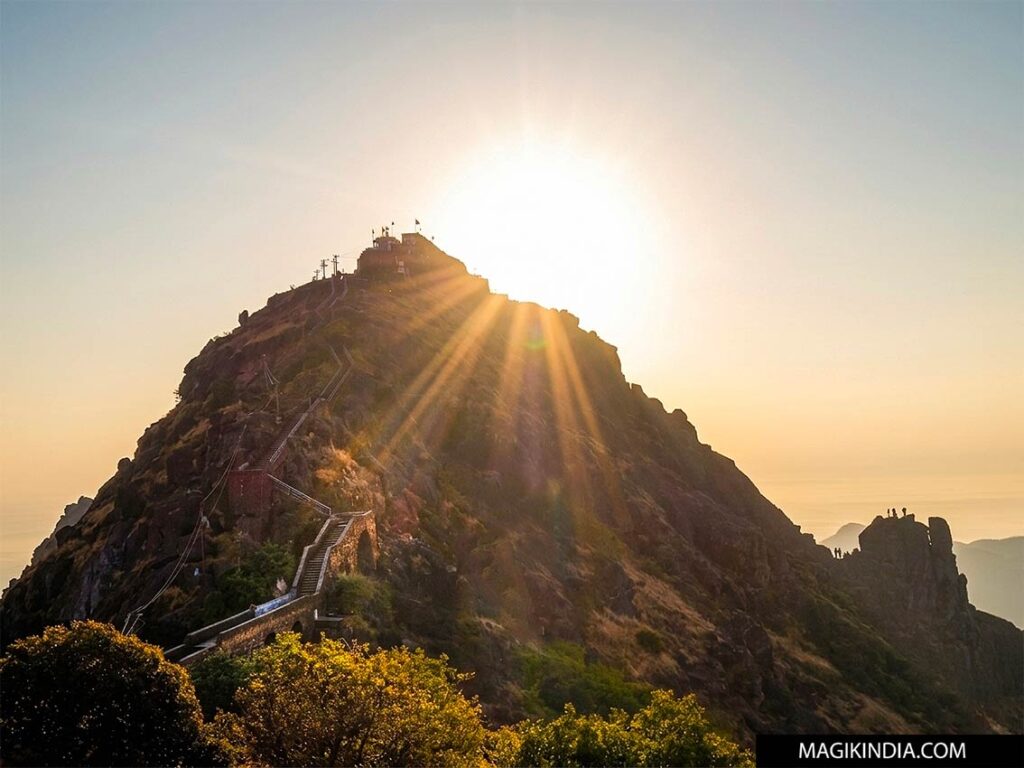
Lifting its stone silhouettes four kilometers from Junagadh, Mount Girnar (or Mount Neminath) stands tall at 1,118 meters as the “Roof of Gujarat.” More than a geographical boundary, it is a sacred land where fervent devotions merge, sheltering Hindu temples and Jain derasars beneath a single sky.
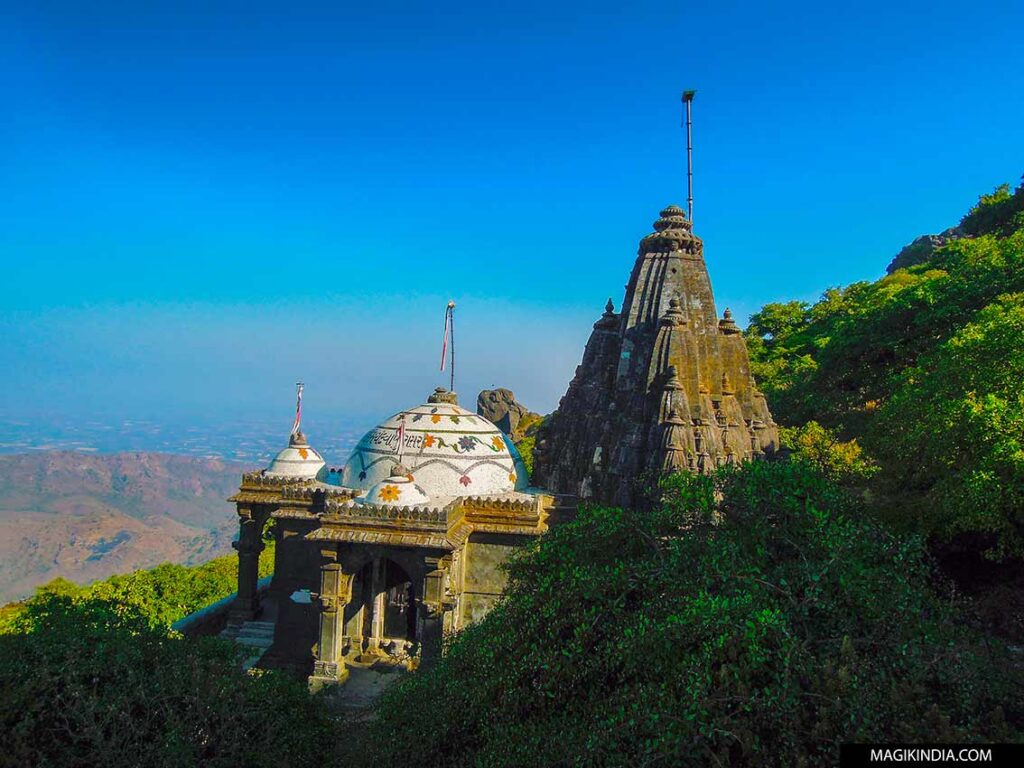
The secret, peaceful slopes of the hill shelter a constellation of ashrams and hermitages dedicated to meditation. Once a year, the site becomes the stage for a grand pradakshina; a ritual circumambulation of immense sanctity that directly echoes the sacred pilgrimages around Mount Govardhan in Mathura or Mount Arunachala in Tamil Nadu.
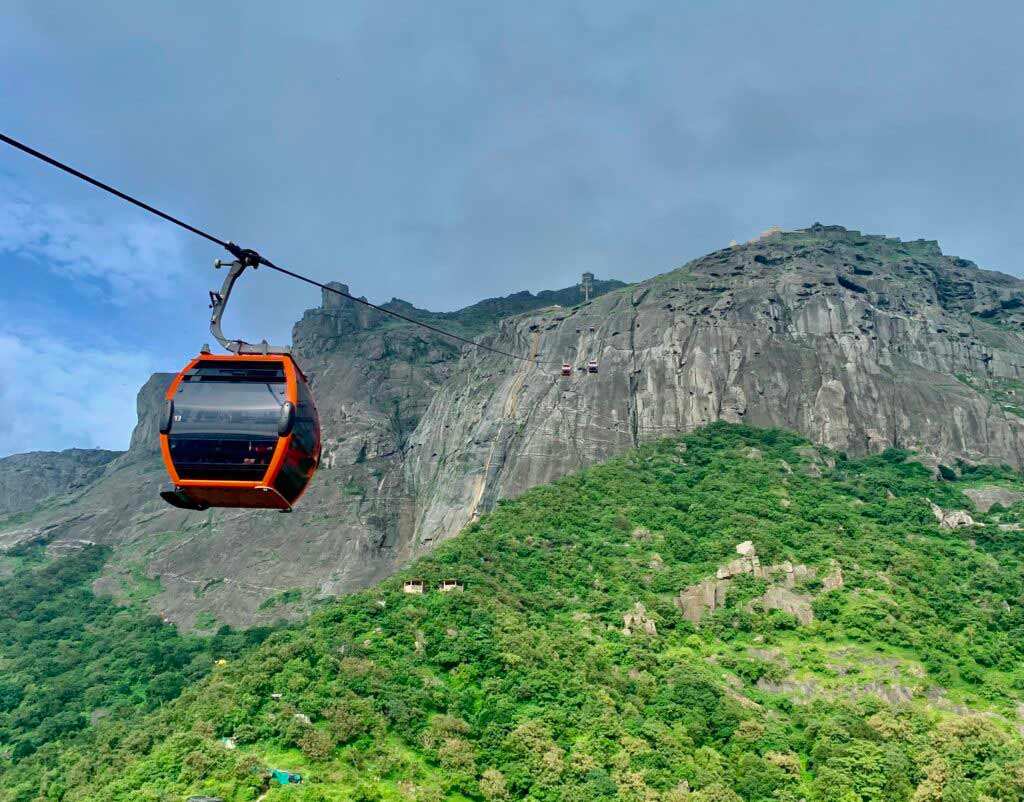
The ascent can be completed entirely on foot, but it requires excellent physical fitness; allow between 6 and 7 hours of walking for an athletic individual. For others, a modern cable car now offers a quick way to reach the heights (see practical information below).
The Pilgrimage to Mount Girnar on Foot
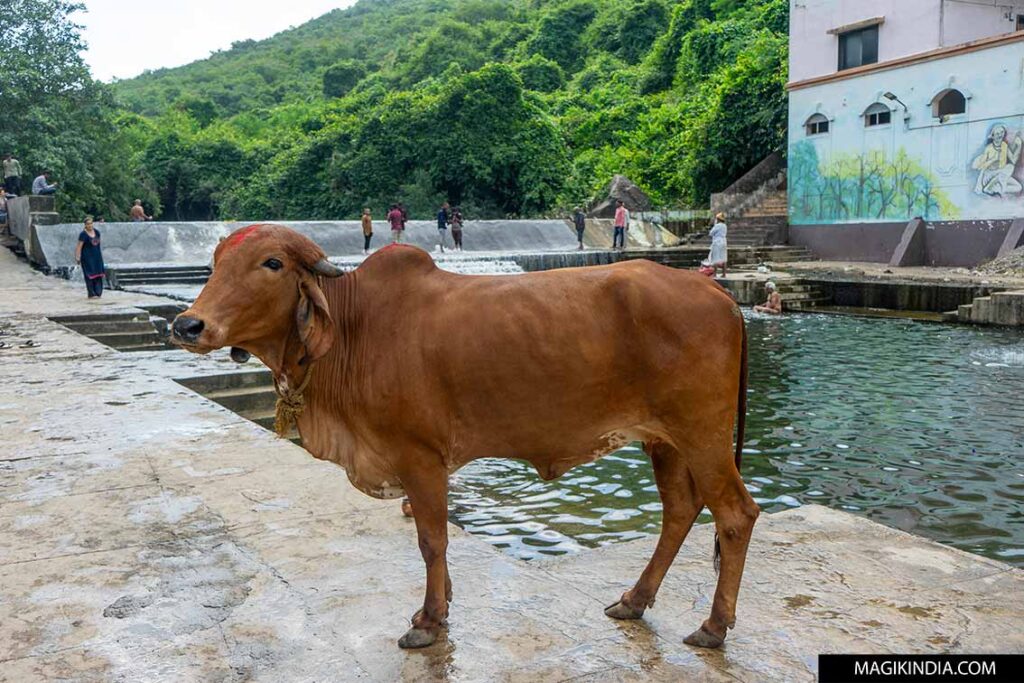
The pilgrimage sets out from the sacred waters of Damodar Kund. To spare oneself the crushing midday heat, the ideal approach is to set off as early as 5 a.m., when the air is still cool.
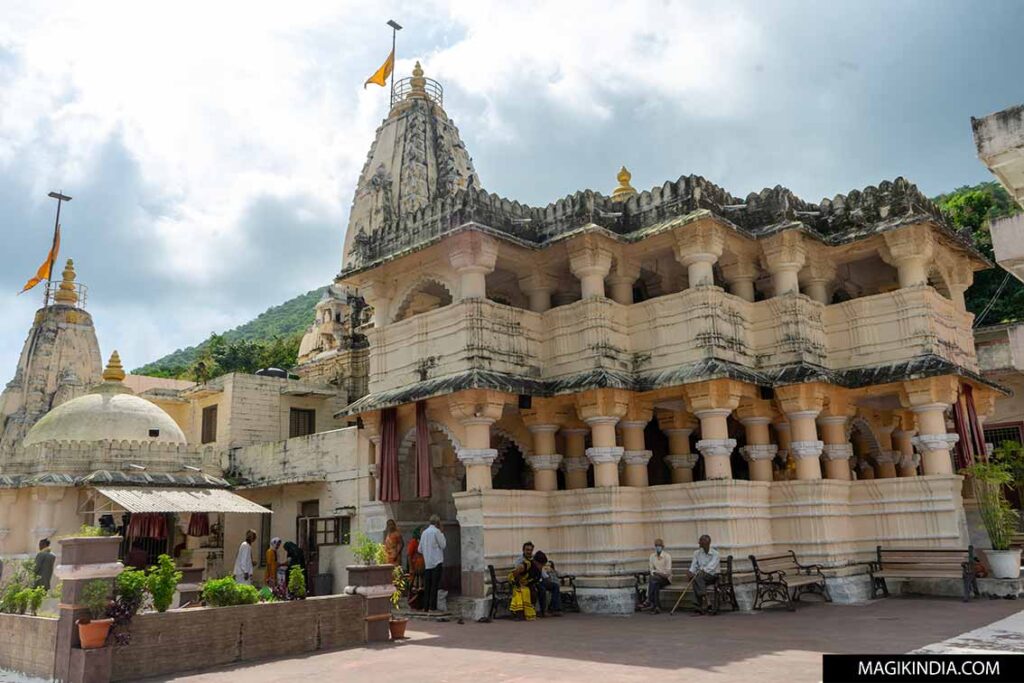
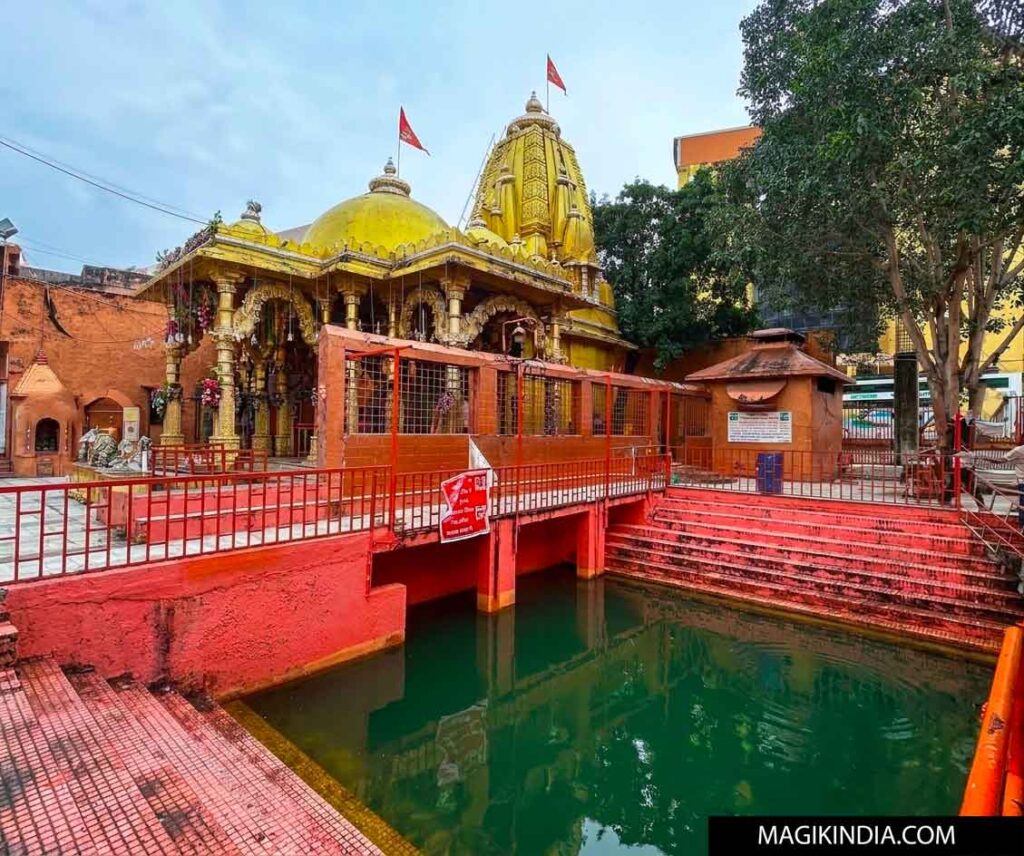
The first steps of the journey lead to the famous Bhavnath Temple, a renowned site of devotion dedicated to Shiva. It is here that the Mahashivaratri celebrations take place (see below). It’s an inspiring stopover that sets the tone for the physical and human adventure that lies ahead.
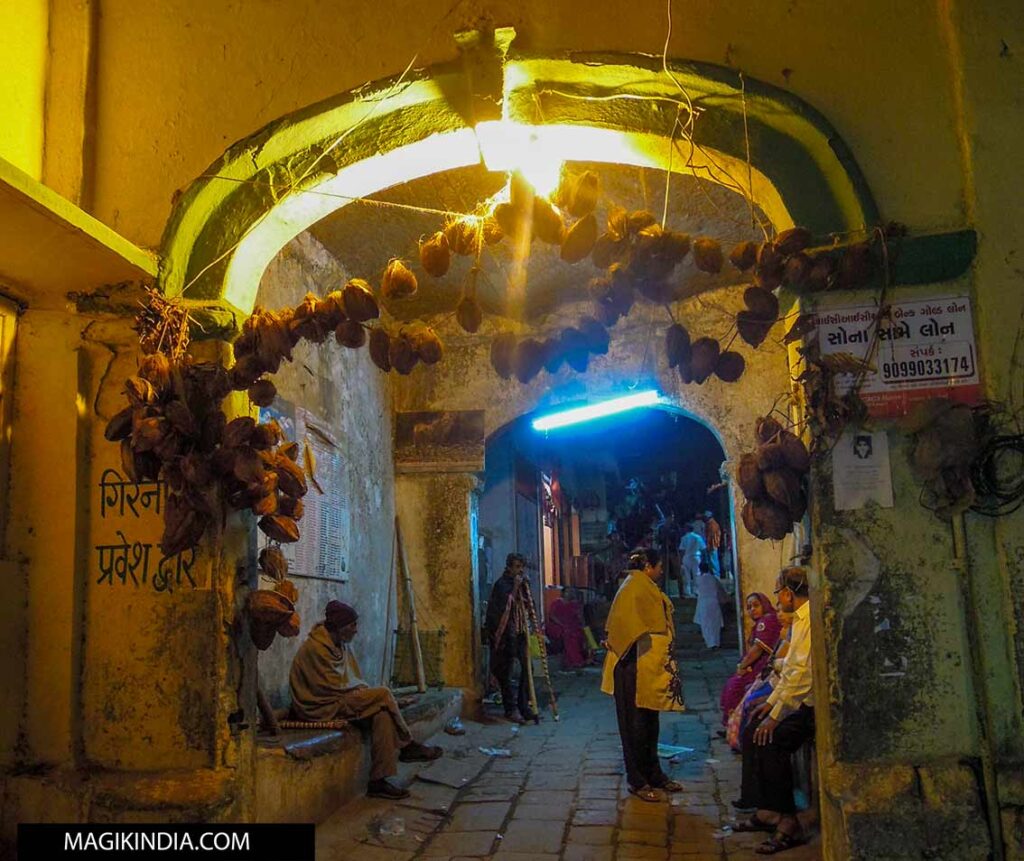
The adventure truly begins beneath a stone archway, beyond which the last small shrines of the valley fade from view. At first, we make our way by the flickering light of flashlights. Slowly, day breaks, revealing the wild, undulating silhouettes of the surrounding ridges. And we climb tirelessly. 1,000, 2,000, 3,000, 4,000 steps… Each milestone reached is a small victory.
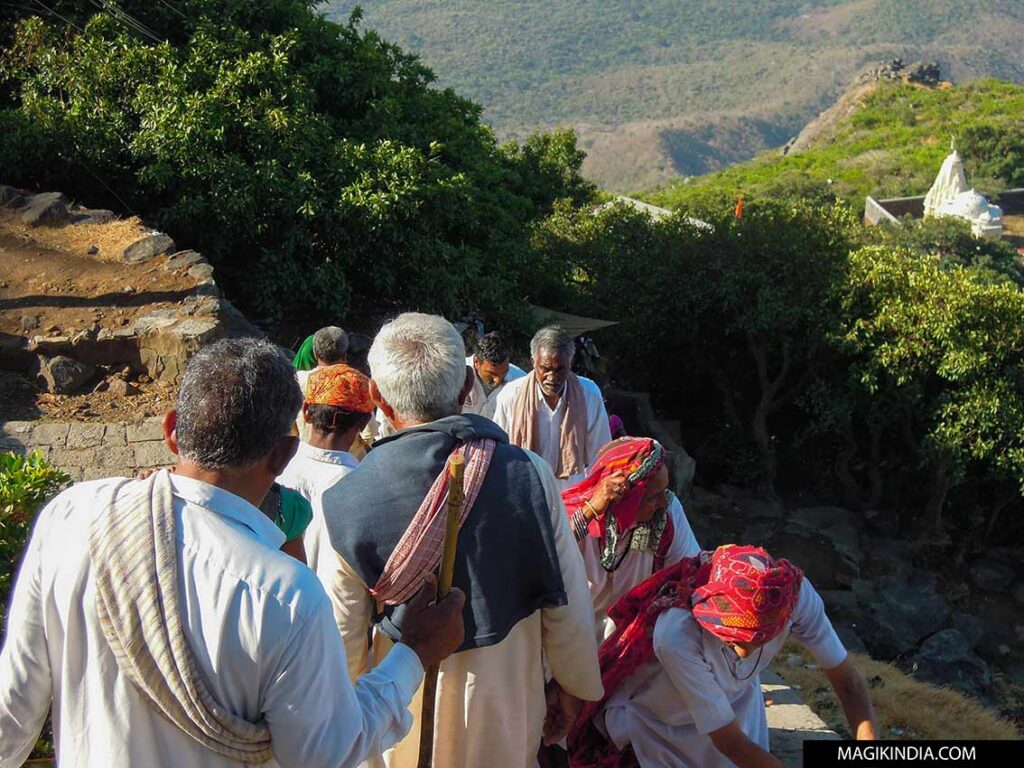
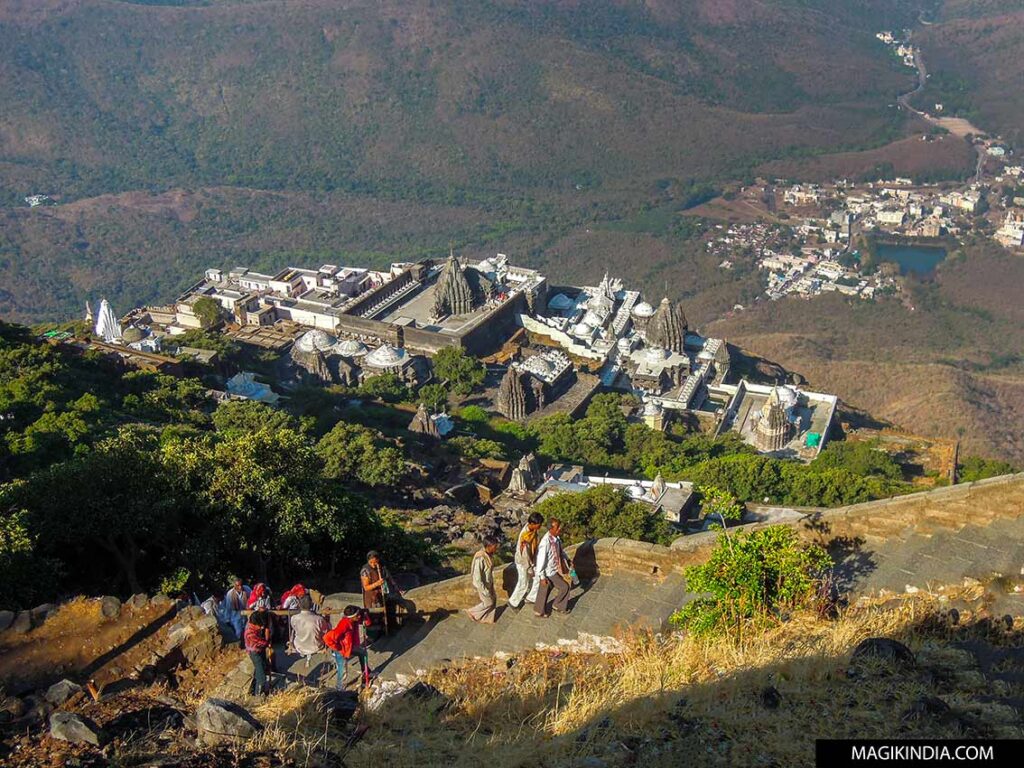
At the 4,000th step, the effort is rewarded by the appearance of a high plateau housing a complex of Jain temples, built between the 12th and 16th centuries. Among these stone jewels, the Neminath Temple (12th century) is by far the most illustrious. Legend has it that Neminath, the 22nd Tirthankara (an enlightened spiritual master of Jainism), attained moksha (ultimate liberation) here after seven centuries of deep meditation.
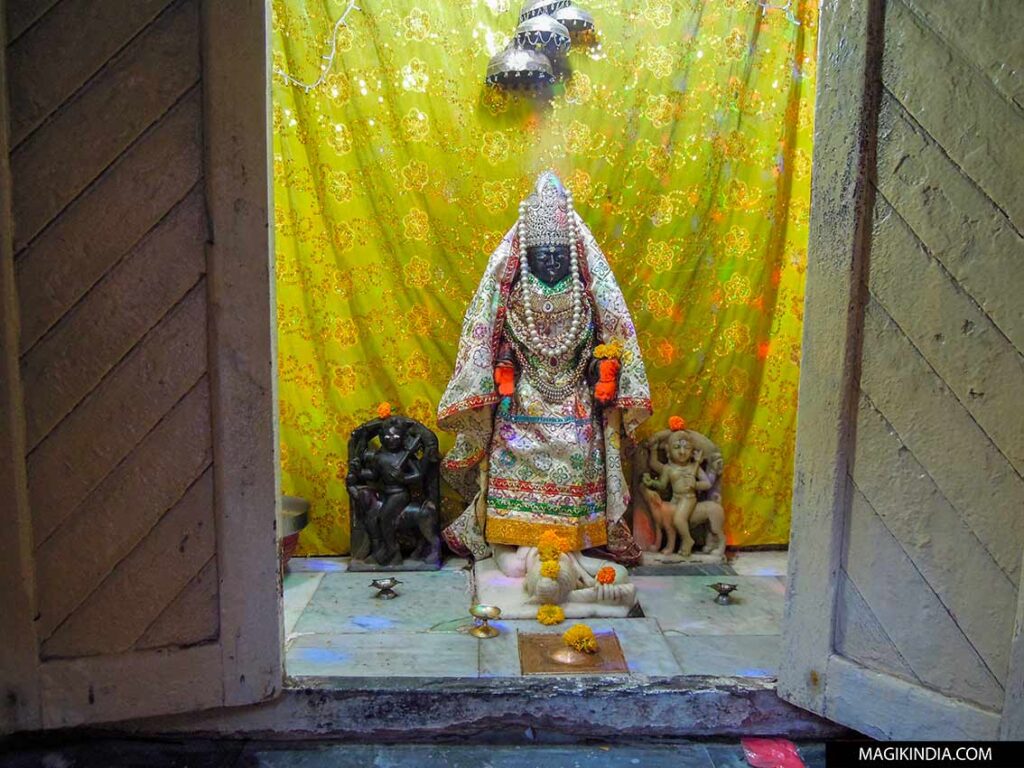
Upon reaching the 6,000th step, the Hindu temple of Amba Mata finally comes into view. This highly revered sanctuary is unique in that it draws together devotees from both the Hindu and Jain faiths. It is also an essential pilgrimage site for newlyweds, who do not hesitate to undertake this arduous ascent to have their brand-new union blessed.
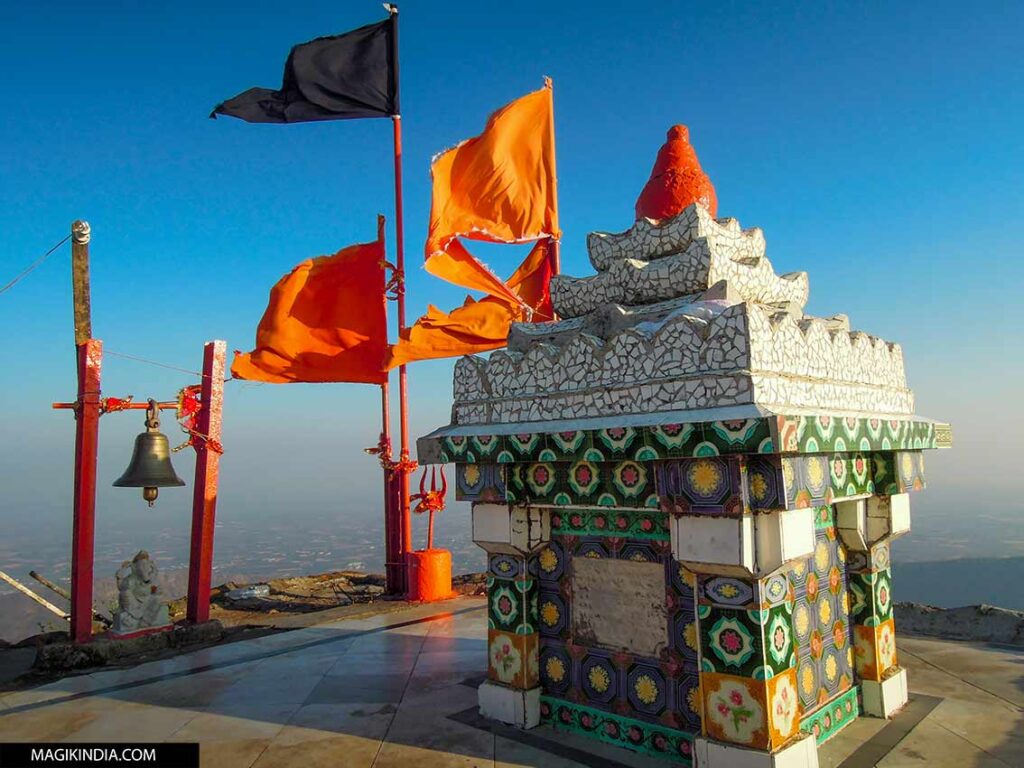
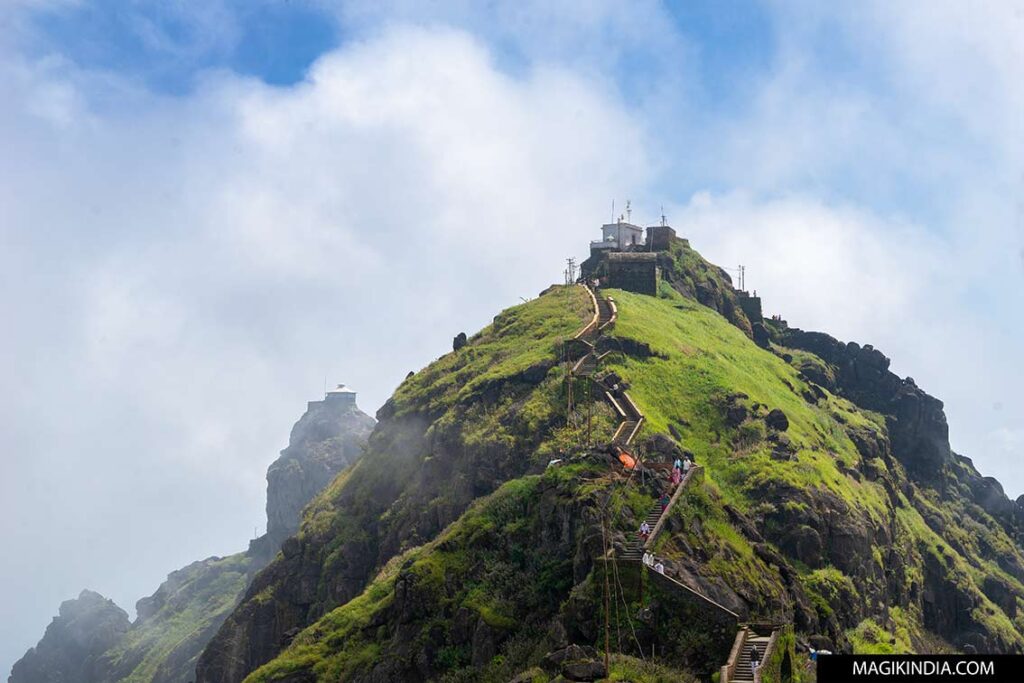
One must brave another 2,000 steps to conquer the massif’s highest point: the summit of Gorakhnath. At this altitude, the physical challenge is coupled with a profound sense of mysticism. Local tradition holds that the rock retains the memory of the great ascetic’s passage, and pilgrims flock there to venerate the sacred footprints of Gorakhnathji, etched into the stone.
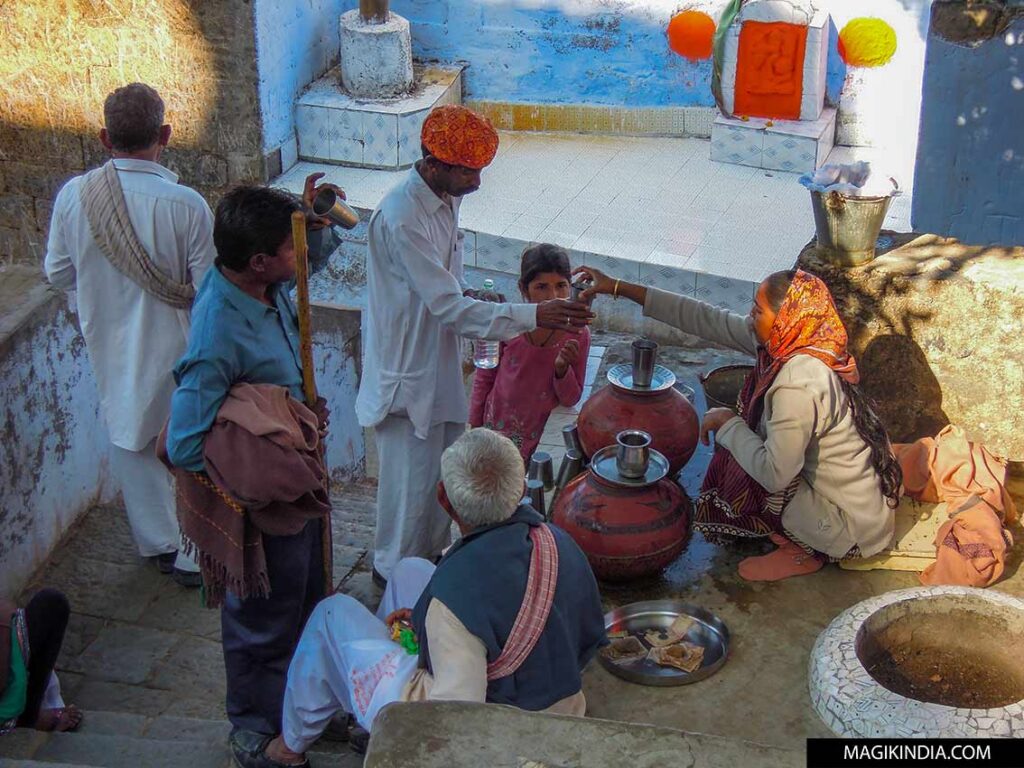
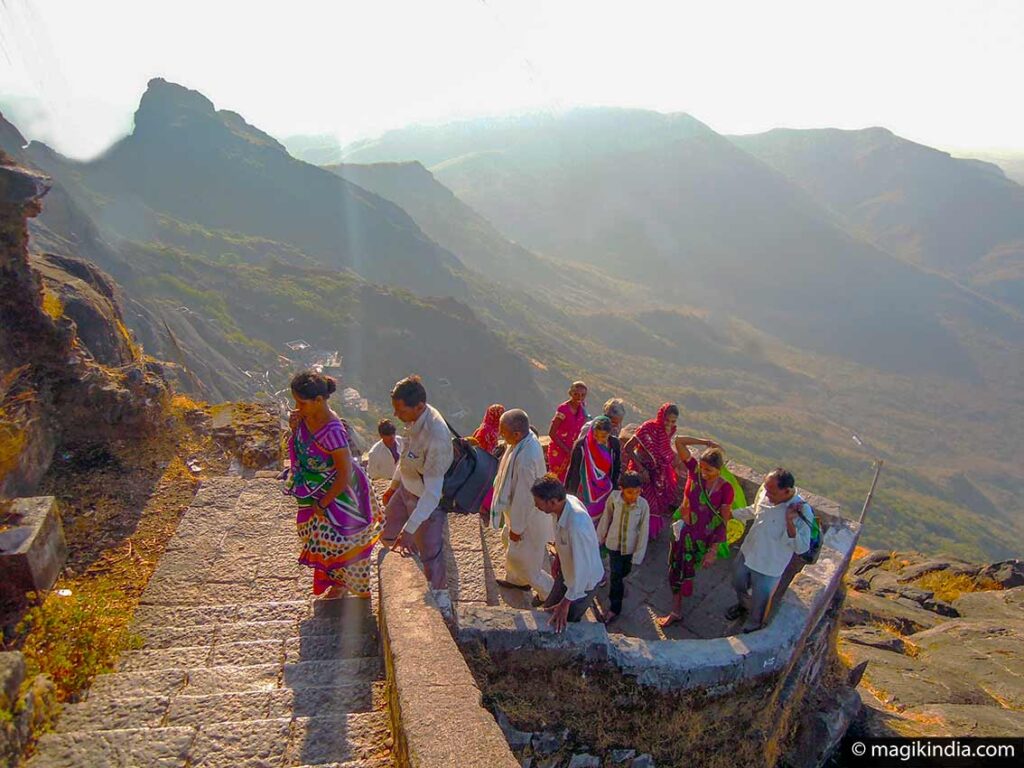
Faced with this breathtaking panorama, time stands still for a moment of well-deserved rest. It is then that the mind takes over from the body, for the final stretch proves particularly grueling for our legs: a descent of 1,000 steps, followed immediately by the most formidable section : the final 999 steps to climb. After a total of three hours of intense exertion, the ultimate sanctuary rises before you. The adventure is complete.
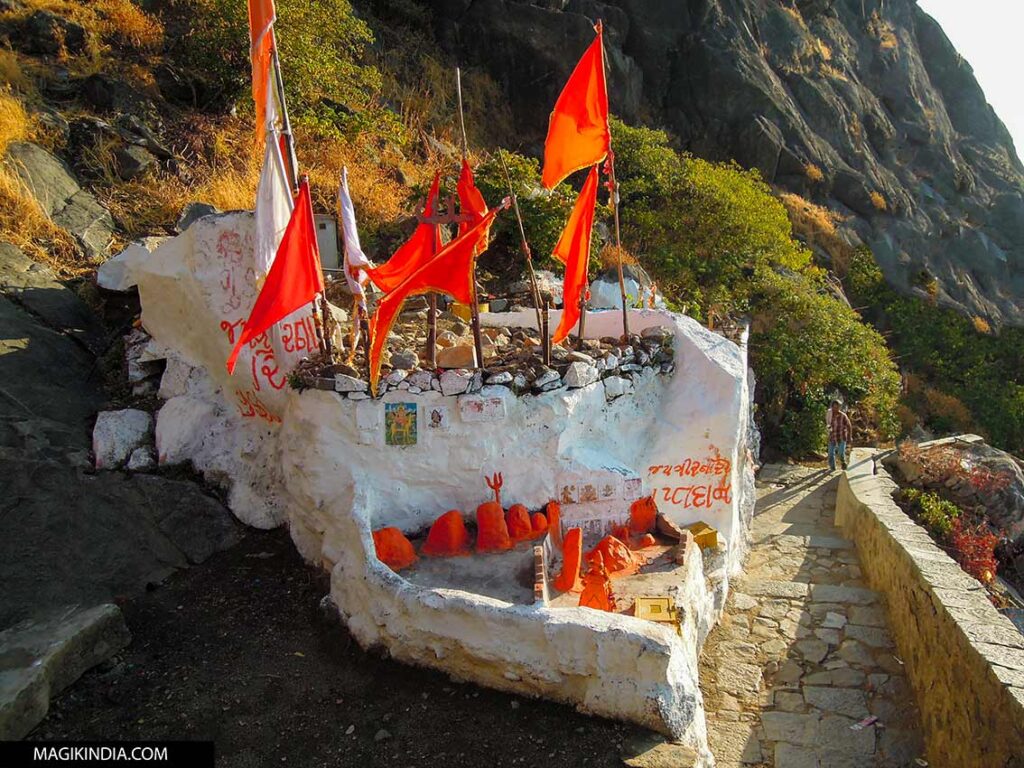
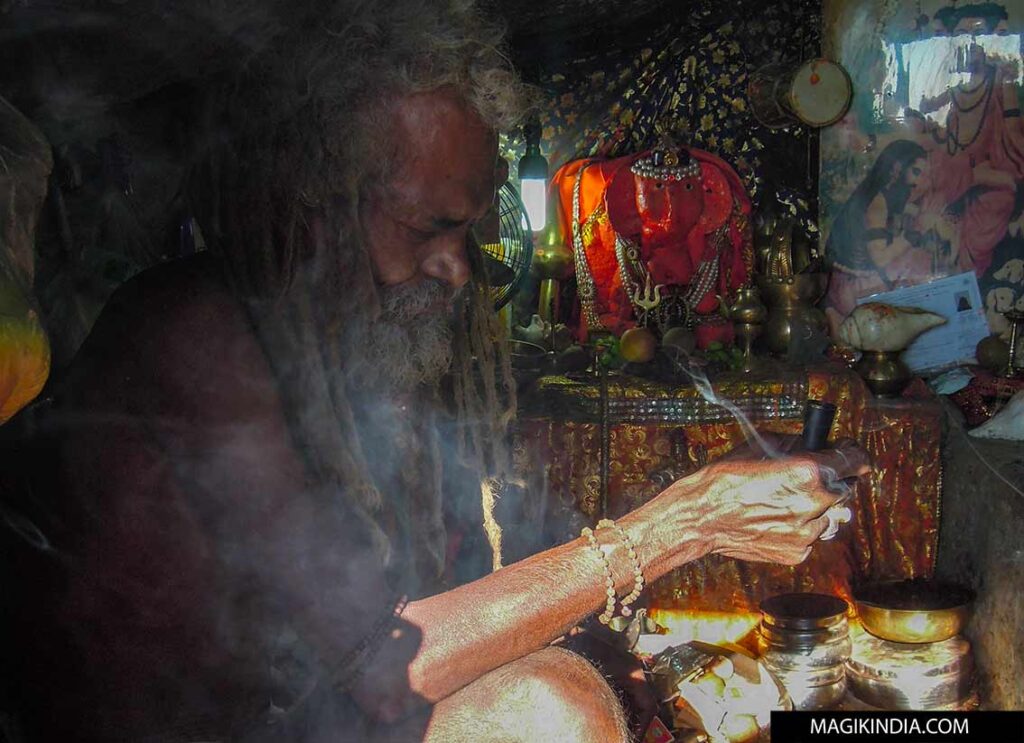
It is upon the rocky pinnacle of Dattatreya Peak that this vertical journey reaches its end. In the dim light of this humble high-altitude temple, pilgrims gather in contemplation before the padukas of Dattatreya. This unique deity embodies within his very being the full majesty of the Trimurti, uniting in a single breath the cosmic gods Brahma, Vishnu, and Shiva. Suspended above the clouds, the site breathes an air of millennial fervour.
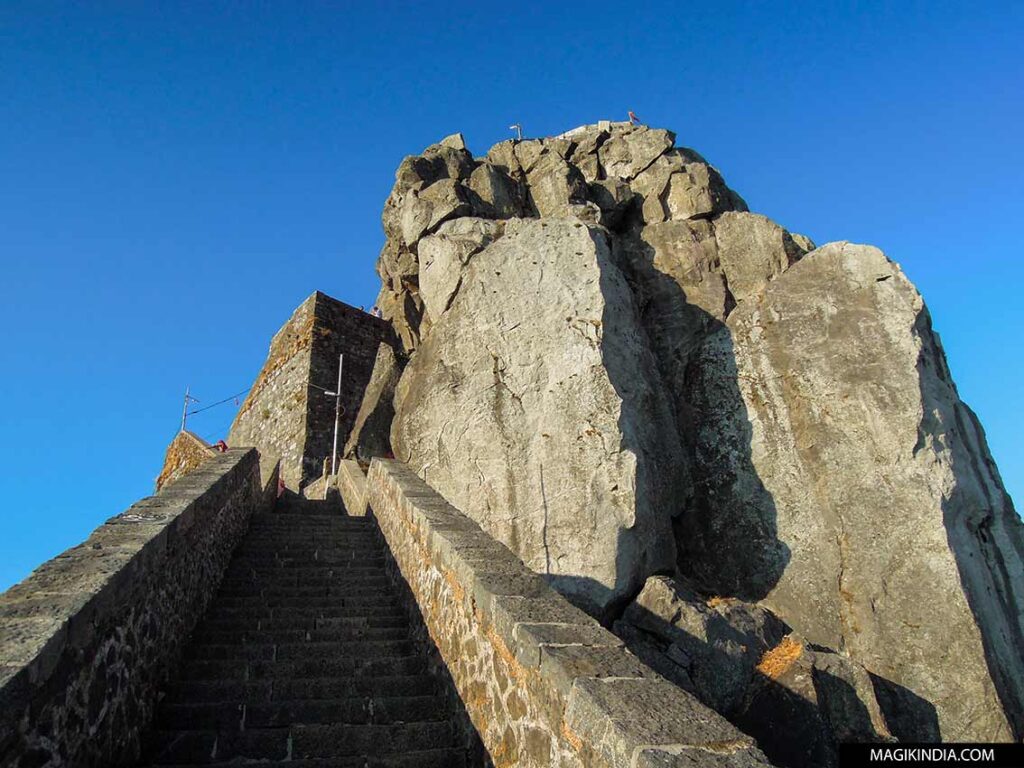
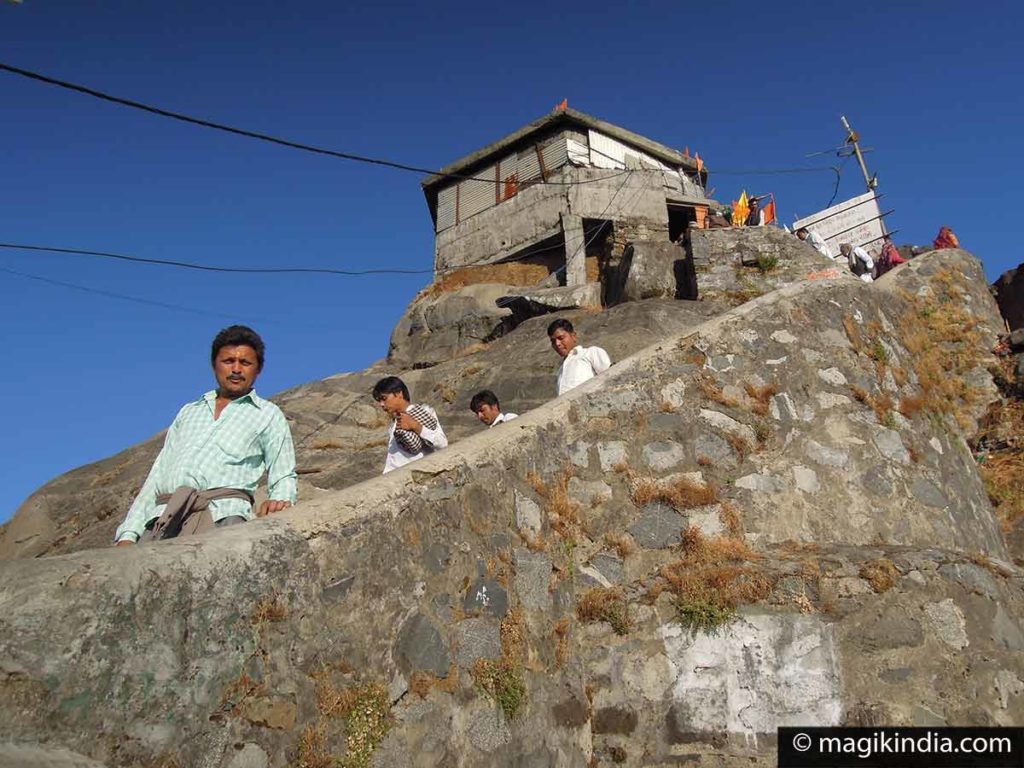
A quick darshan (sacred sighting) in the heart of the temple, and the journey is already continuing in the opposite direction. While the descent proves faster, one’s legs begin to tremble seriously from the exertion.
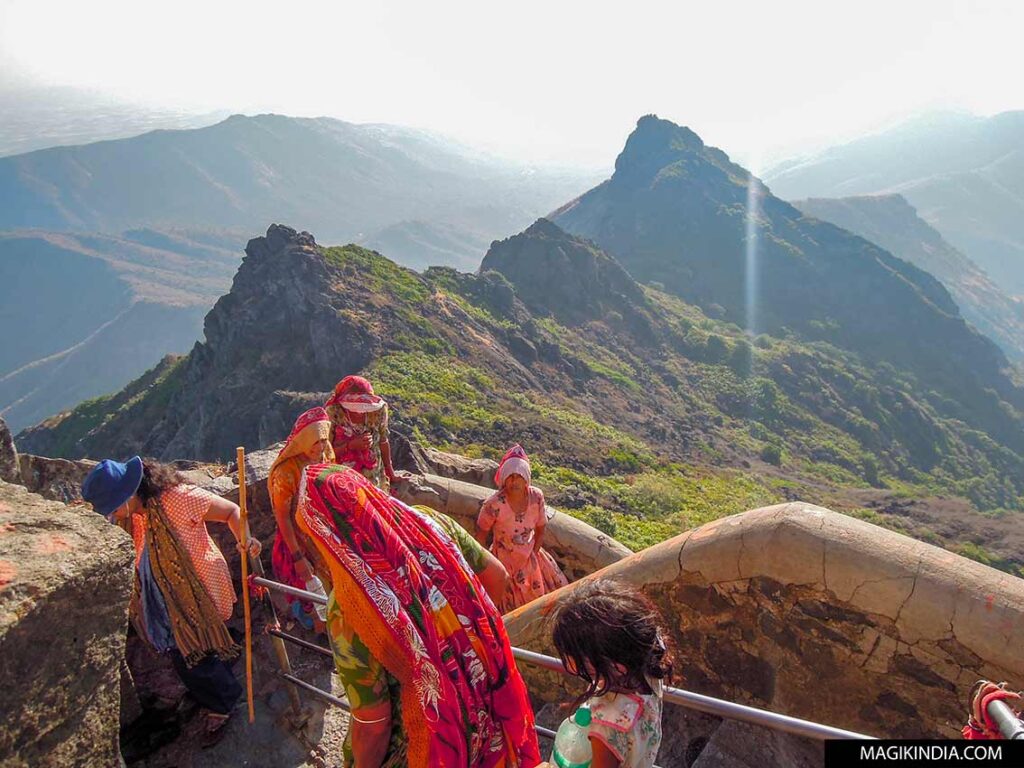
[ REGARDEZ ! Mon pèlerinage au Mont Girnar ]
Mahashivaratri Bhavnath Mela
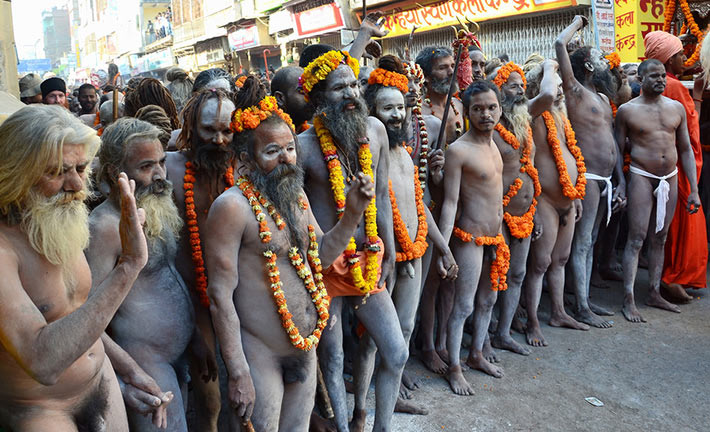
Every year, between February and March, during the moonless night of the month of Magha, the Bhavnath Temple lights up for Mahashivaratri, the Great Night dedicated to the god Shiva. No fewer than a million pilgrims then converge upon this spot on Earth.

One of the most awe-inspiring mystical events in India, it sees hundreds of Naga Sadhus (the naked ascetics) descend from the heights of the Himalayas to converge upon the sanctuary. For five days, a magnificent fair takes shape at the foot of the mountain, set to the rhythm of chants performed by seasoned musicians who take turns, day and night, to make the valley resonate.
Yet the true apotheosis of the fair remains the procession of the Naga Bawas, which sets forth in the dead of night at the stroke of midnight, precisely. Amidst an electric atmosphere, hundreds of naked ascetics and sadhvis (female renunciants) unite in this mystical procession. The festivities reach their climax during the sacred ritual bath in the waters of the Mrigi Kund, the pool of the Bhavnath Temple. Purified by the holy water, the devotees finally gather for the Maha Puja, the grand final ceremony, celebrated with fervour around the sanctuary’s Shiva-lingam.
Lili Parikrama
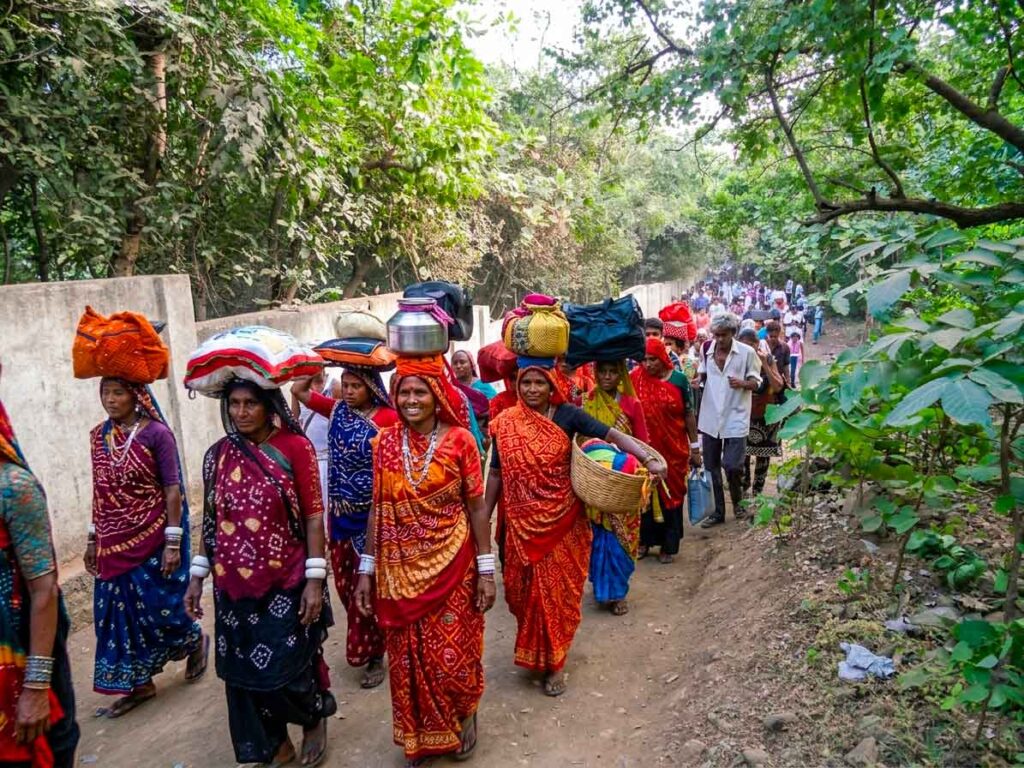
Borrowed from Sanskrit, the word Pradakshina (or Parikrama) denotes the sacred act of circumambulation. It is this age-old rite that pilgrims observe when undertaking the circuit of Mount Girnar; a 36-kilometer walking journey of immense sanctity. Setting out from the Rupayatan Gate, the route winds its way through the natural landscape and various way-station villages. It takes approximately three days of walking to reach the finish line, located at the venerable Bhavnath Temple.
Practical Information
Getting There and Accommodation
How to get there? By train: Junagadh station is well-connected to Ahmedabad, Rajkot, and Mumbai. By plane: The nearest airport is Rajkot (approximately 100 km away) or Hirasar.
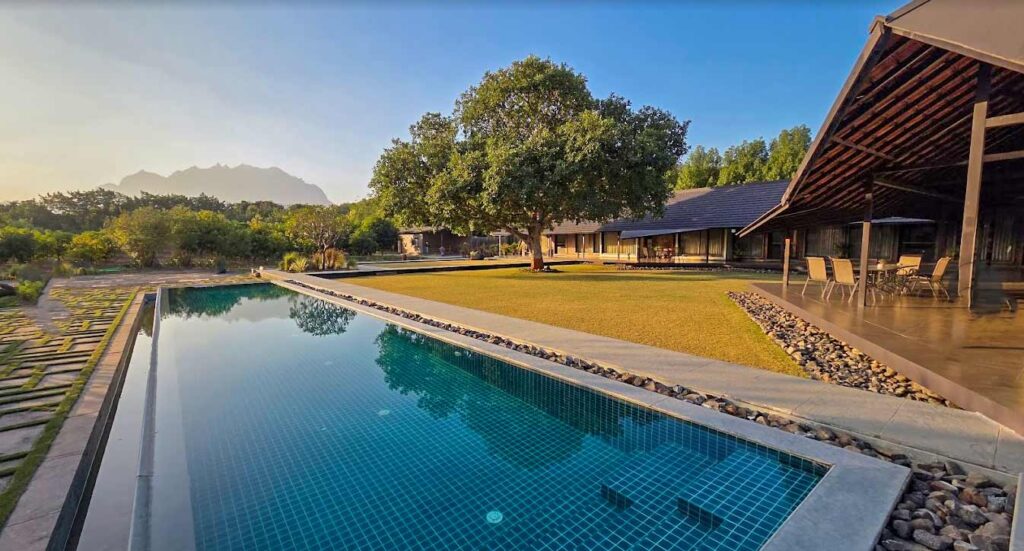
Where to stay? There are many hotels in Junagadh; however, for pilgrims and hikers, Dharamshalas (community-run or religious guesthouses) and hotels located directly at Bhavnath Taleti (at the foot of the mountain) are ideal for starting the ascent very early though most are rustic.
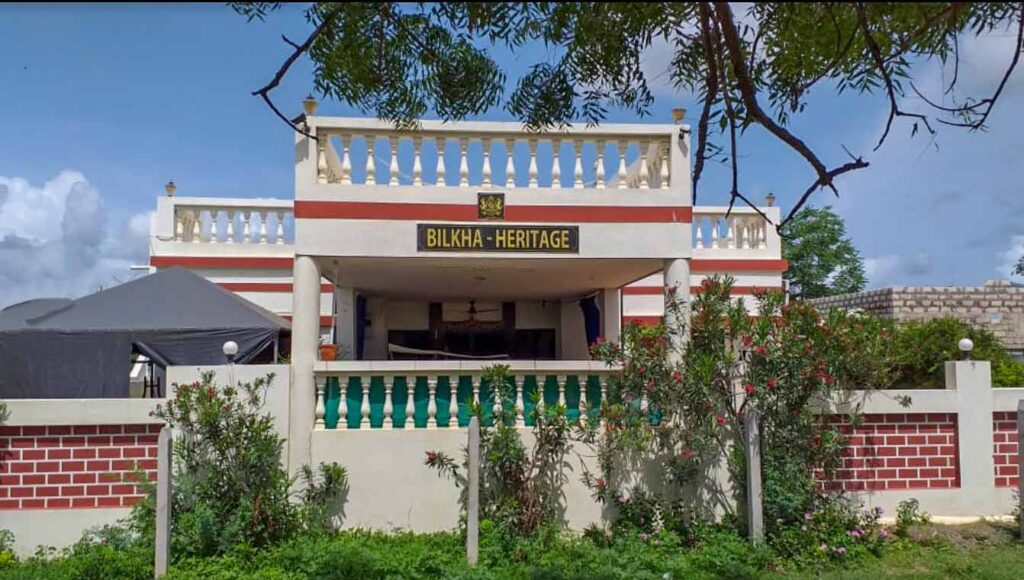
The guesthouse Bilkha Heritage is the ideal choice near Girnar: a warm, family-style welcome and the absolute tranquility of the countryside : the perfect place to recharge away from the crowds after the strenuous effort of the climb.
Alternatively, for added comfort, you can stay at the Junagadh Bellevue Sarovar or at a luxury resort near Girnar, the deck forest retreat
On foot or by cable car?
Hiking Option
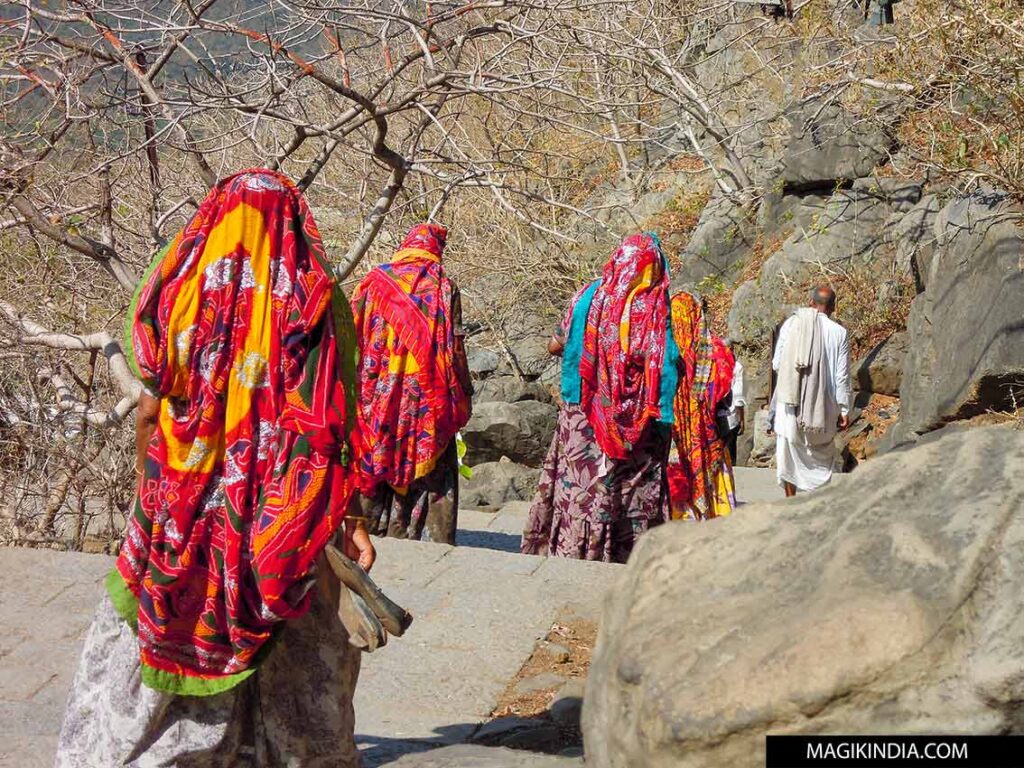
Mount Girnar features a total of 9,999 steps leading up to its highest peak. While the cable car offers comfort, hiking opens the door to a unique human dimension found nowhere else. Walking amidst the crowd also means allowing oneself to be carried along by the group’s energy. Rhythmic devotional chants, bursts of laughter, and shared exclamations such as “Jai Girnari!” or “Har Har Mahadev!” create a collective trance. Individual effort dissolves into a journey choreographed by faith and culture.
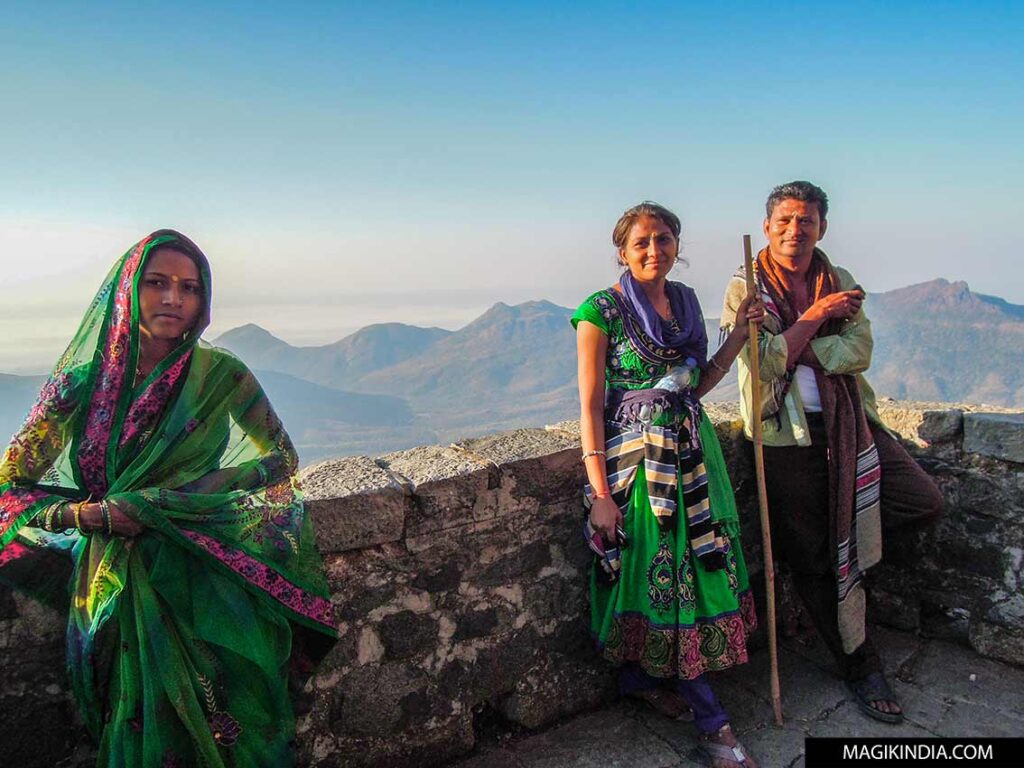
- Difficulty: High. Excellent physical fitness is required.
- Duration: Allow 6 to 8 hours for the round trip at a brisk pace (3–4 hours for the ascent, 3 hours for the descent).
- Ideal Timing: Begin the ascent around 4 or 5 a.m. This allows you to climb in the cool morning air, avoid the scorching midday sun, and admire the sunrise from the heights.
Cable Car Option (Girnar Ropeway)
One of the longest in Asia, the Mount Girnar cable car offers a highly secure alternative for braving the elements (featuring an automatic shutdown system in the event of strong winds). During the monsoon season, the journey becomes truly magical: safely sheltered, you soar above a spectacular panorama of lush green mountains and peaks shrouded in mist.
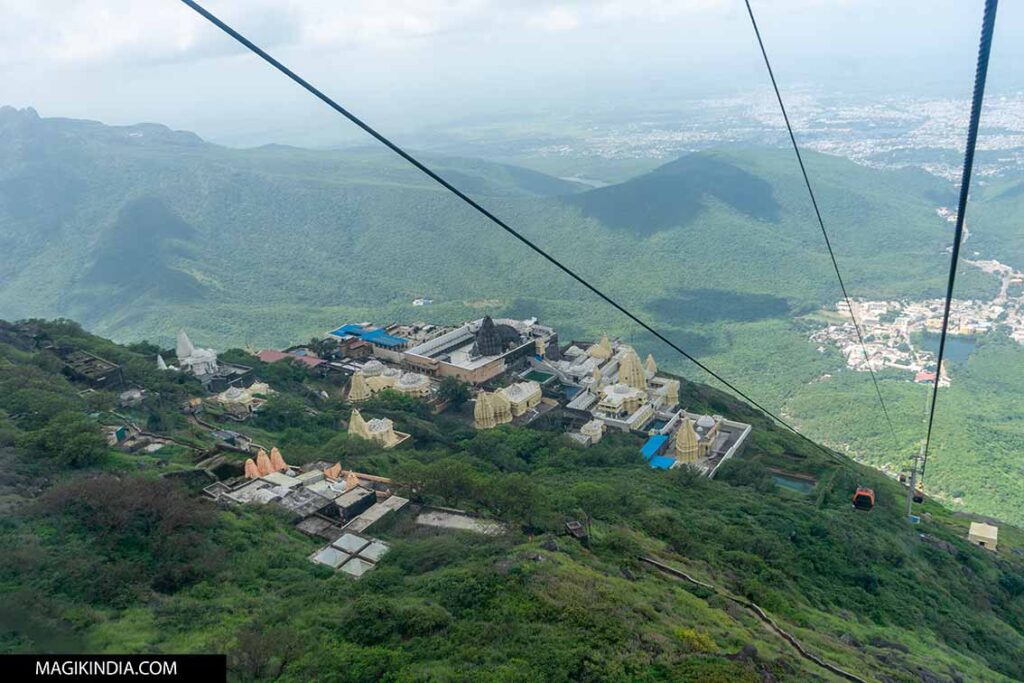
- Route: It takes you from the base (Bhavnath) up past the Jain temples in less than 10 minutes (saving you the equivalent of 5,000 steps).
- Hours: Generally open from 8:00 a.m. to 5:00 p.m. (Note: it may close in the event of very strong winds).
- Important: The cable car does not drop you off at the very summit. To reach the Dattatreya Peak, you will still have to climb and descend approximately 3,000 steps on foot from the arrival station.
When to go?
- Best time to visit: November to February (the cool season). The climate is dry, and temperatures are perfect for walking.
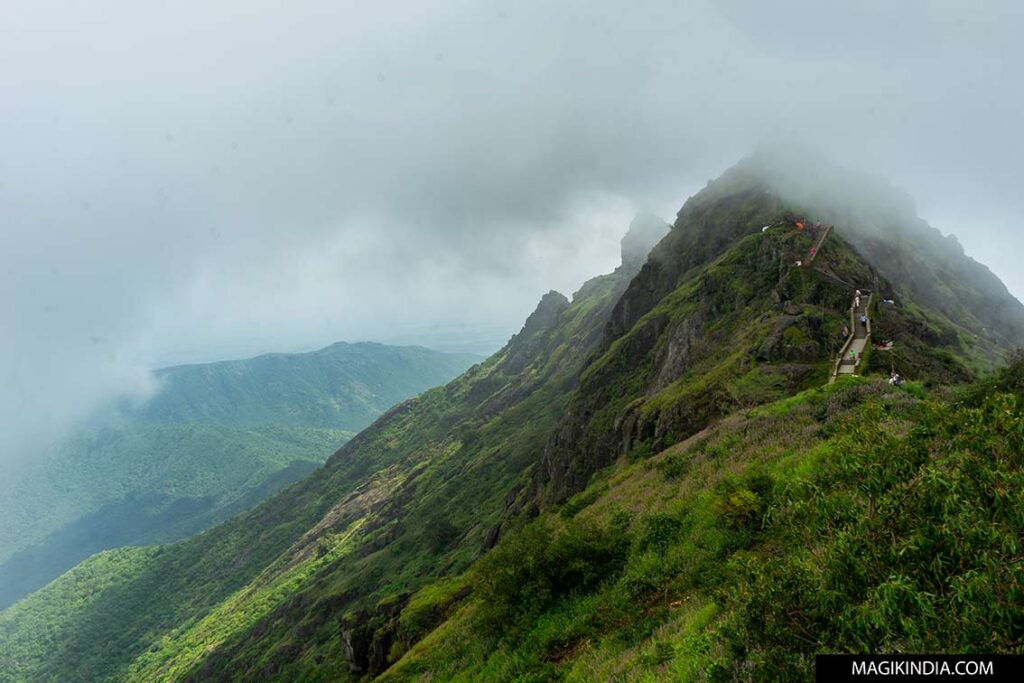
- The monsoon season (June to September) is ideal if you plan to access the site solely via cable car; the landscapes are magnificent! However, avoid the long hike, as the steps become extremely slippery.
- In February/March for the Mahashivaratri festival (the Bhavnath Fair, featuring the Naga Sadhus).
- In November (just after Diwali) for the Lili Parikrama (the great 36 km sacred pilgrimage walk around the mountain).
Please note: during these two events, the site is extremely crowded (hundreds of thousands of people), and hotels are fully booked. Make your reservations several months in advance!
VISIT GUJARAT WITH MY TRAVEL AGENCY!Vous aimerez peut-être aussi...
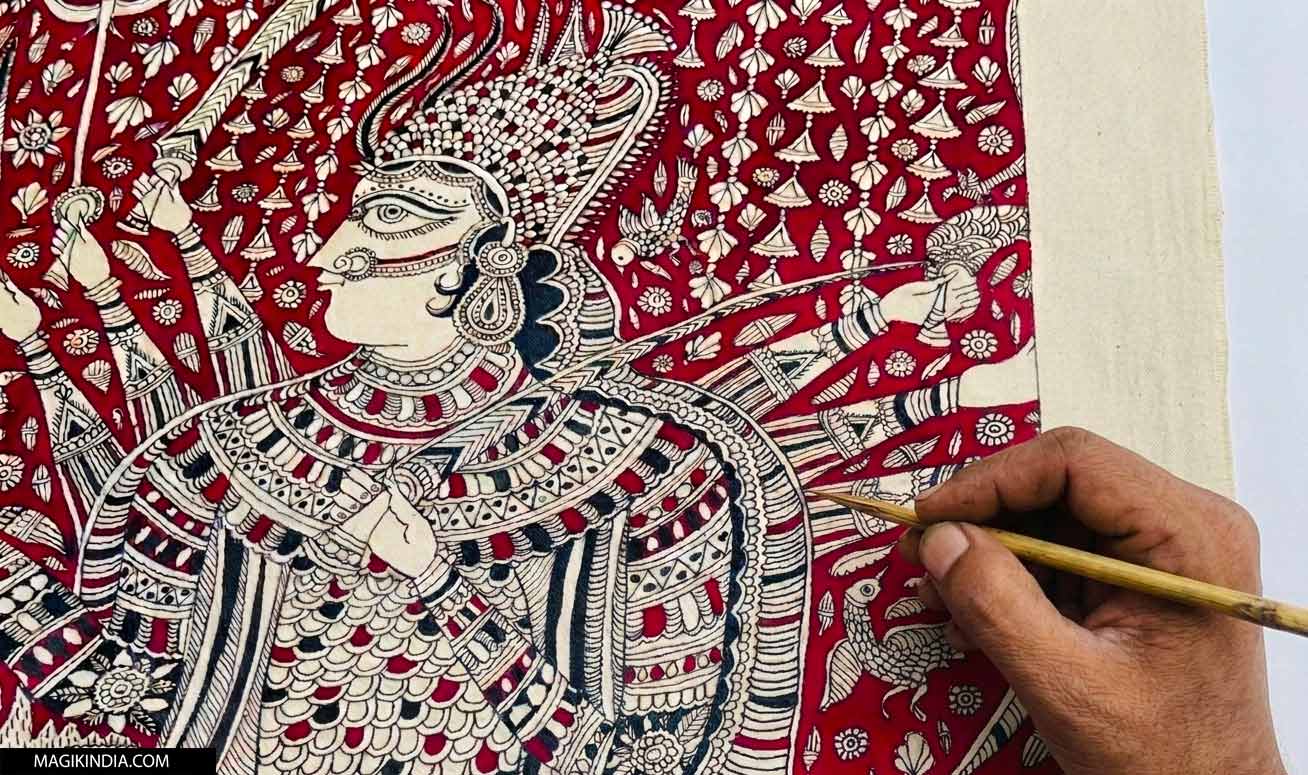
The Mata ni Pachedi, literally “the goddess in the background,” is the triumph of fervour over exclusion. Invented by the Vaghari...
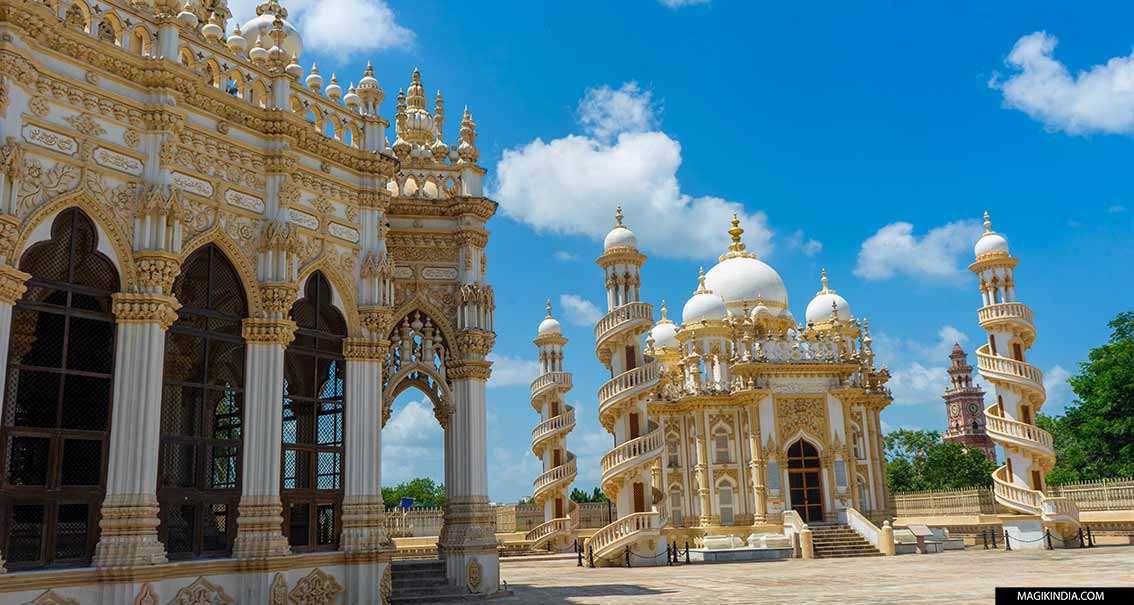
It was while finishing my story about Mount Girnar that something became obvious: I had forgotten to write about Junagadh,...

Imagine a kitchen utensil capable of rivaling Teflon, yet born of the earth, long before the industrial era. Deep within...

In the rural plains of Chhattisgarh, in central India, lives a community whose physical appearance tells a story of defiance,...
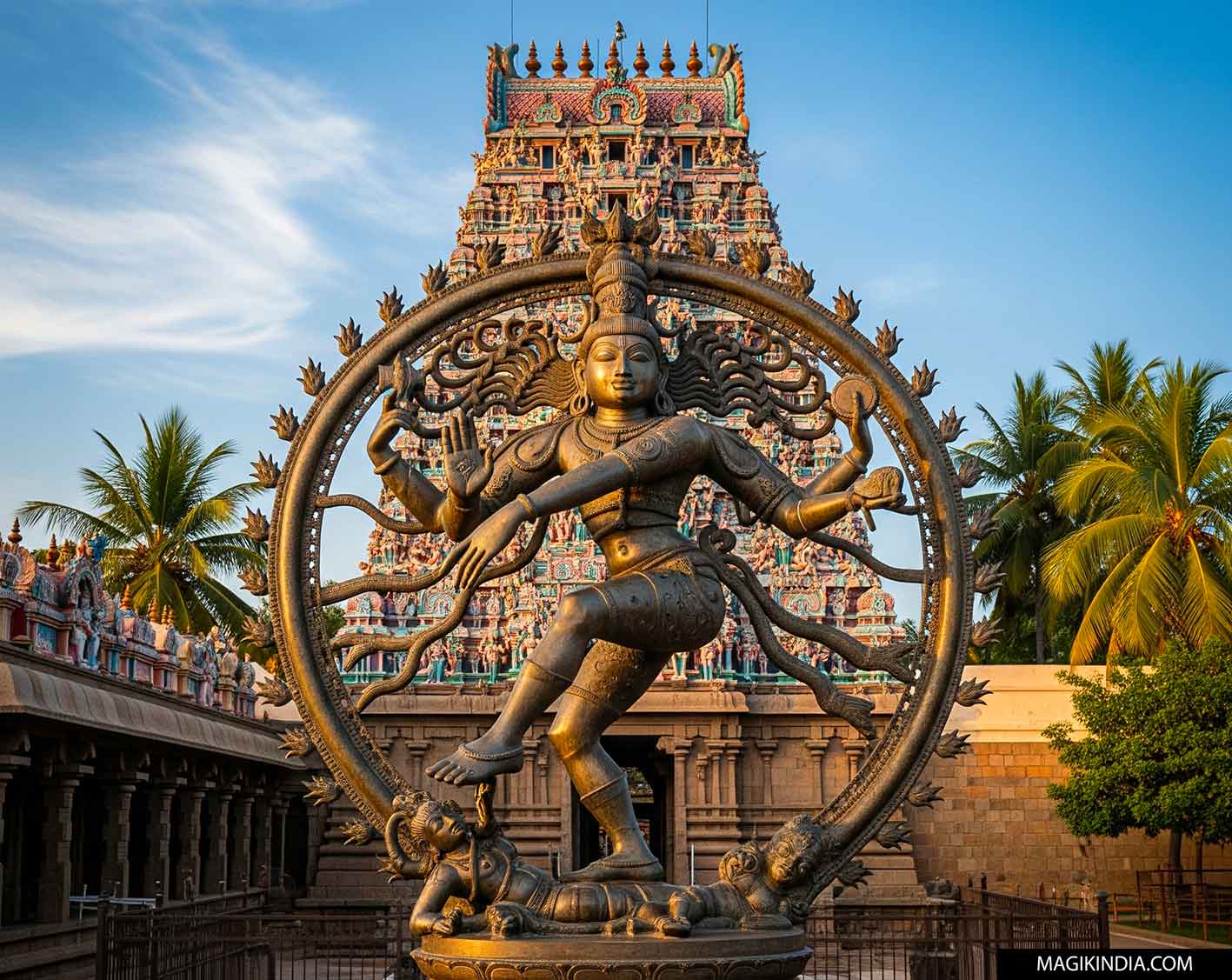
On the road between Pondicherry and Thanjavur, in Tamil Nadu, stands the Chidambaram Temple, a place where sacredness takes an...


Corrected! Yes indeed it’s much accurate that way 🙂 Thanks for your concern. Mathini
Deeply regret to correct you, please use word “attained Moksh” for Jain Tirthankar.