
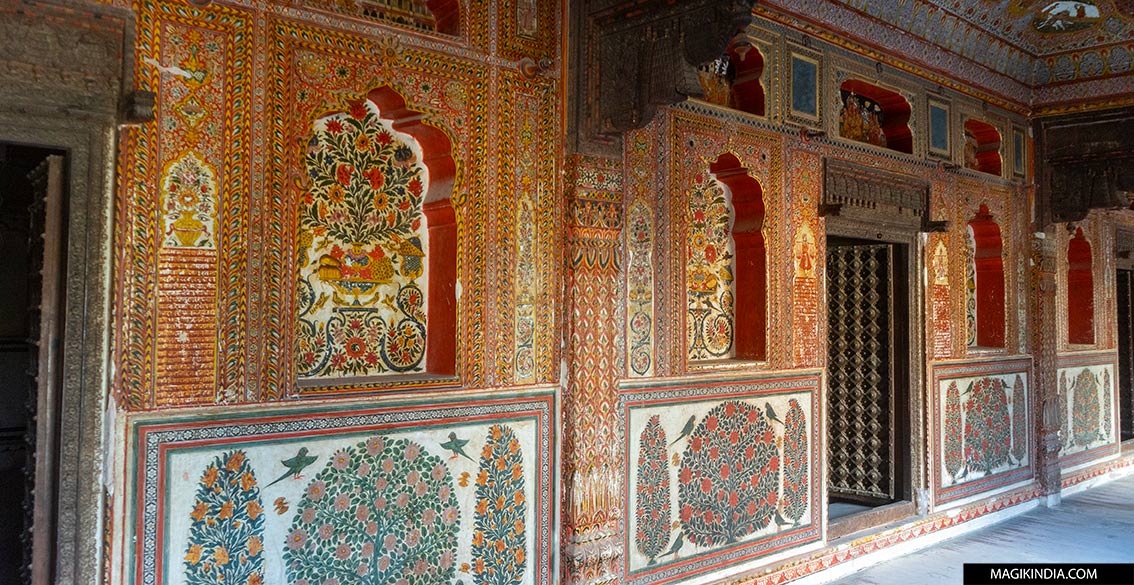
Far from the bustle of more well-known towns like Mandawa or Nawalgarh, the village of Mahansar offers a peaceful respite....

Shahpura, the understated grace of timeless India
Situated in the vast expanses of Rajasthan, halfway between Udaipur and the Pink City, Shahpura cultivates the art of discretion. Foreign to the tourist crowds, the city reveals an intimate India where royal fervor, centuries-old pictorial traditions and rural people intersect. A true haven of peace, it offers total immersion in a timeless world.
A princely past
History
Founded in 1631 by Prince Sujan Singh, great-grandson of the famous Maharana Pratap and grandson of Maharana Amar Singh I of Mewar, the state of Shahpura arose from a grant by the Mughal emperor Shah Jahan, who also inspired the city’s name.
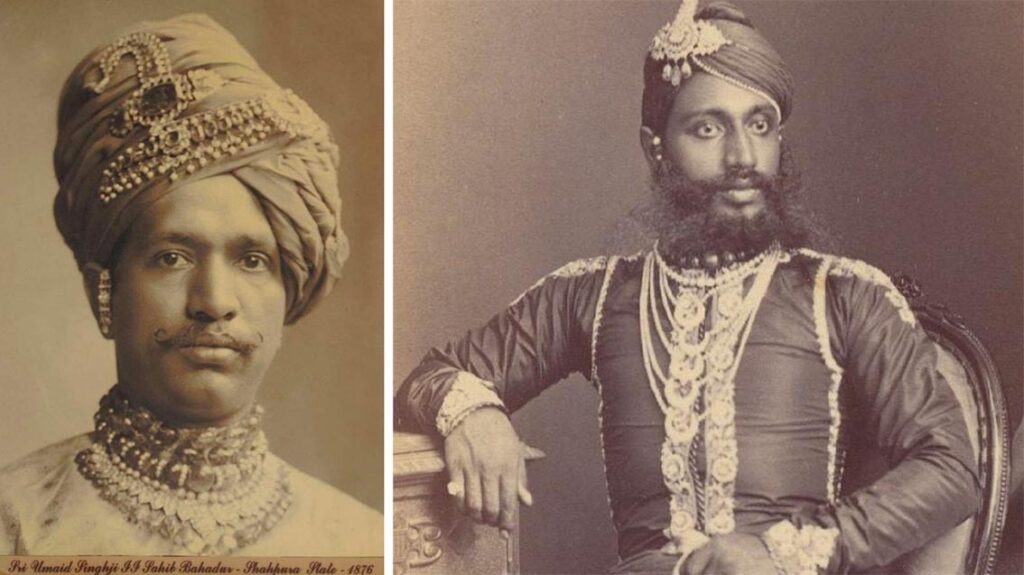
Its golden age was embodied by the progressive reign of Sir Nahar Singh (1870–1932), who modernised the administration and invested the bulk of resources in education and irrigation. The state ultimately ceased to exist in 1949 upon its integration into the Indian Union, leaving behind a significant architectural heritage that is now showcased through tourism.
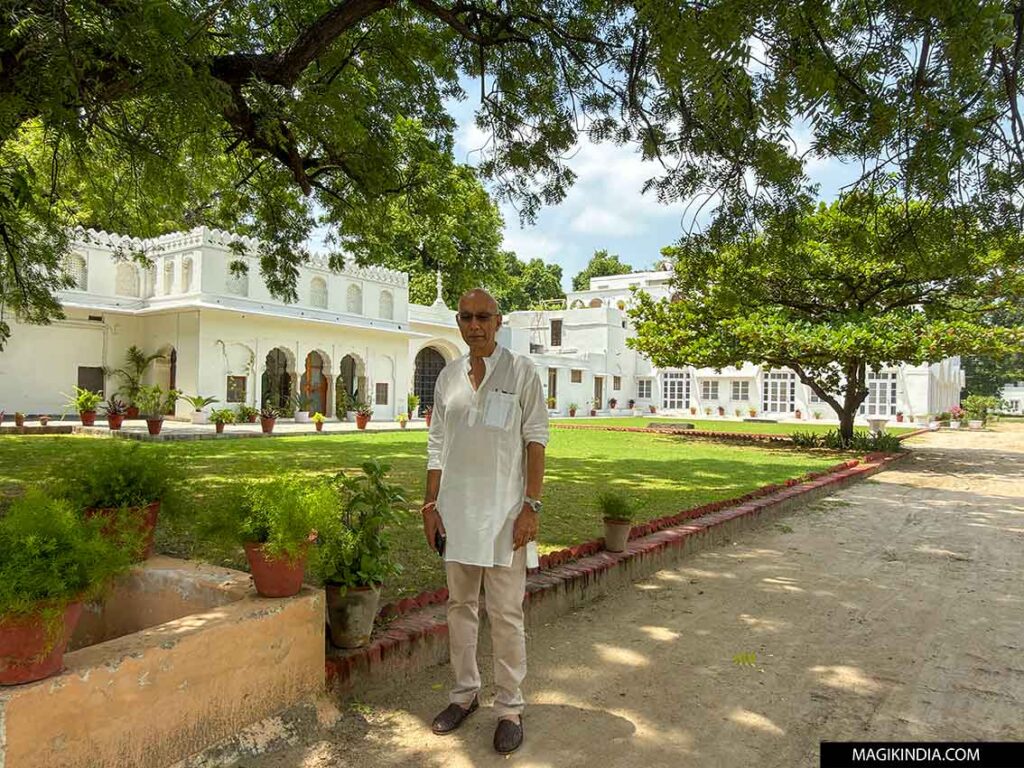
Today, the legacy of the rulers of Shahpura is carried on at Shahpura Bagh by their descendants, marking the continuation of eighteen generations of guardians. The estate is currently managed by Rajadhiraj Jai Singh, Ranisahiba Mandvi Singh, Thakur Shatrujeet Singhji, Thakurani Maya Singh and their respective children.
A city on a human scale
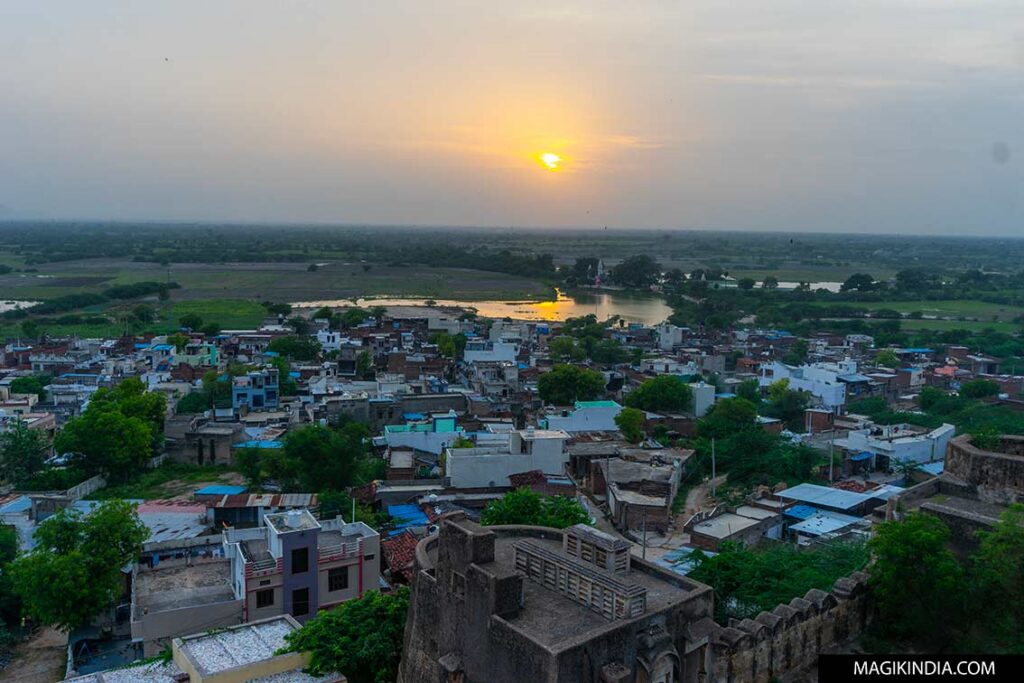
This historic city is built around an old fortified town, surrounded by walls and pierced by four gates which protect a maze of picturesque streets.
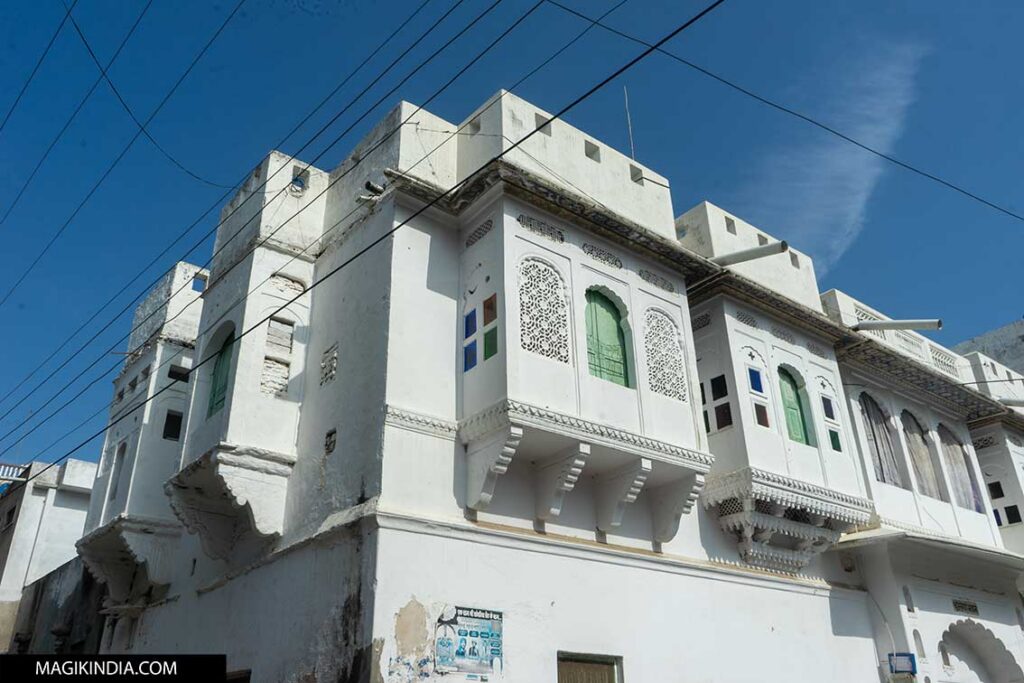
Between these ramparts, the atmosphere is reminiscent of that of Delwara, near Udaipur, with its colourful streets dotted with old traditional havelis.
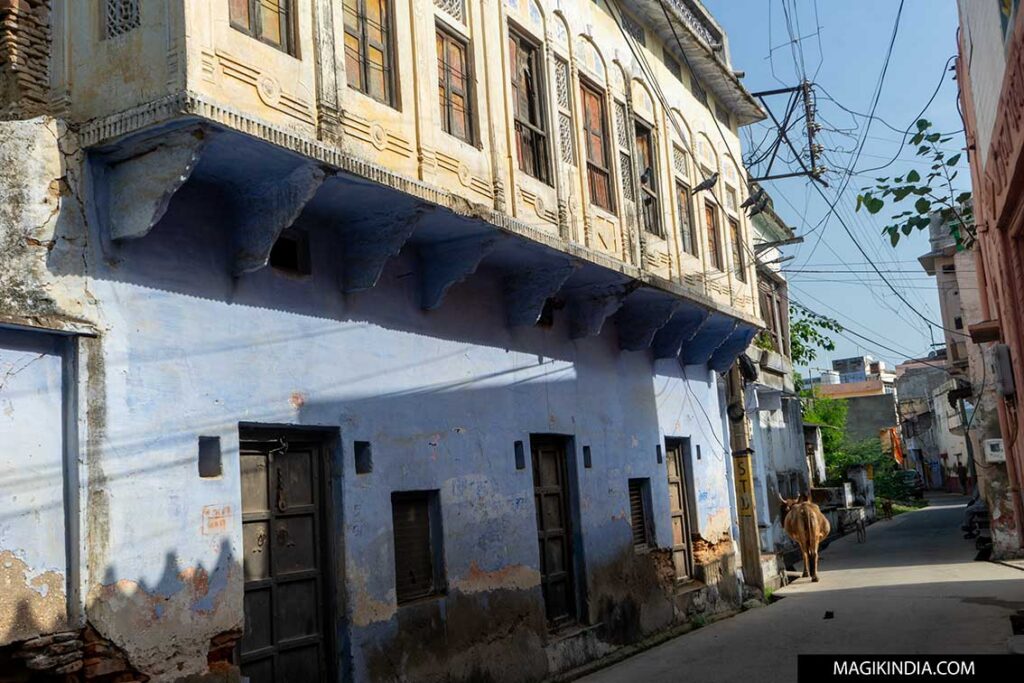
These winding roads lead to the former royal palace. Since integration into the Indian Union, part of this vast complex has been made available to the State to accommodate educational structures, public infrastructure and administrative services for the local community.
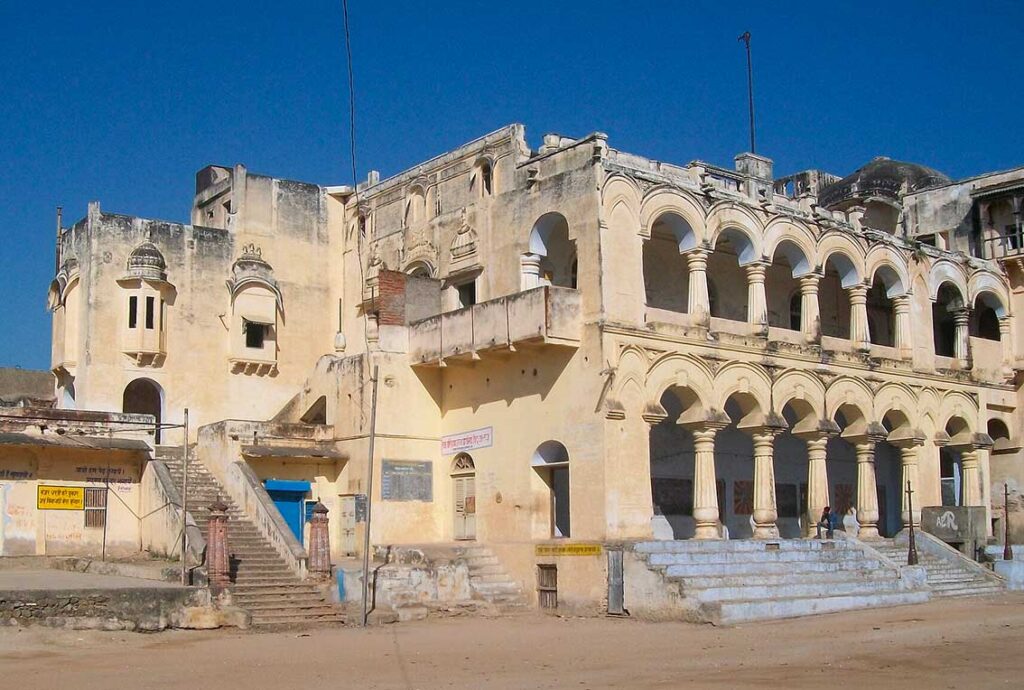
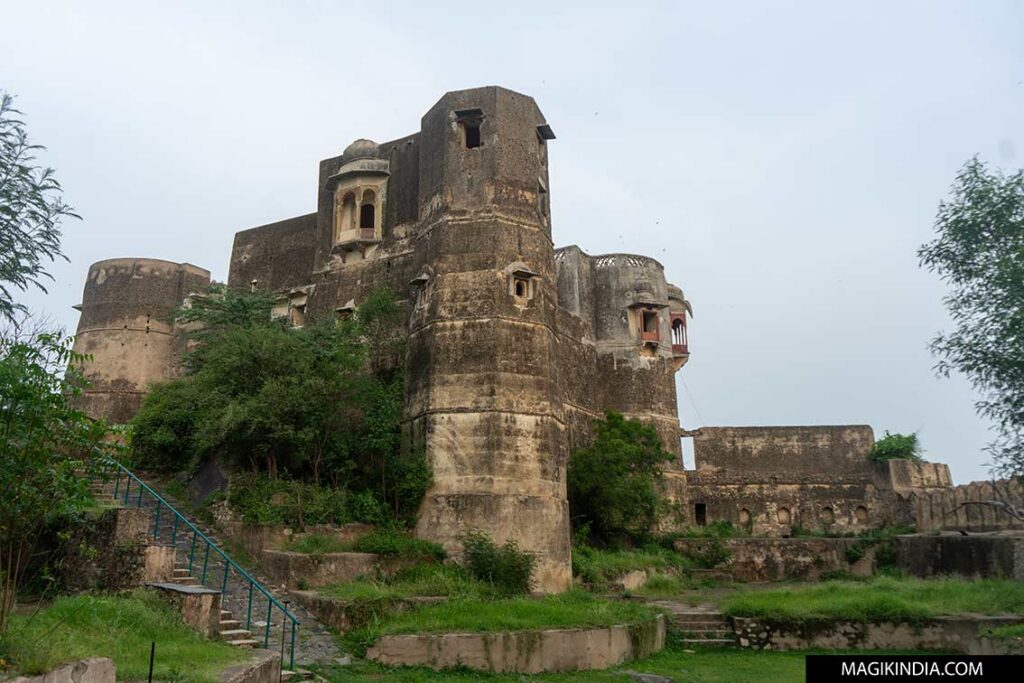
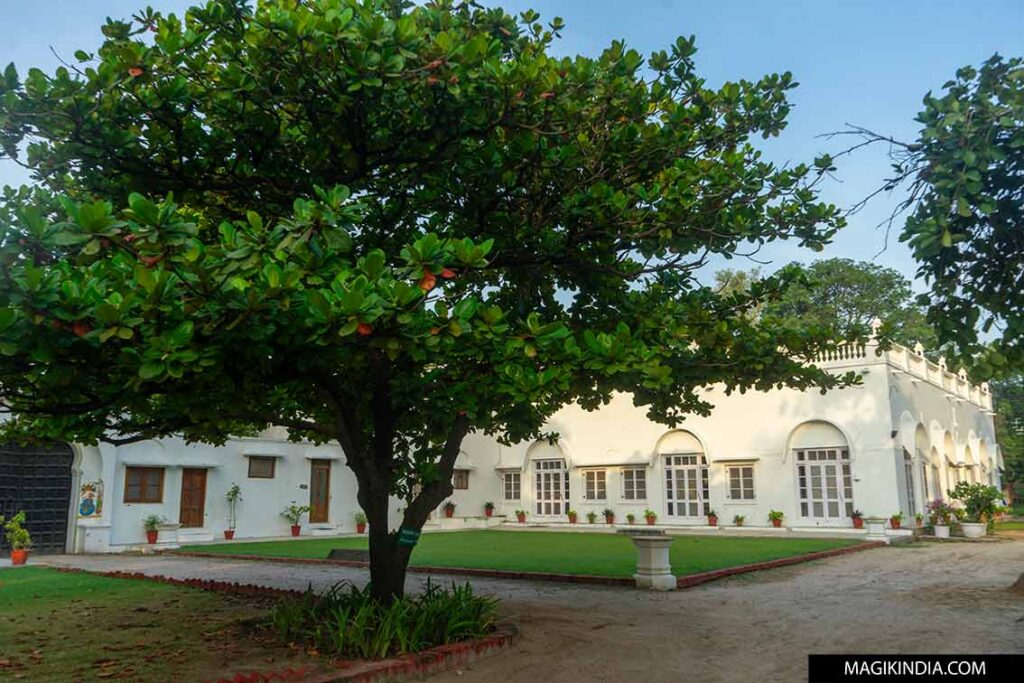
At the same time, other portions of the estate, such as the Shahpura Bagh summer residence as seen above or the Dhikola fort, have remained in the hands of the royal family.
Shahpura, a kaleidoscope of peoples
Beyond royal history, Shahpura’s surrounding rural areas and villages are characterised by a rich human mosaic, where many traditional communities continue a way of life rooted in the land.
During a rural walk organised by Shahpura Bagh, the Bhils were the first community encountered. Coming from one of the oldest tribes (adivasi) of Rajasthan, they provide a welcome that is as discreet as it is priceless.
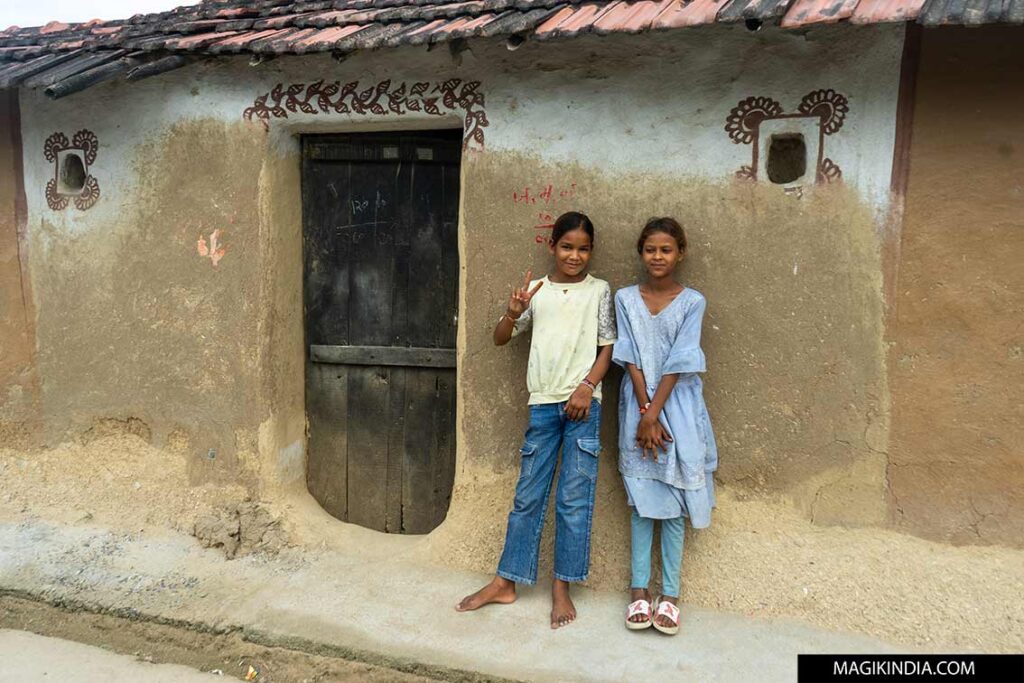
Their local architecture demonstrates a transition between modernity and tradition, uniting concrete structures supported by government aid with traditional whitewashed adobe dwellings. It is also on these luminous walls that women draw mandana frescoes every year, as Diwali approaches, to attract good fortune.
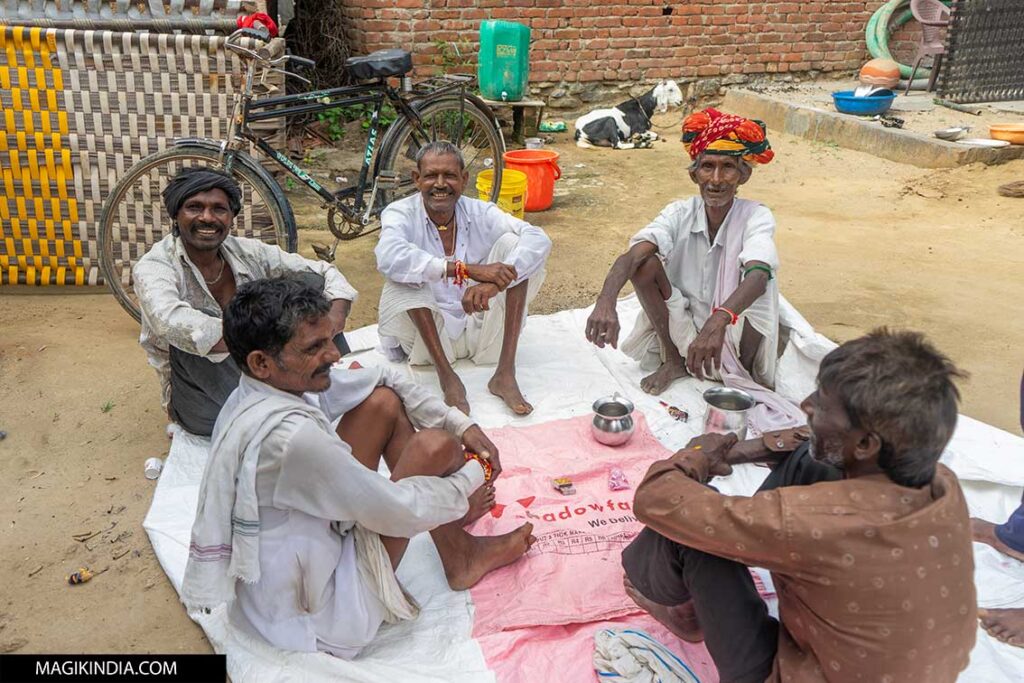
Sitting in a circle on a tarp spread directly on the ground, Bhil men unhesitatingly explain their housing preferences. Faced with Rajasthan’s sweltering heat, their choice is unequivocal: they far prefer the coolness of their traditional earthen homes to the concrete structures offered by the government.
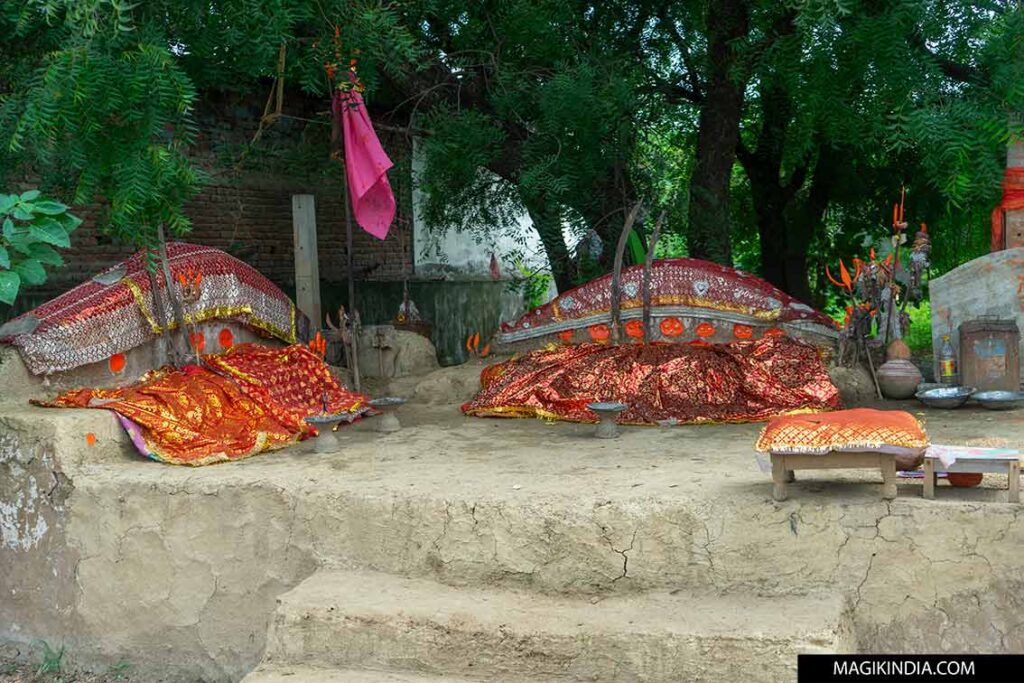
Leaving the Bhil “territory”, we discover a rustic temple dedicated to Shakti, fashioned out of the beaten earth. The atmosphere is unique with its sacred mounds topped with faces painted orange, flanked by tridents and swords, a mystical setting which comes alive intensely during the ceremonies where the Bhopas (priest-shamans) enter a trance.
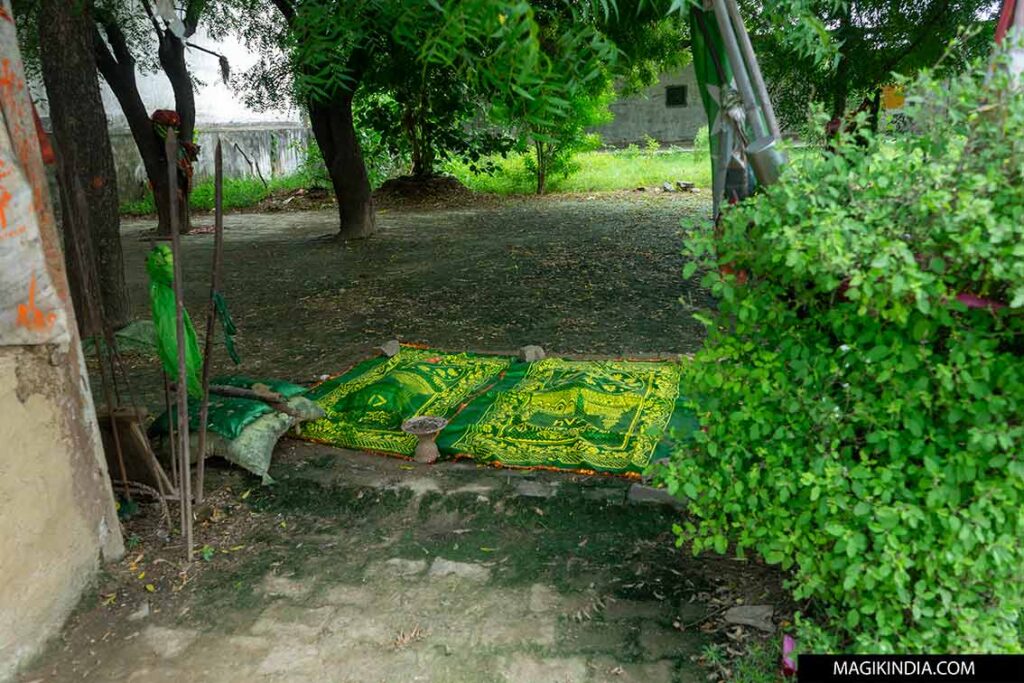
Remarkably, this sacred place shares its space with Muslim burials which the Bhil community takes care of on a daily basis.
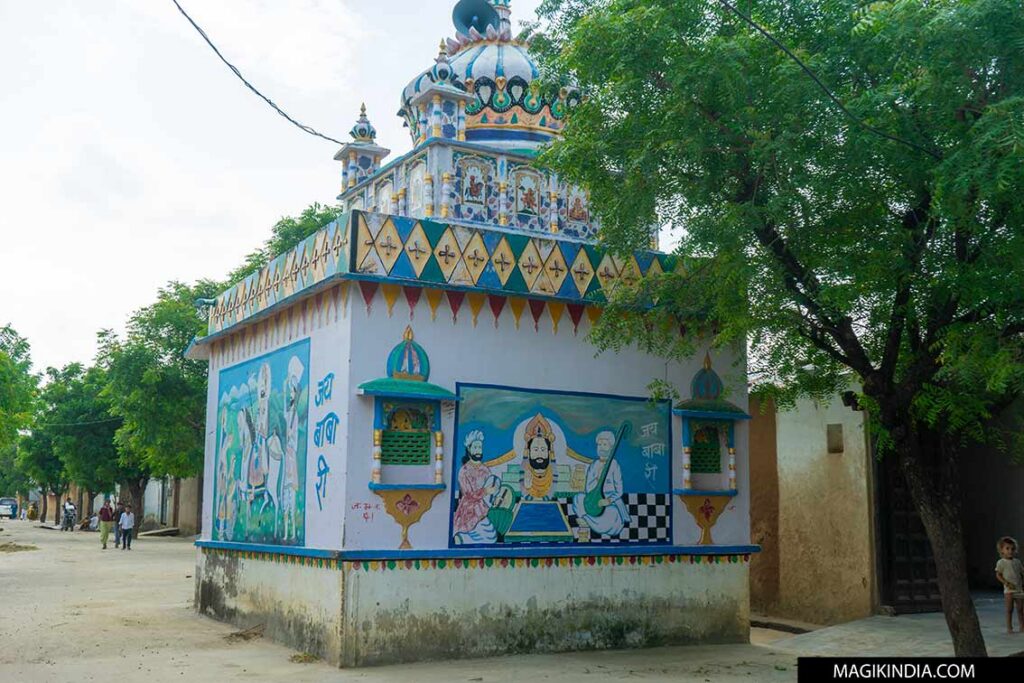
Going a little deeper into the heart of the same village, the Bhil lands gradually give way to those of the Gujjars (gurjars), a prominent pastoral and agricultural community.The border between these two worlds becomes apparent as you approach a sanctuary dedicated to the cult of Ramdevji, an essential spiritual figure of Rajasthan, venerated as a demigod.
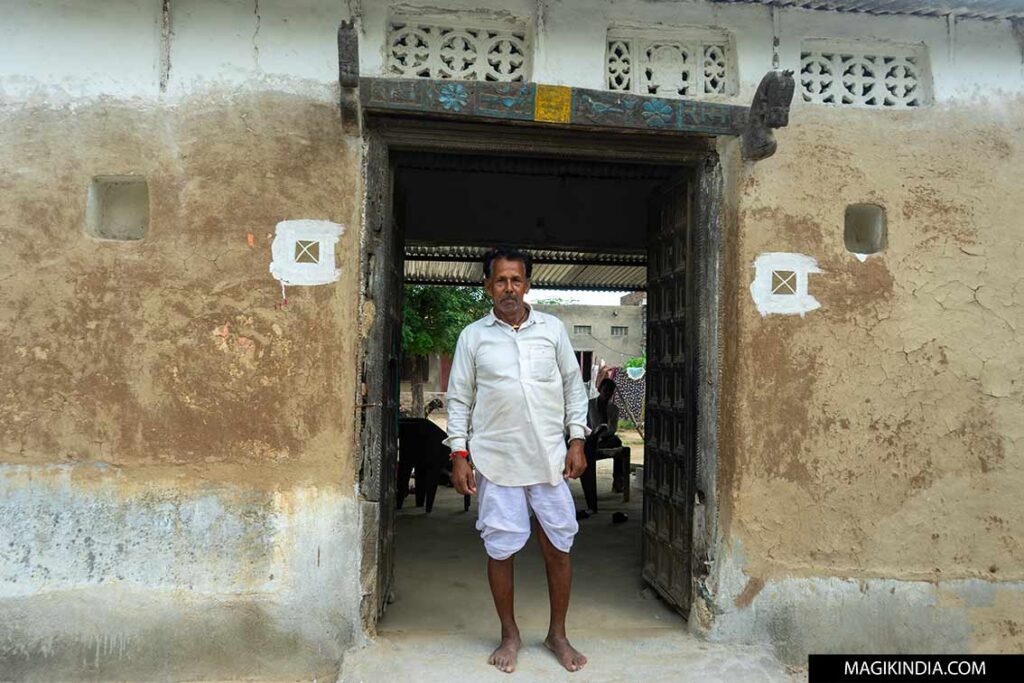
The architecture of the houses changes as we move forward, displaying more neat facades which testify to the affluence of these landowners.
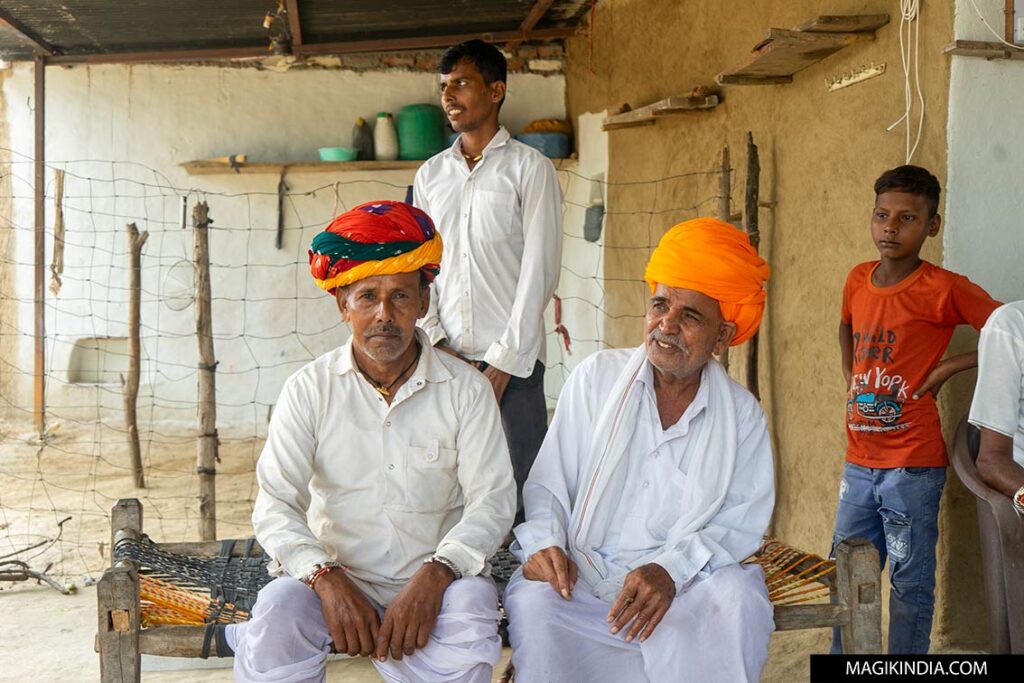
As I approach a house, a Gujjar man appears in the doorway and asks me to wait a moment just long enough to carefully adjust his multicoloured turban and put on his finest clothes to welcome me.
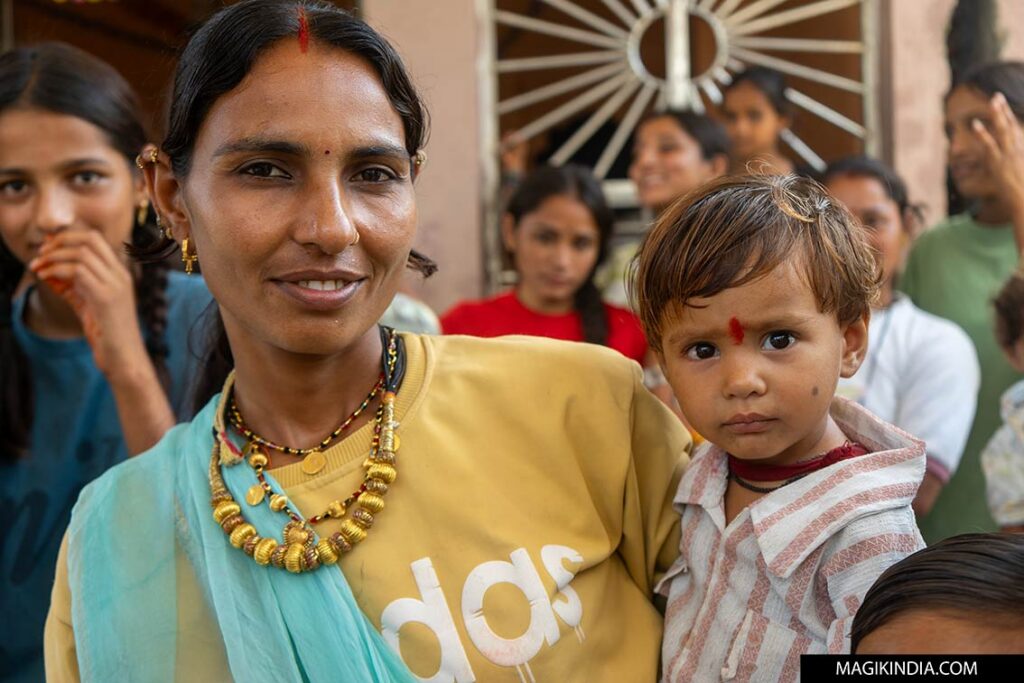
After a twenty-minute drive, we arrived at the Banjara village, and the contrast was immediate! Gone was the reticence and reserve of the previous communities; the Banjaras exuded boundless energy, eagerly crowding around us and laughing and twirling without a moment’s pause.
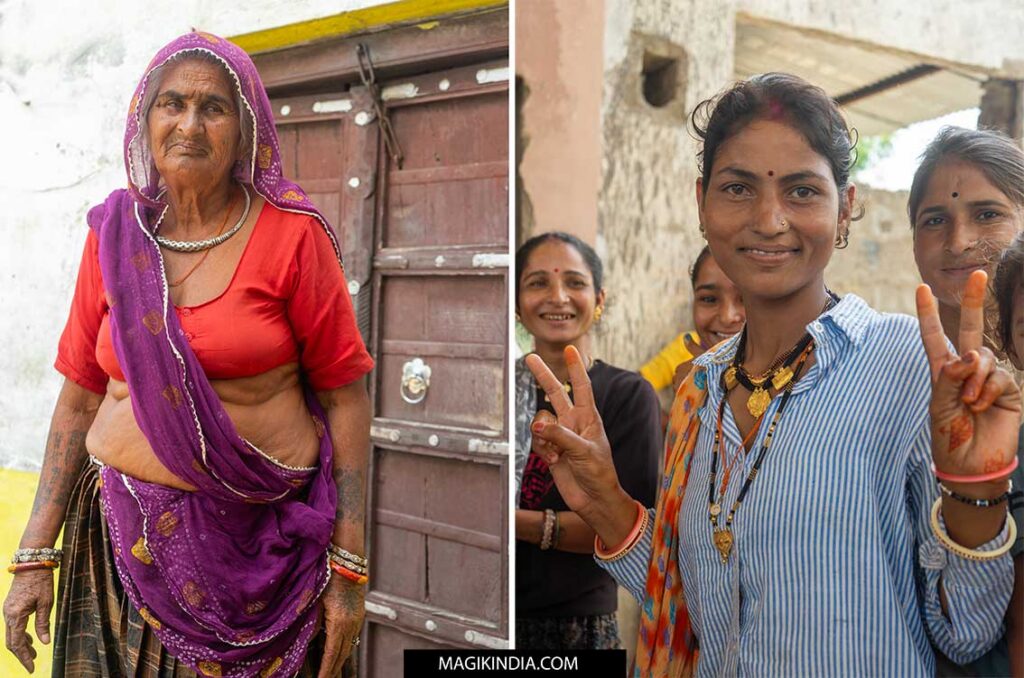
Descendants of great nomadic merchants and legendary caravaners who once connected villages to trade salt, grain, and spices, the Banjaras have over time become a settled people. While their roots in Rajasthan remain strong, this historic community also extends to other regions of India, such as Gujarat, Maharashtra, Karnataka, Andhra Pradesh, and Madhya Pradesh.
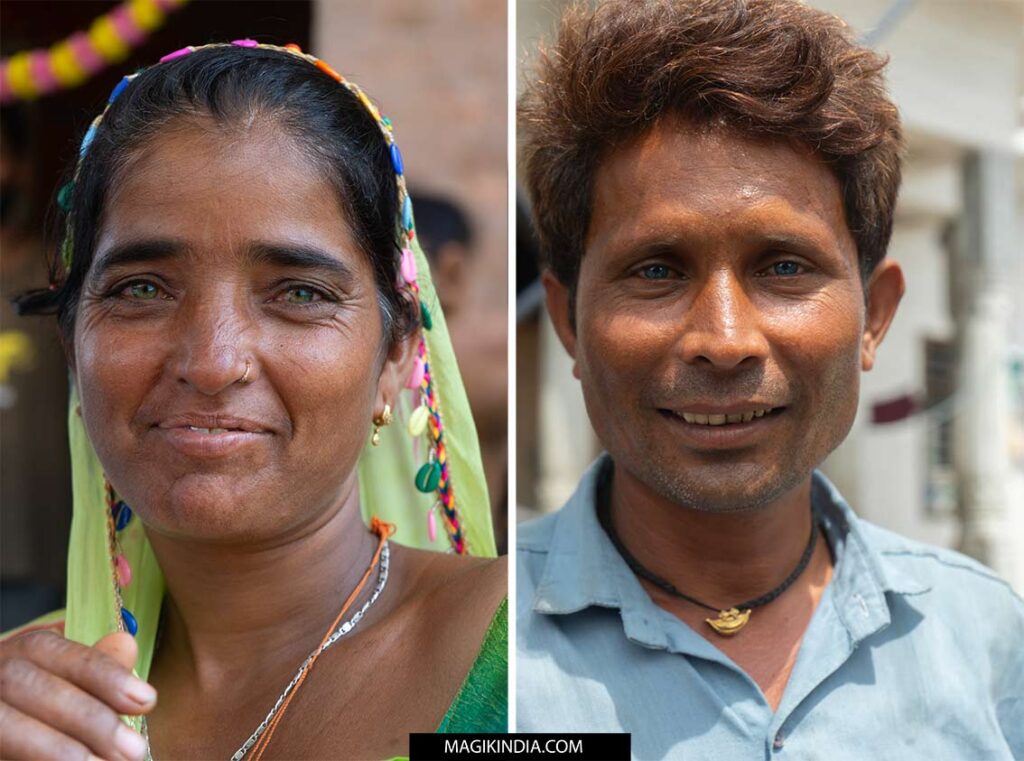
In the midst of this excitement, a visual detail is immediately striking: many have eyes of a celestial blue or a piercing emerald green, a particularity which recalls the surprising diversity of India.
Shahpura, cradle of Phad painting
Shahpura also plays an essential cultural role as the historical birthplace of Phad painting. This traditional pictorial art, executed on rolls of fabric using exclusively plant colors, consists of narrative frescoes dedicated to the epics of local deities such as the warrior-god Pabuji and Devnarayan.
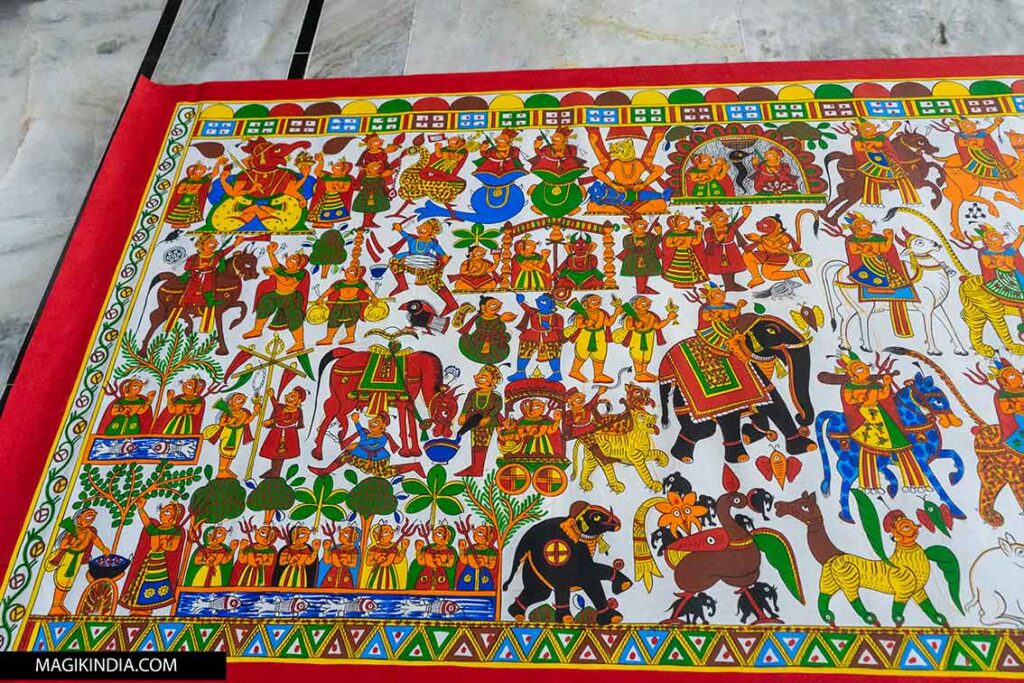
Originally, these works served as nomadic sanctuaries for traveling bards called Bhopas, who traveled through villages singing the stories illustrated on the scrolls. Today, this meticulous art is passed down from generation to generation by the famous Joshi family of artists from Shahpura…
KNOW MORE ABOUT PHADLe Ramsnehi Sampradaya
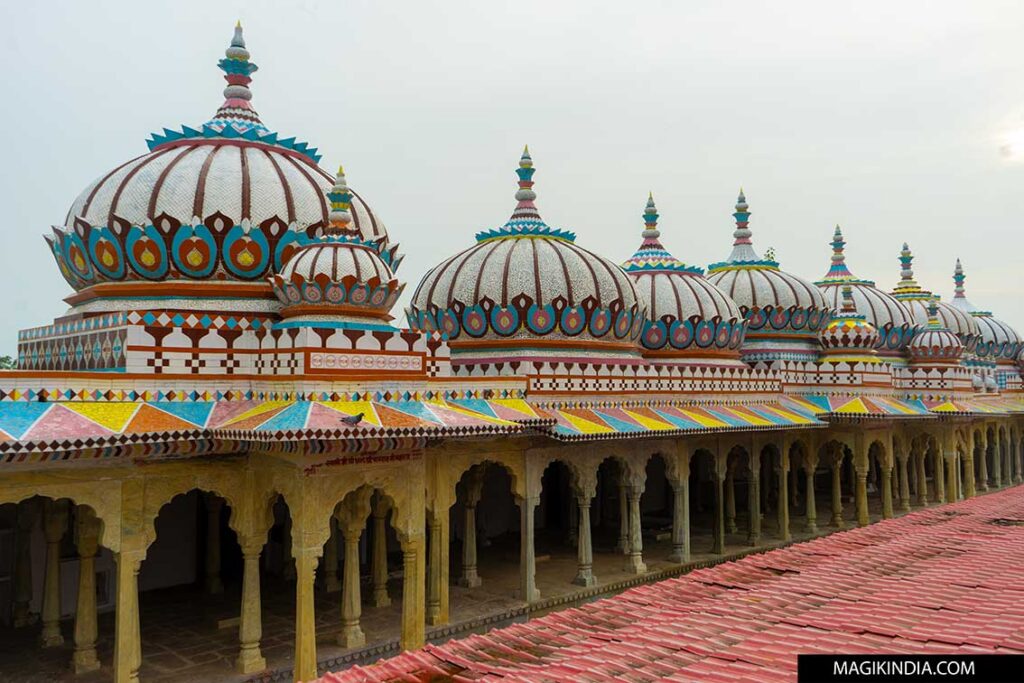
Recognisable by its domes decorated with multicoloured mosaics, the Ramsnehi Sampradaya complex stands out as the spiritual heart of Shahpura. Founded in the 18th century by Swami Ramcharan Ji Maharaj, this order takes its name from a promise of unconditional love to the divine.
A particularity reigns there: here, the word “Ram” does not designate Lord Rama, but embodies the cosmic, universal and formless consciousness which inhabits all things. Like the Ramnamis of Chhattisgarh, this sacred syllable is perceived as a beej mantra, an original and primordial source.
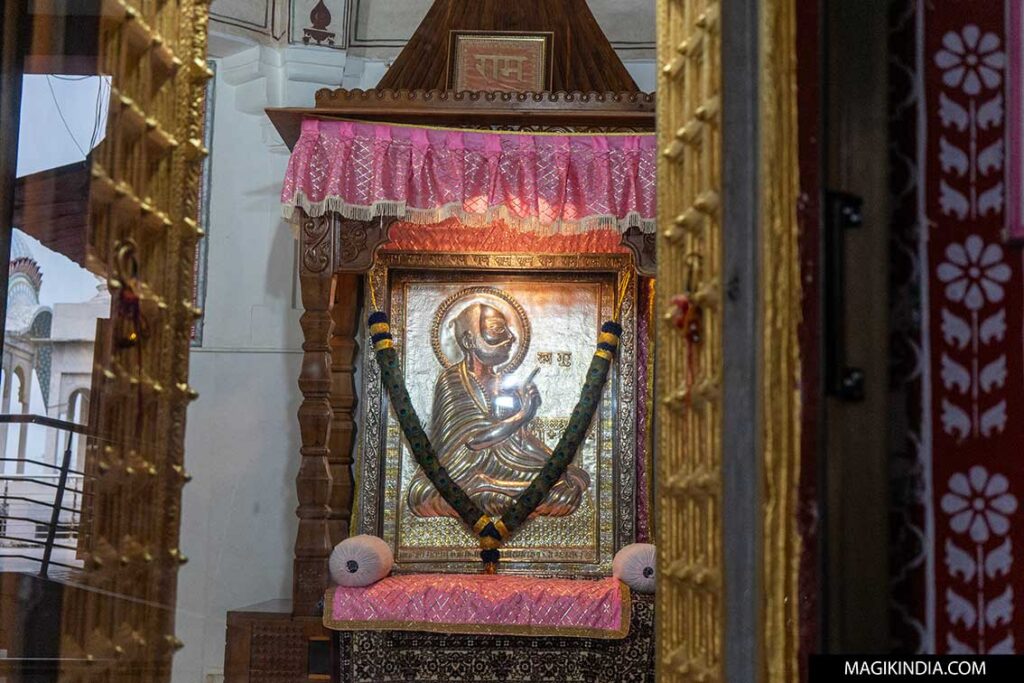
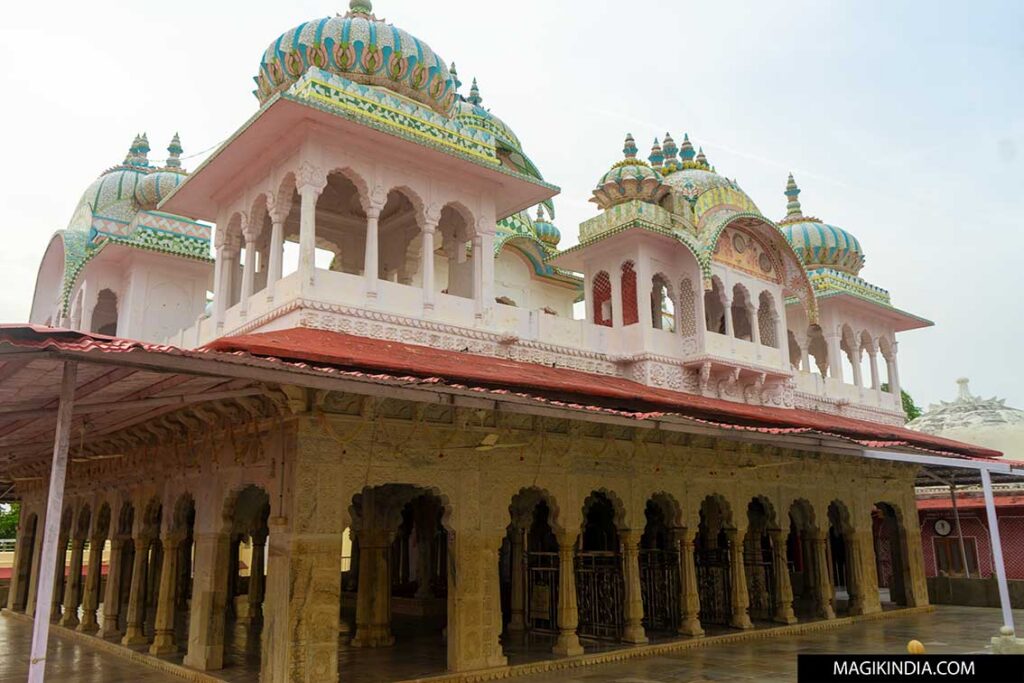
Breaking with classical Hinduism, the monks and the faithful practice no idolatry. They focus all their fervour on the constant recitation and meditation of the divine name, to the extent that the great temple with its elegant arches houses nothing but a raised platform, entirely devoid of any idol.
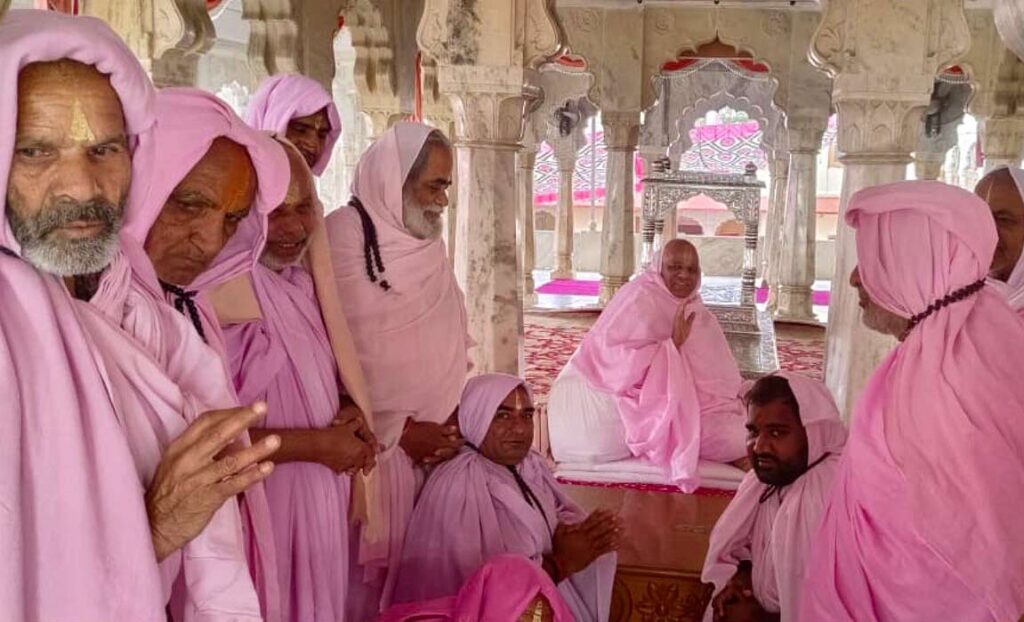
Clad in pale pink robes that make them instantly recognisable, these men follow a rigorous way of life rooted entirely in asceticism, universal compassion, and self-sacrifice.
Every year, between March and April, on the occasion of the month of Phalgun Shukla which begins just after the Holi festivities, the Ramsnehi Sampradaya comes alive intensely to celebrate the Phool Dol ka Mela. For five days, this great festival brings together pilgrims from the four corners of India to experience a moment of intense fervor, made up of colorful celebrations, fairs and deep devotion.
Practical information
How do I get there?
Shahpura is conveniently located halfway between Jaipur and Udaipur (approximately 220 km on either side, approximately 4 hours’ drive).
- By car or private taxi (recommended): this is the most comfortable way. It is easy to arrange a taxi transfer from Jaipur, Udaipur or Pushkar using the National Highway (NH 48) which is in good condition.
- By Train: Shahpura does not have a major railway station. The nearest railway station is at Bhilwara (about 65 km away), or at Bijainagar, from where one can easily complete the journey by taxi.
Where to stay?
For an exceptional stay, Shahpura Bagh is the essential address in the region.
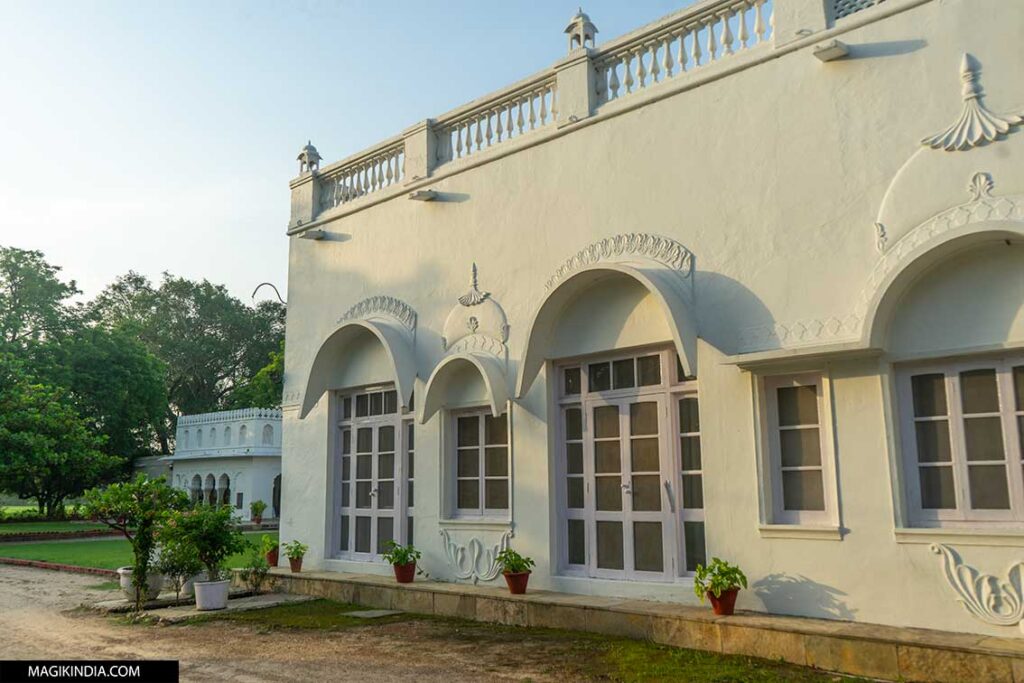
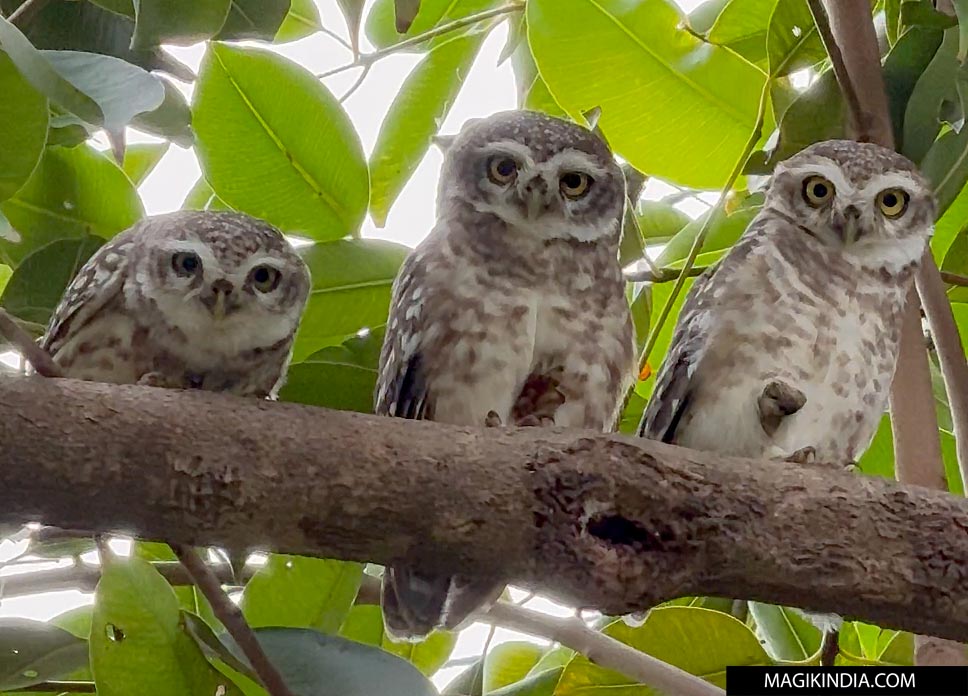
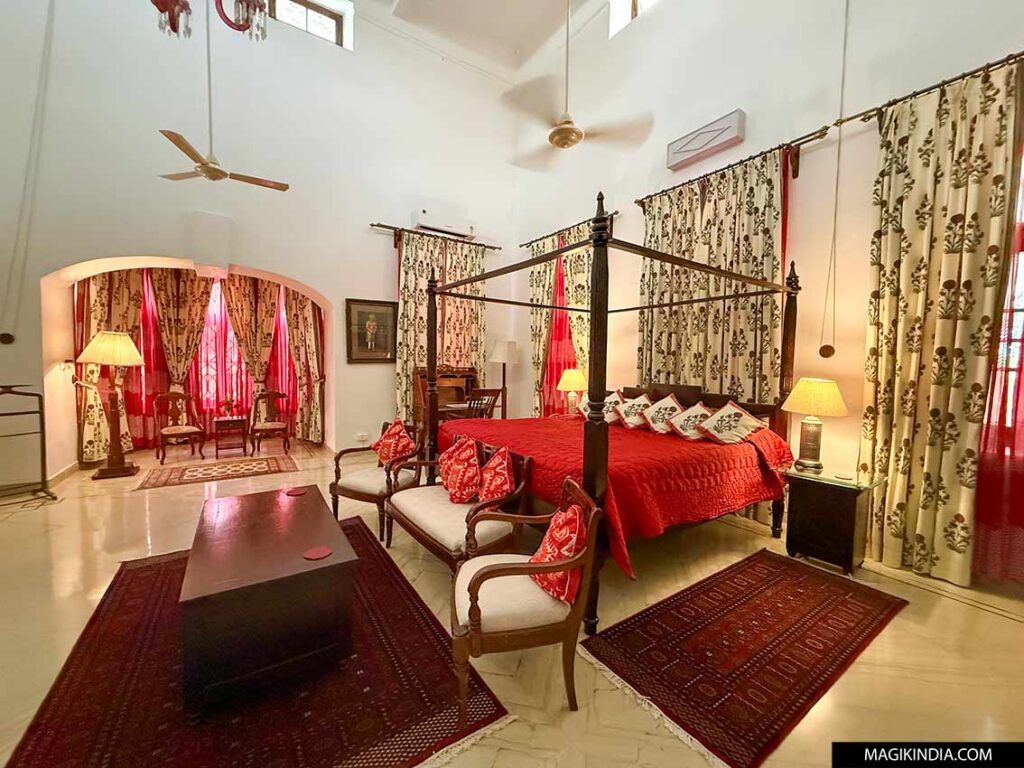
Former summer residence of the rulers of Shahpura, this heritage estate is nestled in the heart of more than forty hectares of greenery, where peacocks and owls flourish between lakes and colonial-inspired bungalows. The establishment offers a small number of spacious suites, enhanced by antiques which create a peaceful and intimate haven.
On the table side, guests enjoy authentic gastronomy inspired by family recipes, with the possibility of dining by the lake or the Dhikola fort.
The stay is also punctuated by numerous activities: among others, ornithological safaris, immersion in neighboring villages, introduction to the traditional art of Phad and relaxing yoga sessions.
- Ideal duration: minimum 2 to 3 nights to appreciate the serenity of the place and explore the surroundings at a relaxed pace.
- Best time: October to March, when the climate is pleasant and conducive to outdoor activities.
HIT THE ROAD OF RAJASTHAN WITH US!
Vous aimerez peut-être aussi...

Nestled at the foot of the Aravalli Mountains in the peaceful Pali district, the village of Ghanerao is an invitation...
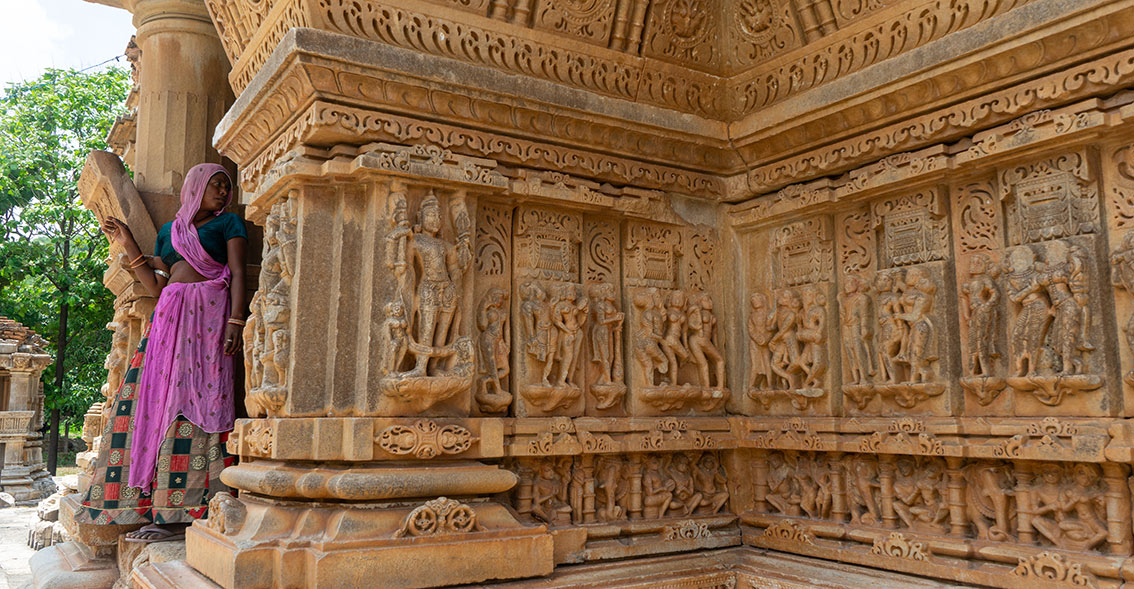
Located in Nagda, just 20 kilometers northeast of Udaipur (Rajasthan), the Sas-Bahu temple complex is a true architectural gem that...
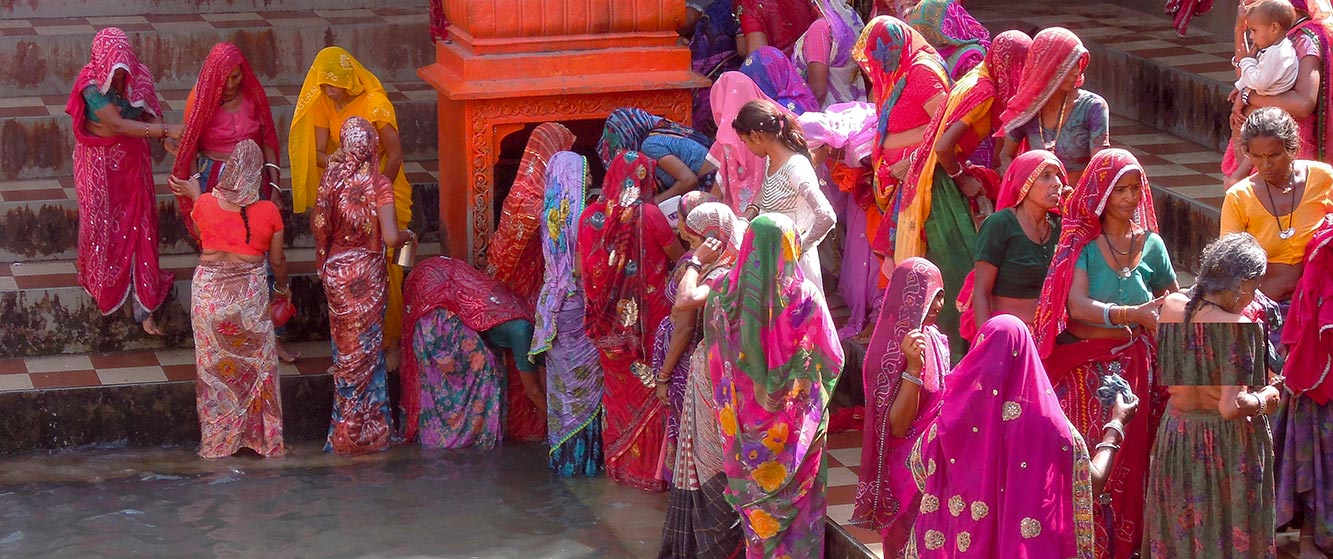
Lohargal, located 30 km from Nawalgarh, is one of the major pilgrimage sites in the Shekhawati region (Rajasthan). Nestled in...
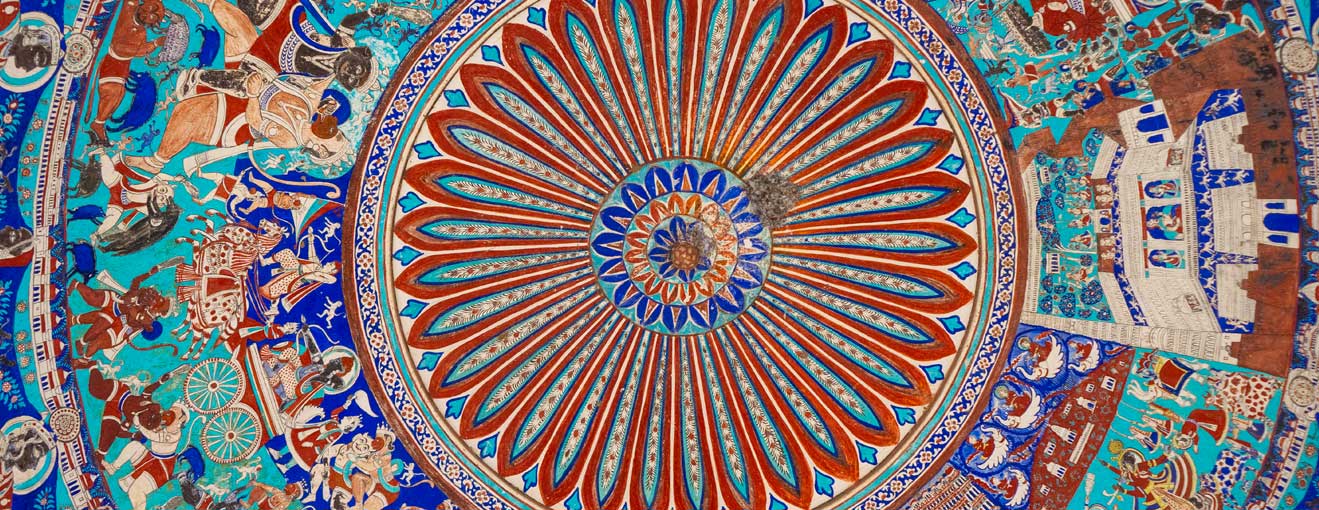
If you've been following this blog for a while, you might know that Shekhawati is one of my favourite regions...
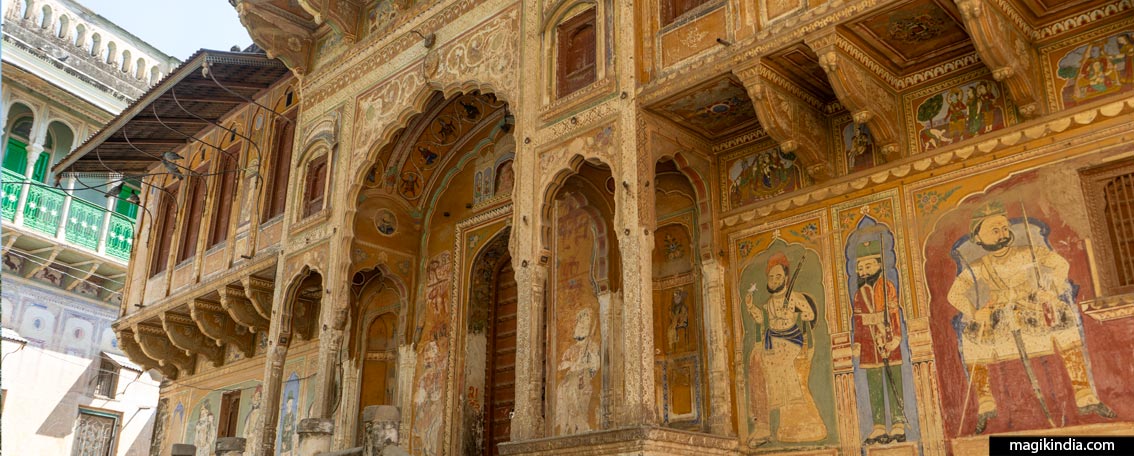
Nawalgarh is a major city in Shekhawati, a semi-desert region in northern Rajasthan. Founded in the mid-18th century, it became...

