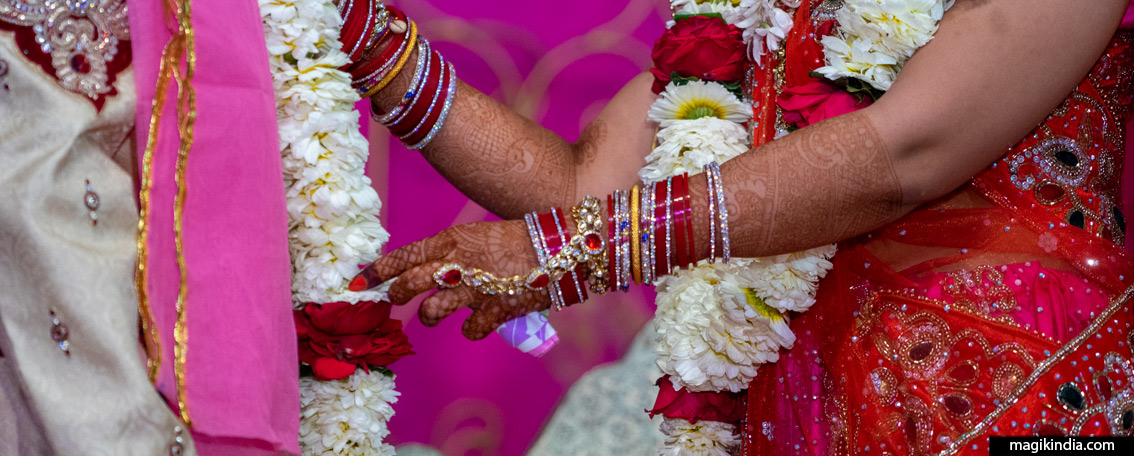
India celebrates more than 10 million weddings each year, which means that the wedding industry is doing well in the country of Gandhi ; with an annual turnover of 50 billion euros per year, it is the most largest marriage market after the United States (70 billion). No need to say that marriage is the most important ceremony in the lives of Indians. It varies from region to region and includes a myriad of highly codified rituals. In this article, I will stick to the Hindu marriage celebrated in Rajasthan and more particularly to that of the region of Mewar (Udaipur), where I live.
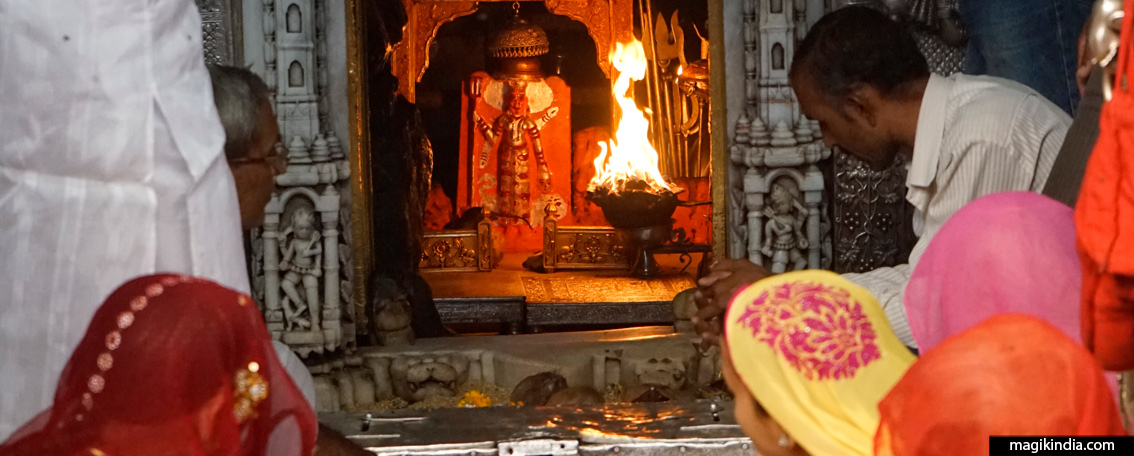
The author of the slogan “Incredible India!” have been well-inspired. The slogan indeed applies to all aspects of Indian culture and Hindu temples are no exception. Some of these sanctuaries are known for the incredible technicality of their construction – Madurai, Ellora or Tanjore – to name but a few, others for their unusual cults imbued with legends and popular beliefs.
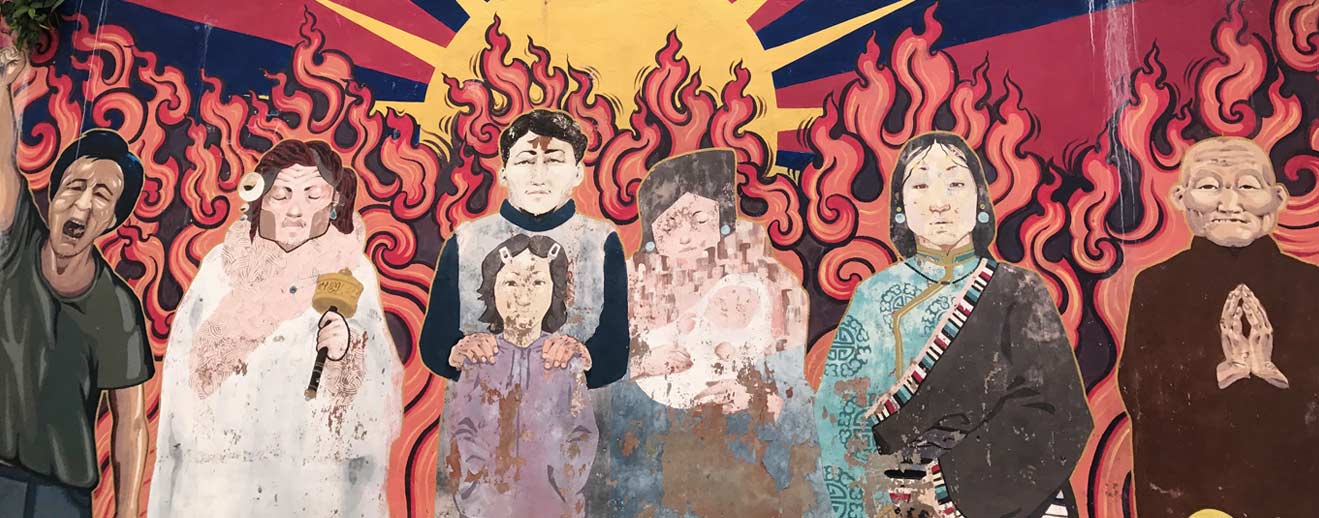
On 17th March 1959, Tenzin Gyatso, the current Dalai Lama fled Tibet following the Chinese invasion and took refuge in Dharamshala, Himachal Pradesh, where he established the Tibetan government in exile. McLeod Ganj or ‘Upper Dharamshala’ located 10km above Dharamshala became the official residence of the Dalai Lama and the haven of thousands of Tibetans. Over the years, McLeod Ganj turned into one of the most attractive mountain resorts in India not only for its Buddhist culture but also for its relaxed ambience and the beauty of its mountainous landscapes.
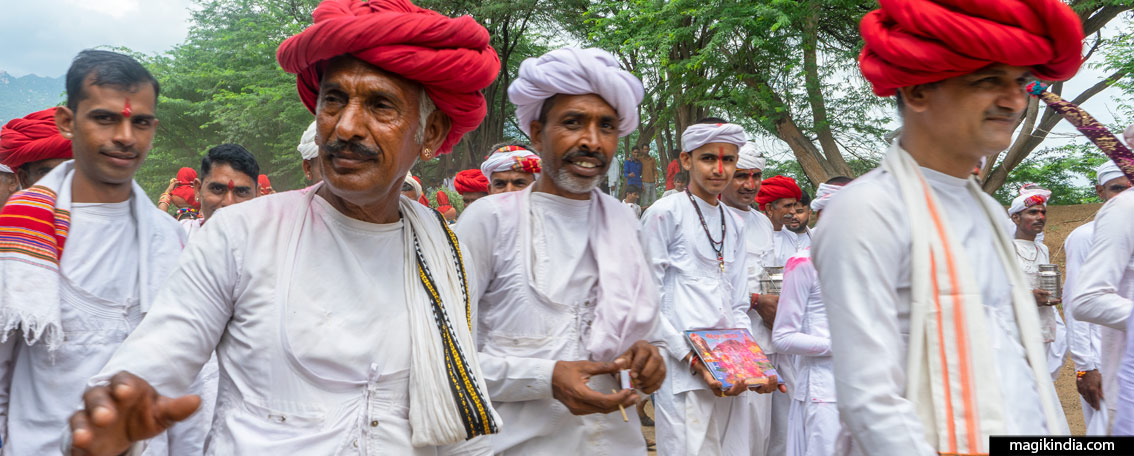
“Outside the norm”, this is perhaps one of the best definitions of the word “Rabari.” Those who, originally, were nomadic camel herders from the arid areas of Rajasthan consistently exercise a powerful fascination on common people and regularly attract photographers’s eyes from all over the world. If their origin remains a mystery, their traditions, even gradually eroded by modern society, are still very much alive.

