

If Gujarat captivates me, it is above all by the human richness of its communities. After exploring the world of...

The Muria and the Tradition of the Ghotul
The Muria tribe, a major branch of the Gond ethnic group, inhabits the highlands and forests of the Bastar district in Chhattisgarh. Their identity revolves around the Ghotul, a central community institution that governs youth education and village social cohesion. This organisation is grounded in a rigorous egalitarian structure, wherein oral traditions, ancestral rites, and the collective management of land define every aspect of daily life.
Who are the Muria?
The Muria constitute one of the most emblematic branches of the Gond, a vast indigenous (Adivasi) community of over 12 million people distributed across Madhya Pradesh, Maharashtra, and Chhattisgarh. Within this large family, they distinguish themselves from the Maria or the Baiga through the exceptional preservation of their community organisation and traditional village structures.

Settled in the heart of Bastar, north of the Indravati River, the Muria primarily inhabit the regions of Kondagaon and Narayanpur. There, they perpetuate the use of Koya, a Dravidian language that underscores their distinct identity and their historical roots within this cultural mosaic of Central India.
The Muria and the Sacred
The foundation of the Muria religion rests upon the veneration of ancestors. They are regarded as the guardians of the group’s morality and prosperity. Libations of Mahua (flower liquor) and sacrifices are offered to them during key life events, as their displeasure is perceived as the cause of illness or poor harvests.
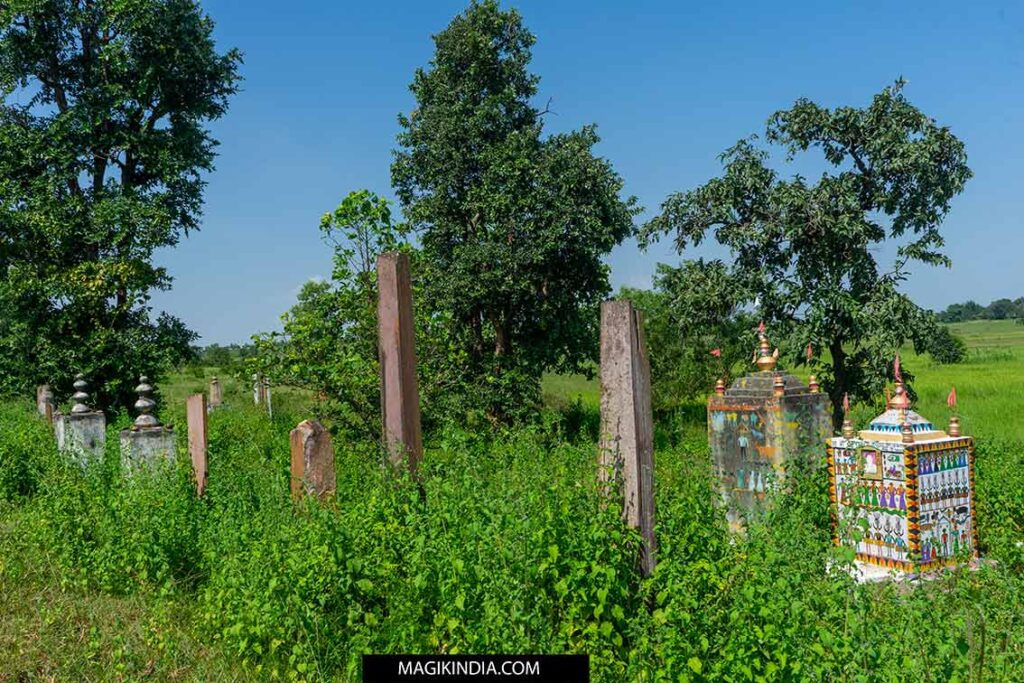
This veneration of ancestors finds its most concrete expression in the erection of the Mritak Stambh, a funerary pillar or pavilion that constitutes the ultimate tribute paid to the deceased. Serving as true spiritual vessels, these memorial pillars facilitate the soul’s passage into the realm of the ancestors. Each piece is unique: local artisans paint bas-relief motifs upon them that recount the passions, status, and achievements of the departed.

Historically, tribal spirituality is animistic and therefore aniconic: the sacred resides in the raw object, a stone, a tree, or a wooden post devoid of distinctive features. The introduction of human forms is often a sign of progressive “Hinduisation.” These visual codes, adopted from sedentary castes, lend a more “readable” form to their forest spirits, thereby facilitating their recognition by neighboring populations.

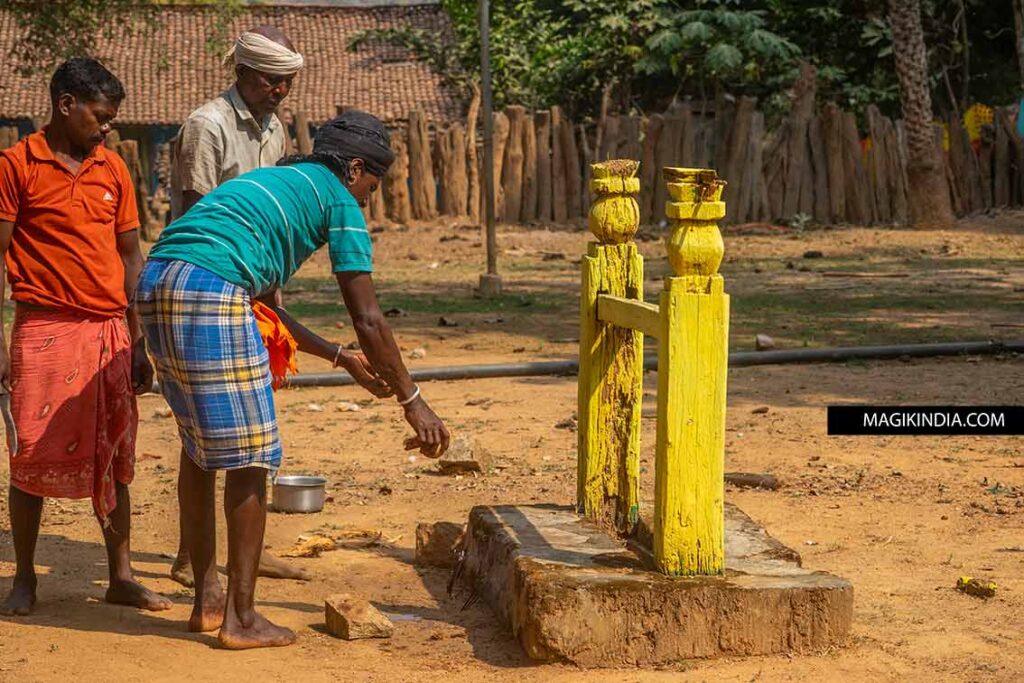
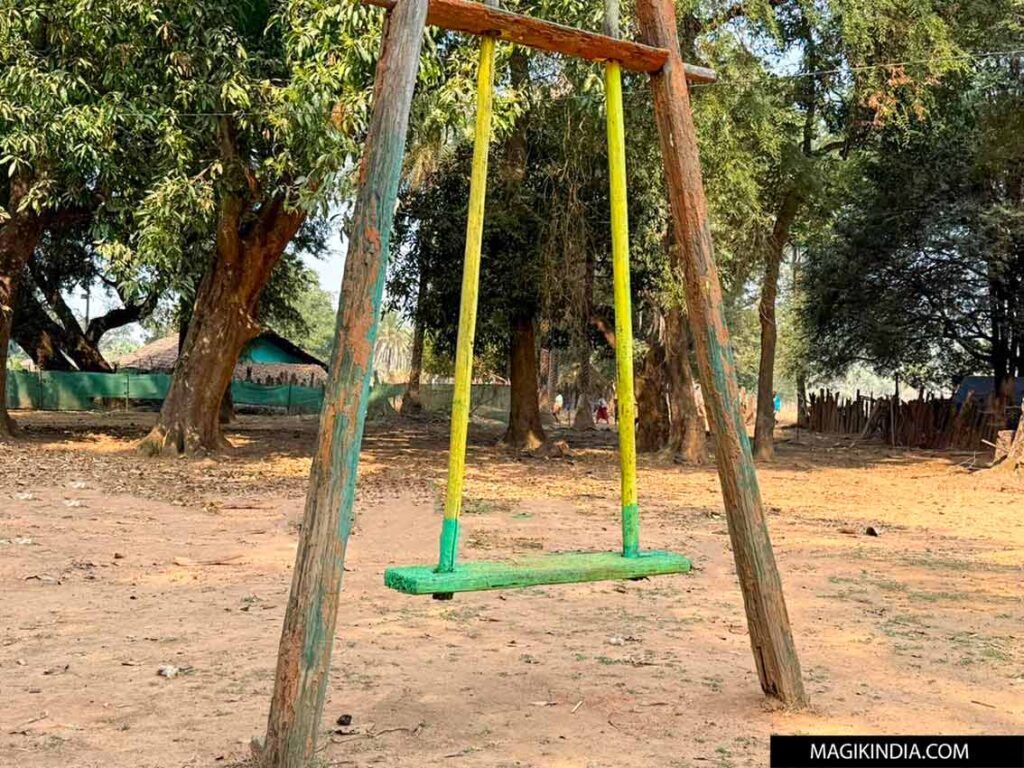
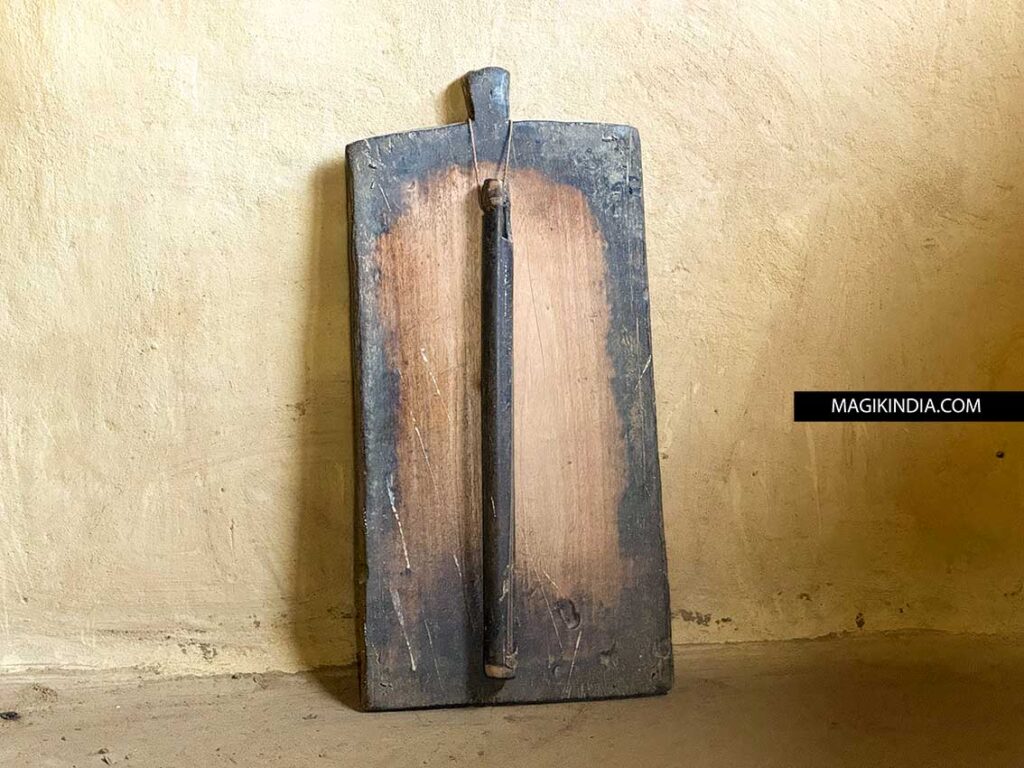
Tribal deities sometimes manifest in forms of absolute simplicity. In a village of the “Deer Horn” Muria, deep within a mud-walled dwelling, I discovered a piece of wood whose silhouette called to mind a simple kitchen utensil: a sort of board pierced by a stick. My astonishment was complete when the shaman revealed the sacred essence of this object: a primordial deity in which the stick embodies the masculine principle and the flat surface, the feminine. Contemplating this stripped-down artifact, one suddenly grasps that it is, in fact, a form of primitive Shivalingam, a raw and primal expression of the union of creative principles.

Among the Muria, the Munda is the totem that links each clan to a mythical ancestor whether an animal, such as the monkey (Kawasi) or the turtle (Poyami), or a plant, such as the mango tree (Markam).

The totem system is the pillar of their society: it strictly prohibits marriage between members of the same clan, for sharing the same totem signifies belonging to the same blood family. This rule of exogamy governs all alliances in the Bastar region.
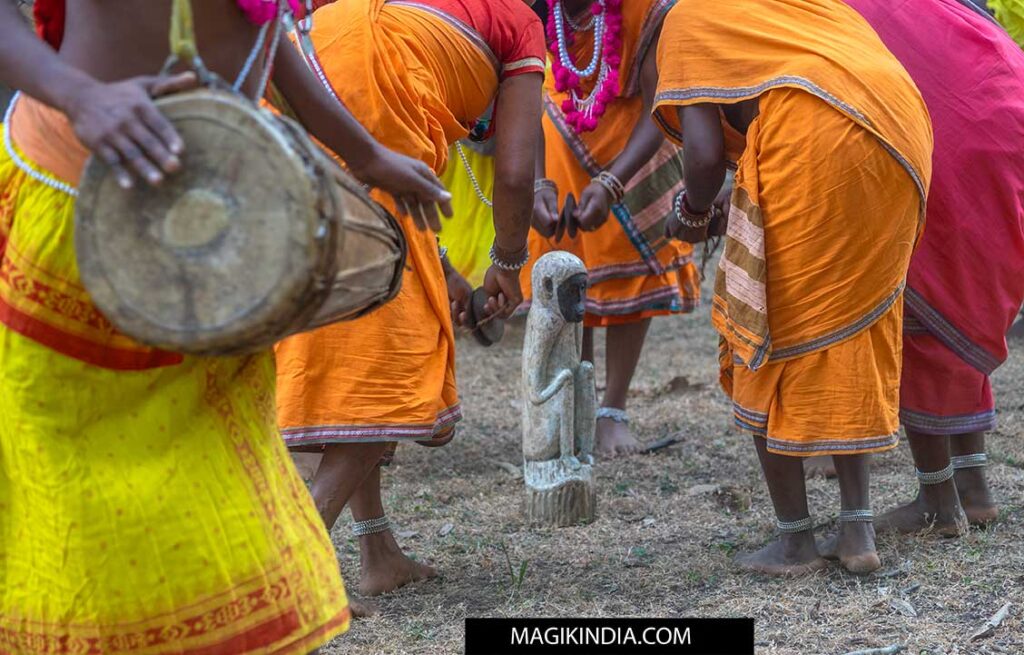
The totem also commands sacred respect: it is forbidden to kill, eat, or harm the animal or plant that represents one’s lineage. In exchange for this protection, the totem spirit watches over the clan, safeguards it from the dangers of the jungle, and ensures the prosperity of its households.
A colourful people
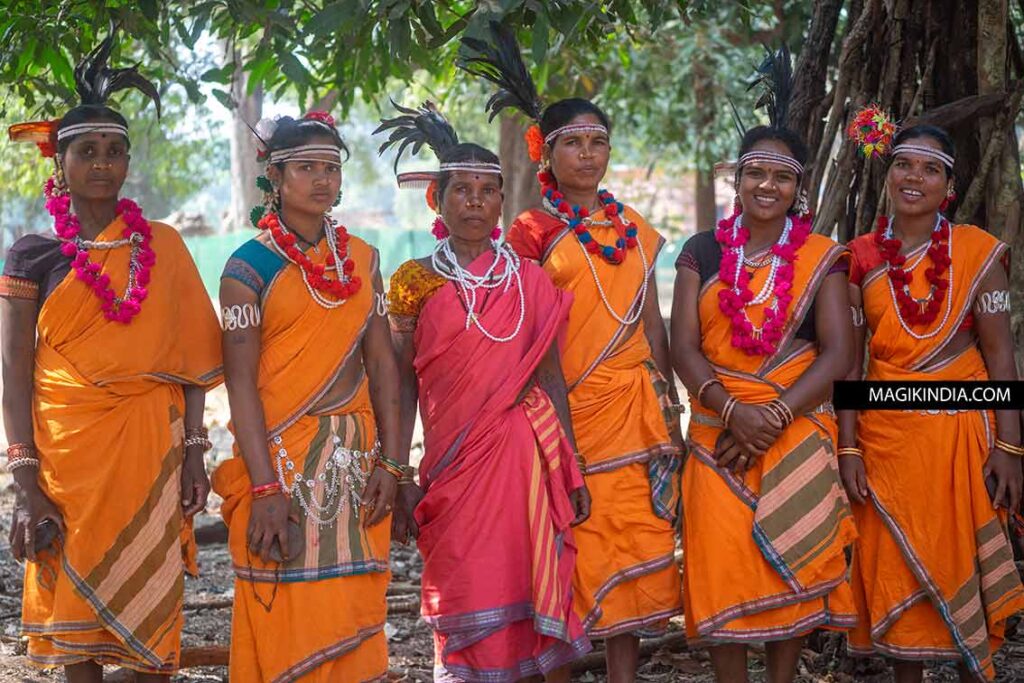
The Muria people are undoubtedly one of the most richly adorned of India’s tribal communities. Their performance costumes, particularly those of the men, are the product of highly sophisticated creative craftsmanship and an explosion of colour.
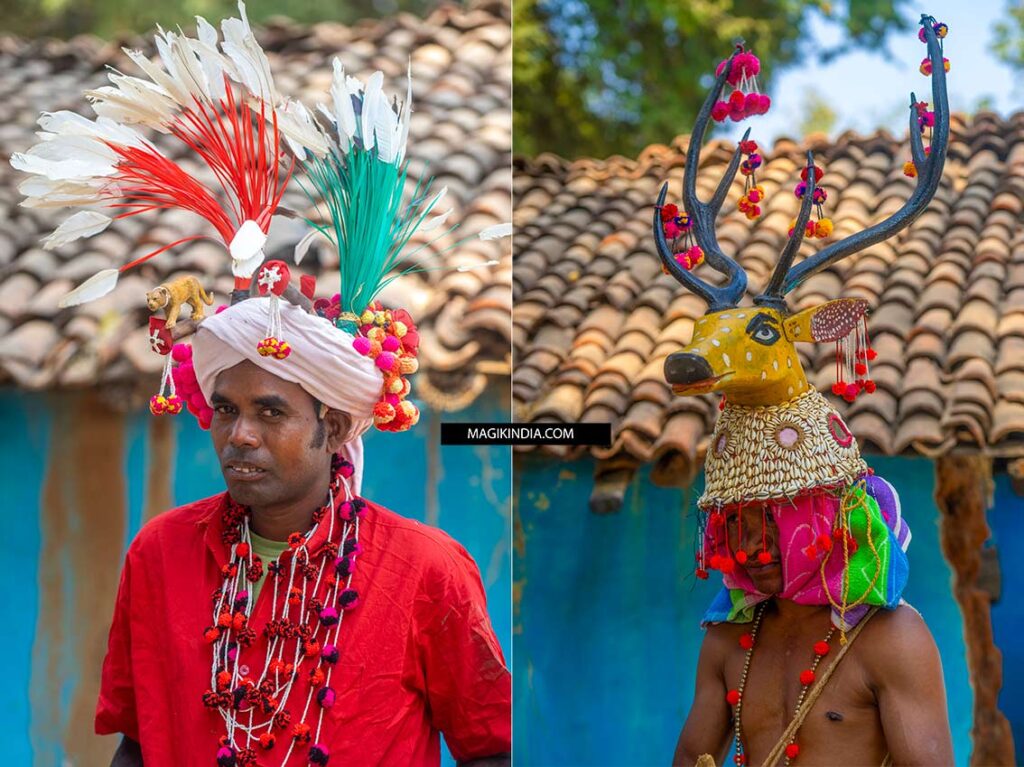
The Deer horn Muria Dance is one of the most remarkable examples (an absolute personal favorite of mine!) embodying the very quintessence of the spiritual bond between the Gond people and the wildlife of the Bastar forest. The dancers wear a headdress mimicking a deer’s head, adorned with genuine branching antlers or carefully carved replicas symbolizing the animal’s strength and nobility.

Among the other choreographic traditions of the Muria, the Gedi dance (performed on stilts) stands out due to its utilitarian origins and athletic character. Initially designed to traverse flooded areas and avoid the dangers of the monsoon, the wooden stilts have evolved into the instrument of a complex ritual dance dedicated to the harvest.
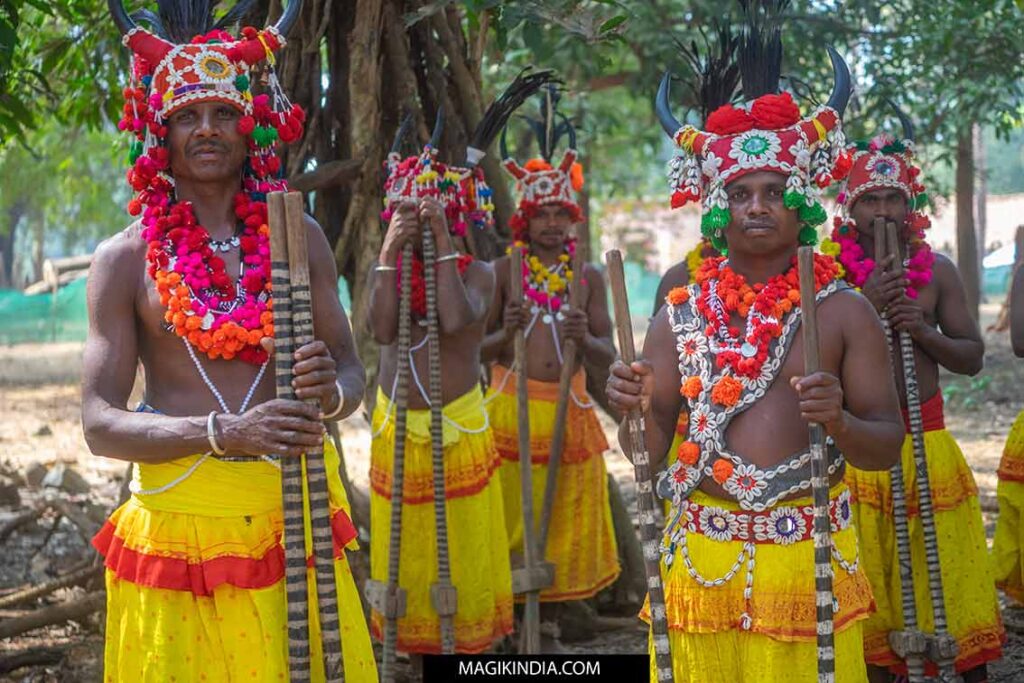
Perched atop their stilts, the men display remarkable agility as they strike the ground in rhythm, creating a unique percussion that blends with the traditional drums. This dance reaches its zenith during the Hareli festival, the harvest celebration. For young men, mastering the gedi becomes a true rite of passage and a testament to their courage and physical vigor.
The Ghotul System
The ghotul stands as India’s most fascinating sociocultural institution, unique to the Muria people. This center of community life ensures the transmission of fundamental tribal values, traditions, and rules. It serves as a true school of life for young unmarried individuals known as chelik for boys and motiari for girls.

Erected in the center or at the edge of the Muria village, the ghotul serves as the central hub of social life. This rectangular building is distinguished by a massive timber framework, crafted from Sal or teak wood, supporting an imposing roof of handmade tiles.
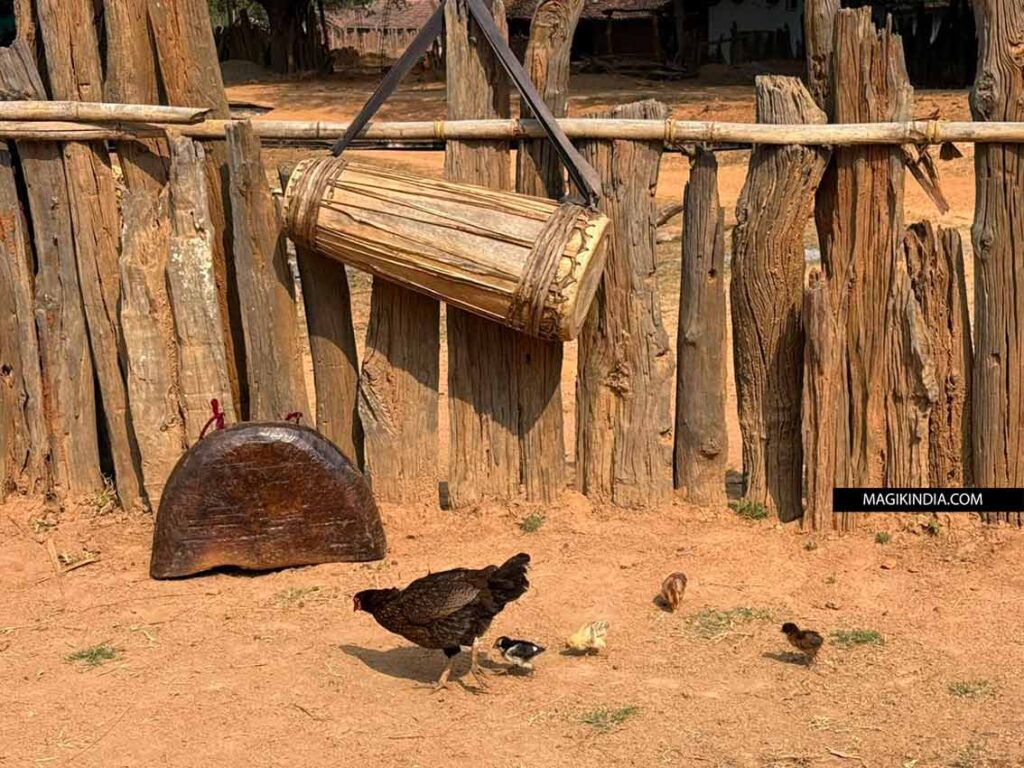
The communal space is demarcated by an alignment of wooden logs surrounding a large earthen clearing dedicated to dancing. The veranda, an open and transitional space fosters social interaction and daily activities.
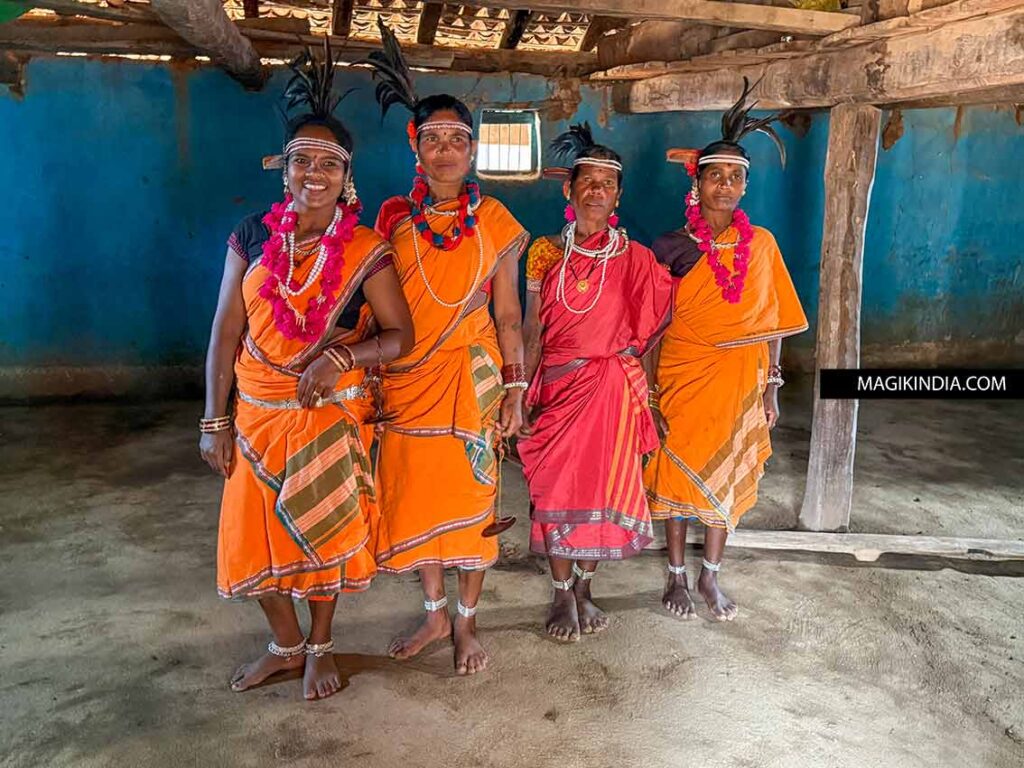
Inside, the space unfolds with great simplicity around a central hearth surrounded by benches. The floor smoothed with clay and cow dung ensures constant cleanliness and natural coolness. This sanctuary also serves as a precious storehouse, safeguarding ritual drums and feathered regalia that are brought out only for major celebrations in the outdoor square.

Learning within the ghotul prioritises an informal and immersive approach. Communal living teaches the sharing of daily tasks and respect for the established social hierarchy. Oral transmission plays a predominant role, facilitating the assimilation of songs, dances, legends, and ancestral history. This education also encompasses social service for the benefit of the village, as well as a natural initiation into sexuality perceived as a normal component of human development.
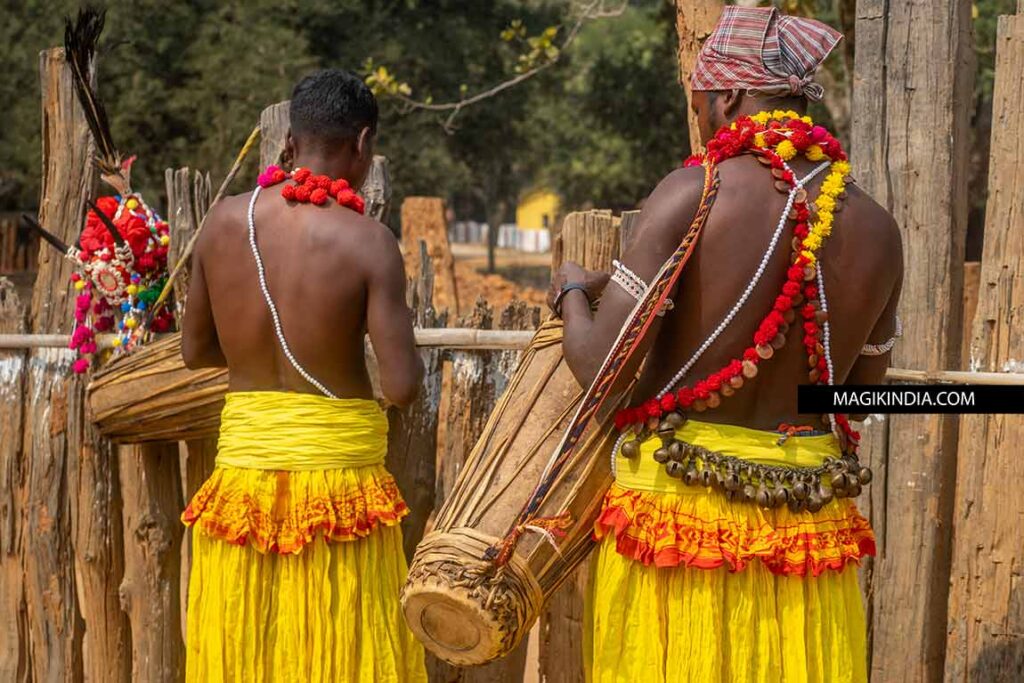
Entry into the ghotul during pre-adolescence marks a major transition toward social autonomy. In earlier times, young cheliks and motiaris would gather at this communal house every evening, while continuing to fulfill their family’s agricultural and domestic duties during the day.
Contrary to common misconceptions regarding debauchery, sexuality within the ghotul is practiced within a rigorous communal framework. It is integrated into a profound emotional education in which natural initiation prioritises mutual respect and consent. The system fosters camaraderie and group harmony, eschewing possessive exclusivity in order to maintain tribal cohesion.
This period of exploration remains temporary and secure. It prepares young people to choose a life partner in an informed manner, enabling them to approach marriage and adult responsibilities with a fully developed maturity.
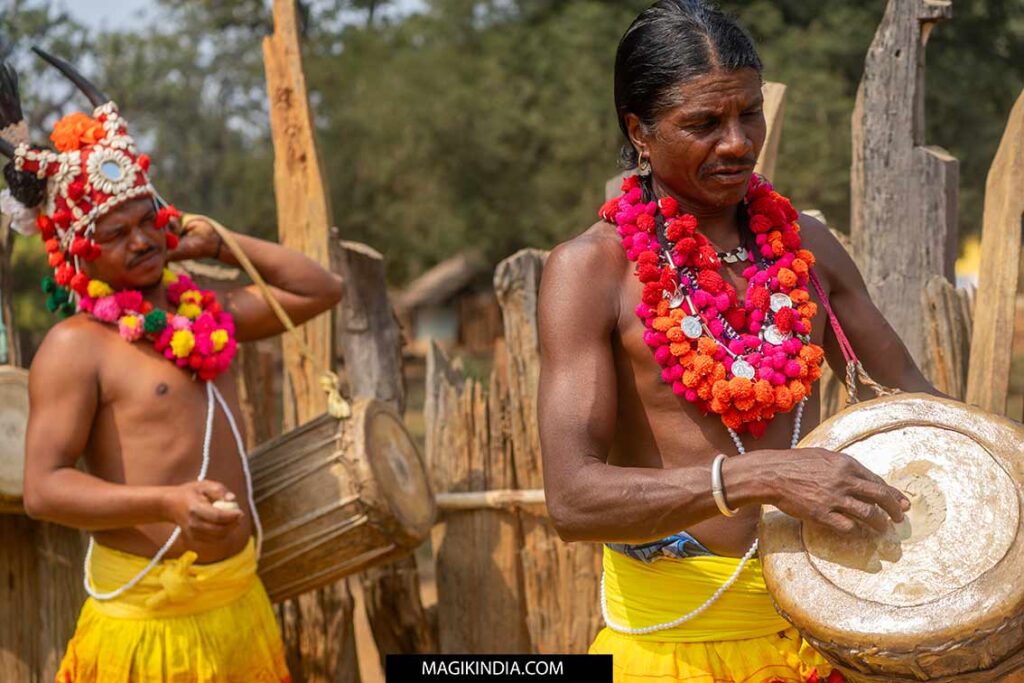
Unfortunately, the influence of the ghotul is declining due to social changes and the increasing integration of indigenous populations. The pace of formal schooling is now supplanting traditional tribal learning, while urban culture and technology are reshaping the aspirations of younger generations.
However, the ghotul does not disappear; it metamorphoses into a cultural center dedicated to celebrations and the preservation of ritual dances. This evolution marks the transition from a daily educational structure to a symbol of cultural heritage.
MEETING THE ADIVASI OF CHHATTISGARHVous aimerez peut-être aussi...

The Santhal people constitute one of India's largest indigenous communities, primarily settled in the states of Jharkhand, West Bengal, Odisha,...
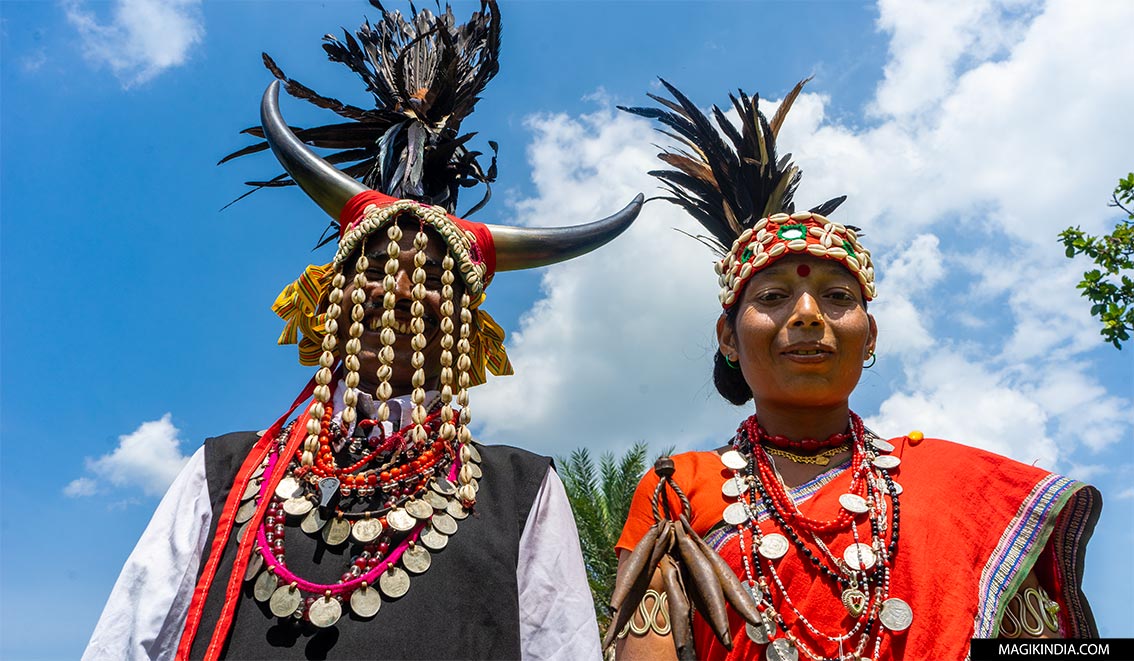
Inhabiting the high plateaus of Bastar (Chhattisgarh), the Dandami Maria tribe constitute an emblematic branch of the Gond people, distinguished...
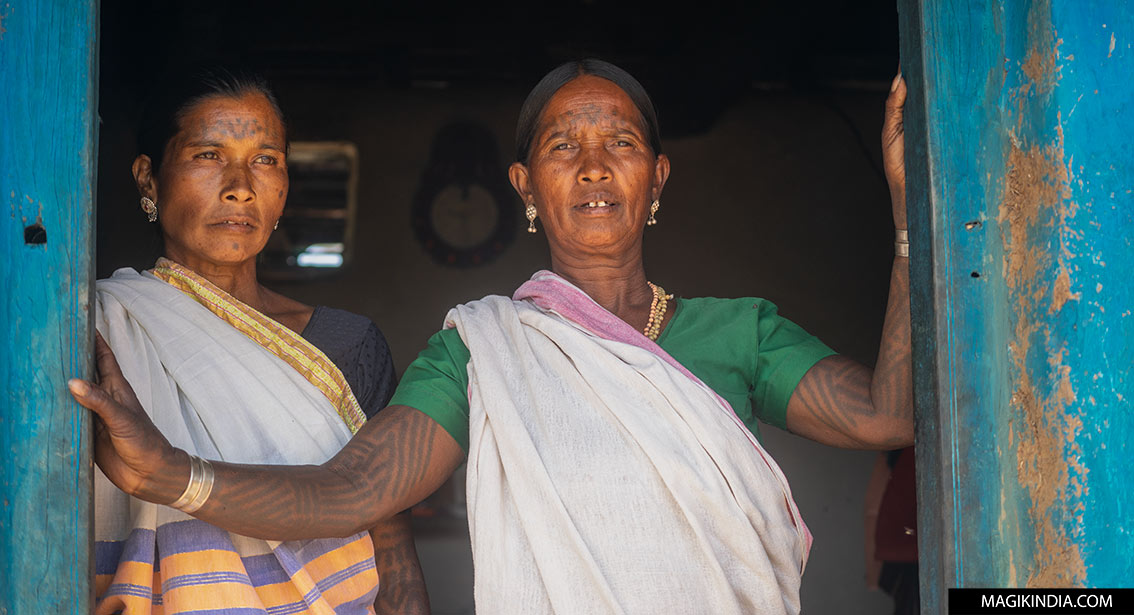
The Baiga tribe, nestled deep within the dense forests of northern Chhattisgarh, define themselves above all as the spiritual guardians...
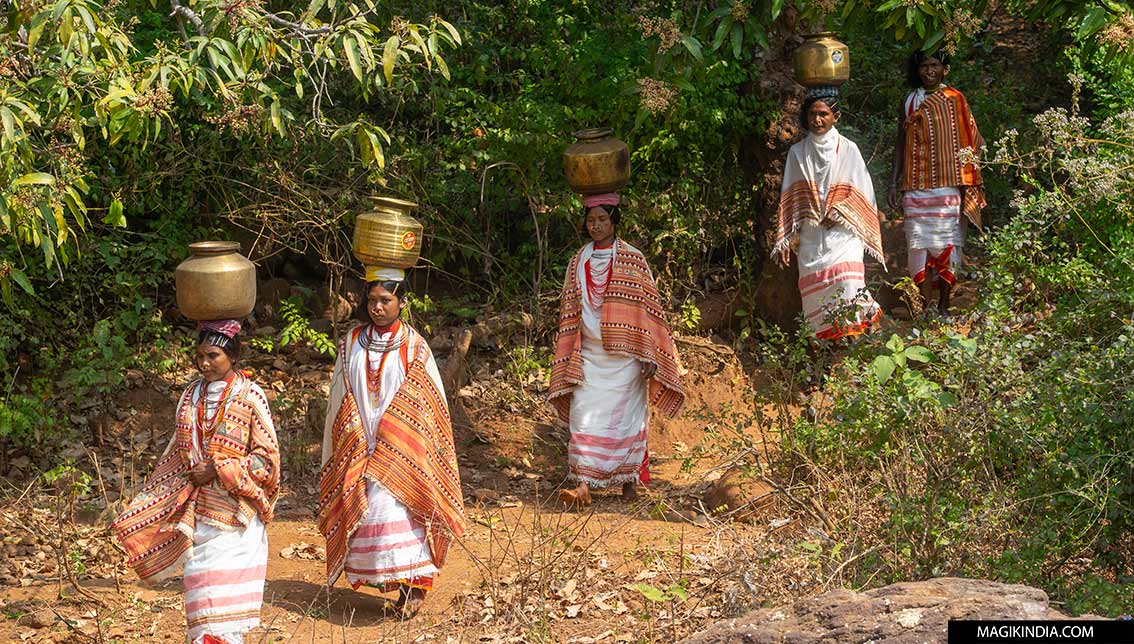
Nestled within the rugged terrain of Odisha’s Niyamgiri Hills, the Dongria Kondh cultivate a sovereign elegance that finds expression as...
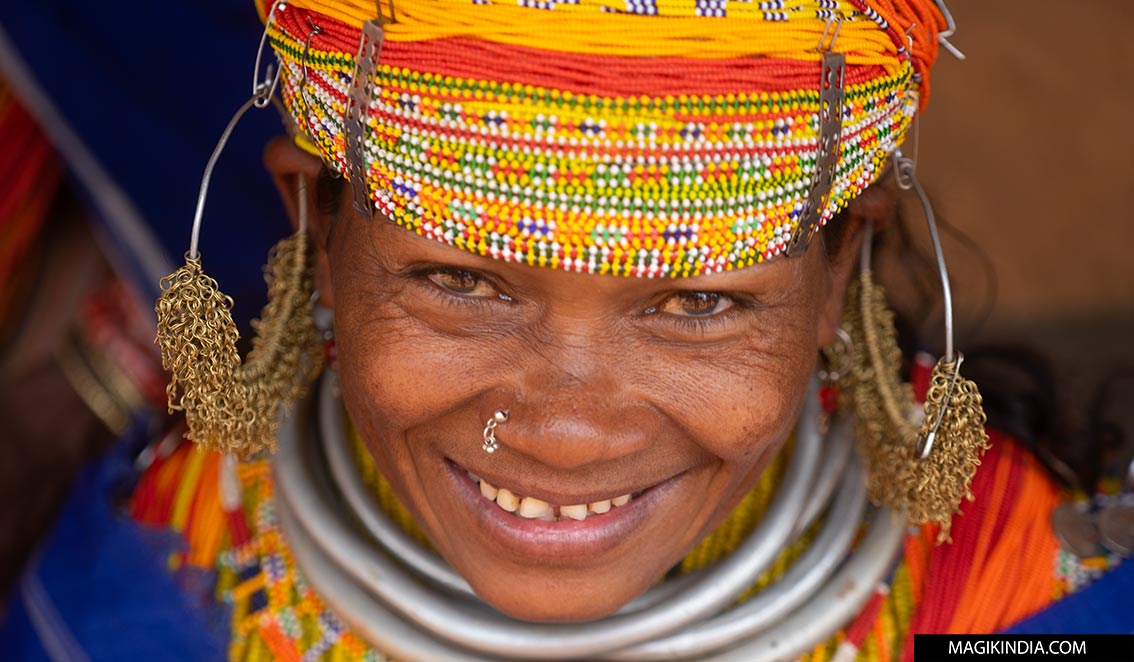
Nestled within the rugged folds of the Malkangiri district, on the fringes of the state of Odisha, lives the fascinating...

