
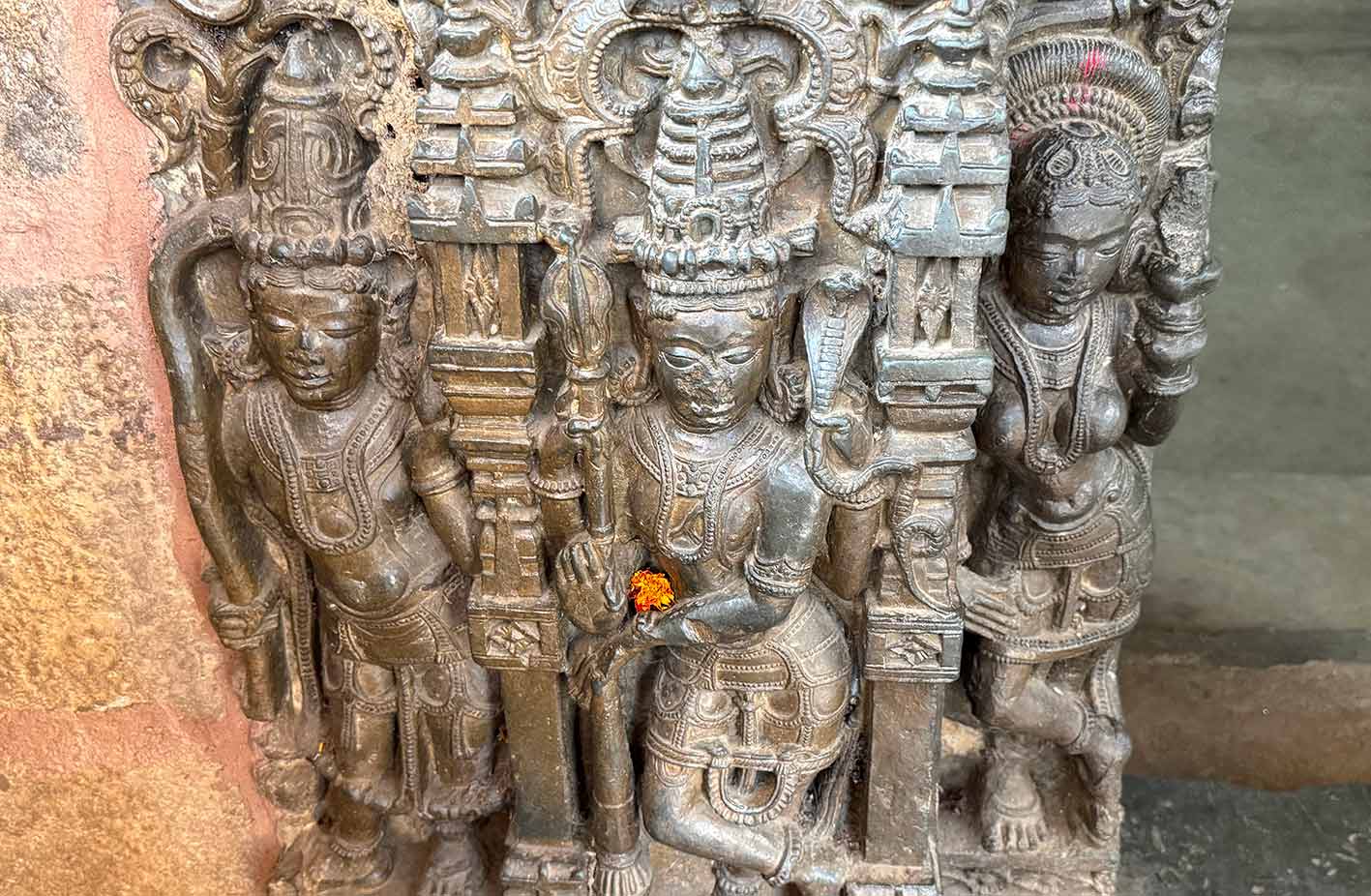
In the hollow of the wooded hills of the Maikal range, in the wild setting of Chhattisgarh, the Bhoramdeo temple...
Barsoor, city of 147 temples and 147 ponds
Located in the Bastar region (Chhattisgarh), the town of Barsoor stretches along the peaceful banks of the Indravati, witnessing its prestigious past as the capital of the Chhindak-Nagvanshi dynasty (10th to 14th centuries). It still bears the splendour of an era when it was nicknamed the “city of 147 temples and 147 ponds”, making it a fascinating stop for anyone wishing to immerse themselves in Indian history.
The Story of Barsoor
In its heyday, Barsoor was not a simple village, but the thriving capital of the Hindu kingdom Chhindak-Nagvanshi. The sovereigns had 147 temples erected there, according to tradition, each associated with a pond (talab) for ritual needs and water management.
In the 14th century, the rise of the Kakatiya dynasty shifted the center of power to Dantewada. Abandoned and gradually swallowed up by the forest, the city sank into oblivion until its archaeological rediscovery. Between myths associating the site with the demon king Banasura or the passage of Rama during his exile, Barsoor remains today a peaceful open-air museum, the ultimate witness to the medieval power of the Nagvanshi in Bastar.
The twin Ganesha
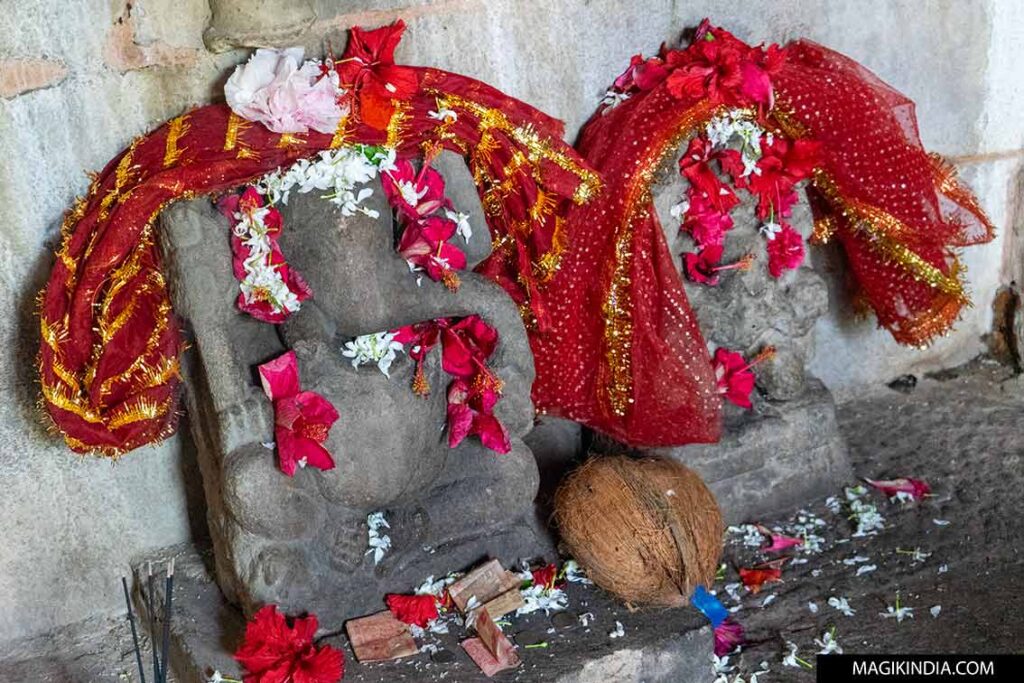
The twin Ganeshas of Barsoor are one of the most striking archaeological curiosities of the site.
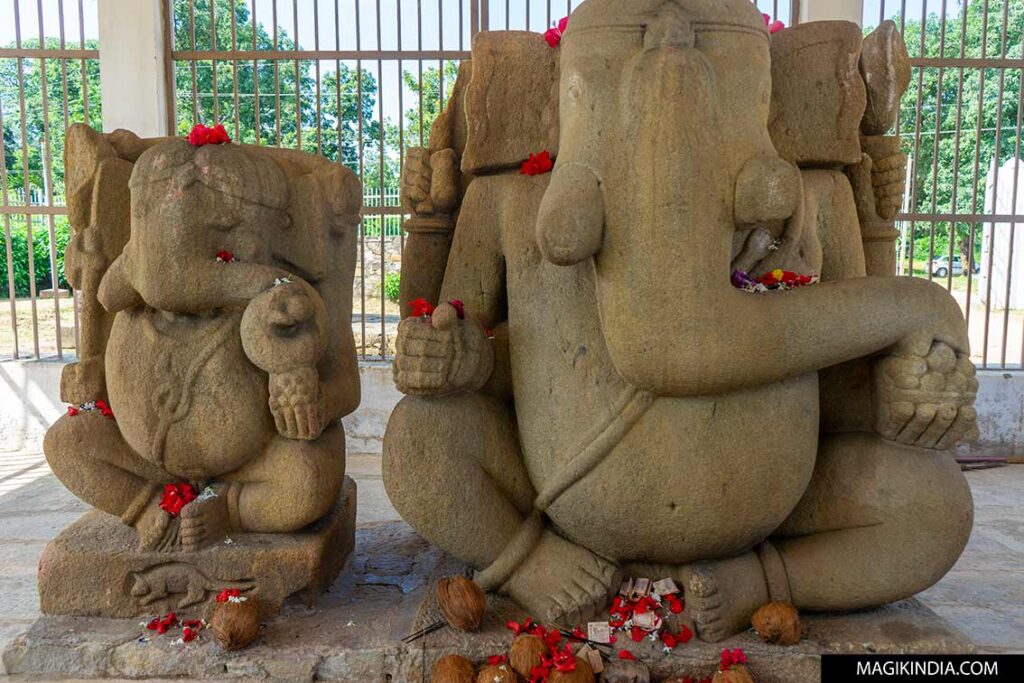
These two monolithic statues of Ganesha, carved from massive blocks of local sandstone, are distinguished by their restrained and direct style. The larger of the two stands nearly two meters tall—an impressive technical feat for a sculpture carved from a single piece of stone during that era.
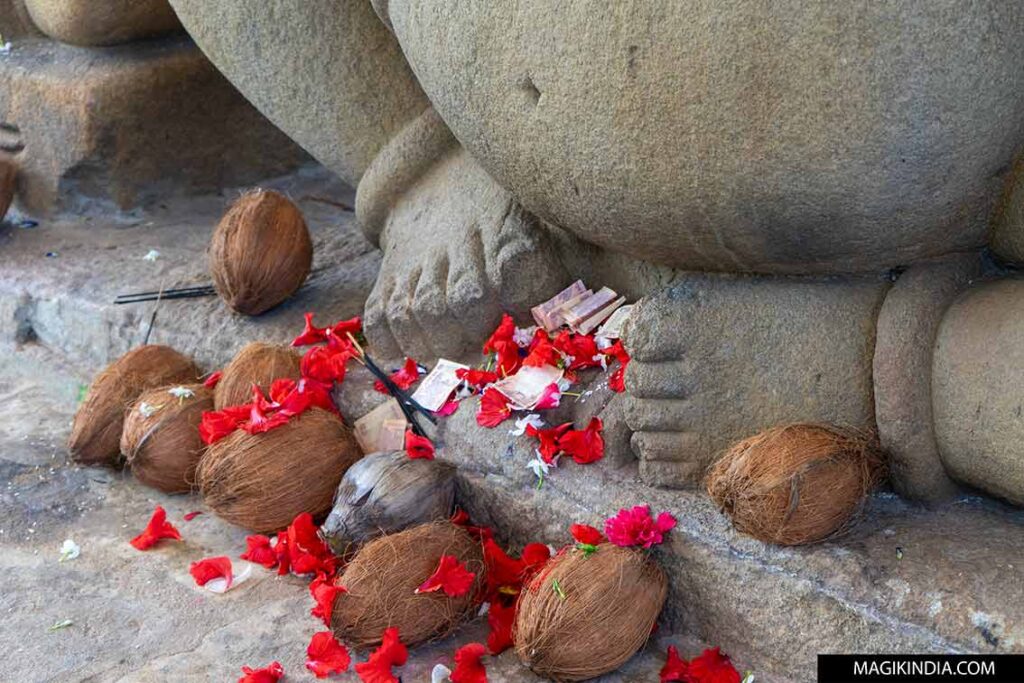
The presence of two statues of Ganesha, side by side, is a fascinating aspect. In Shaivite tradition, Ganesha is the protector of new beginnings and the remover of obstacles. The choice to erect two monumental statues in a royal capital like Barsoor probably served as symbolic guardians of the site or of a vanished royal enclosure, ensuring the prosperity and security of the city.
KNOW MORE ABOUT GANESHABattisa (the 32 pillars temple)
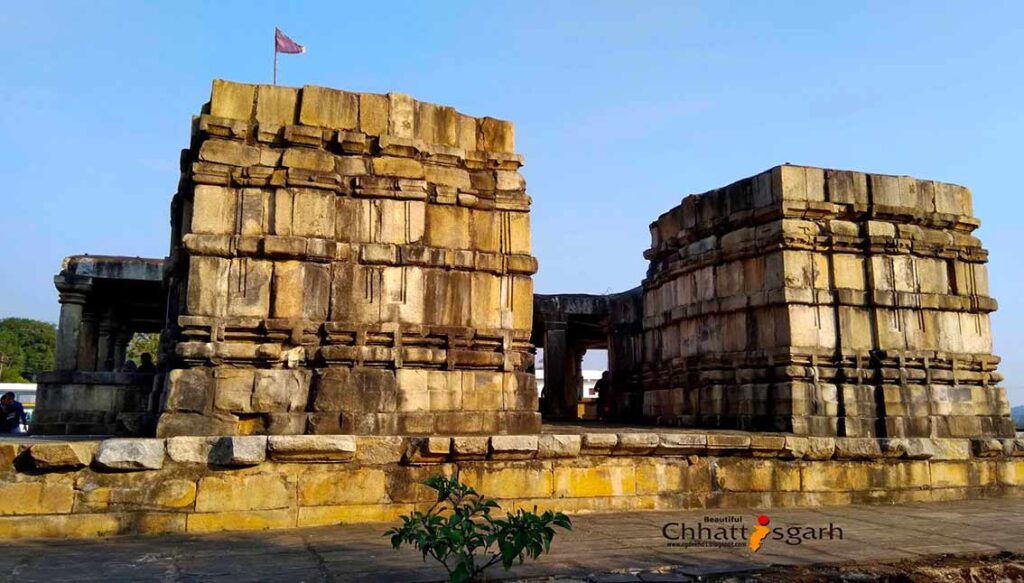
The Battisa Temple, also known as the “temple of 32 pillars”, undoubtedly remains the best preserved building in Barsoor. Like the two statues of Ganesha, it bears witness to an architecture marked by great sobriety.
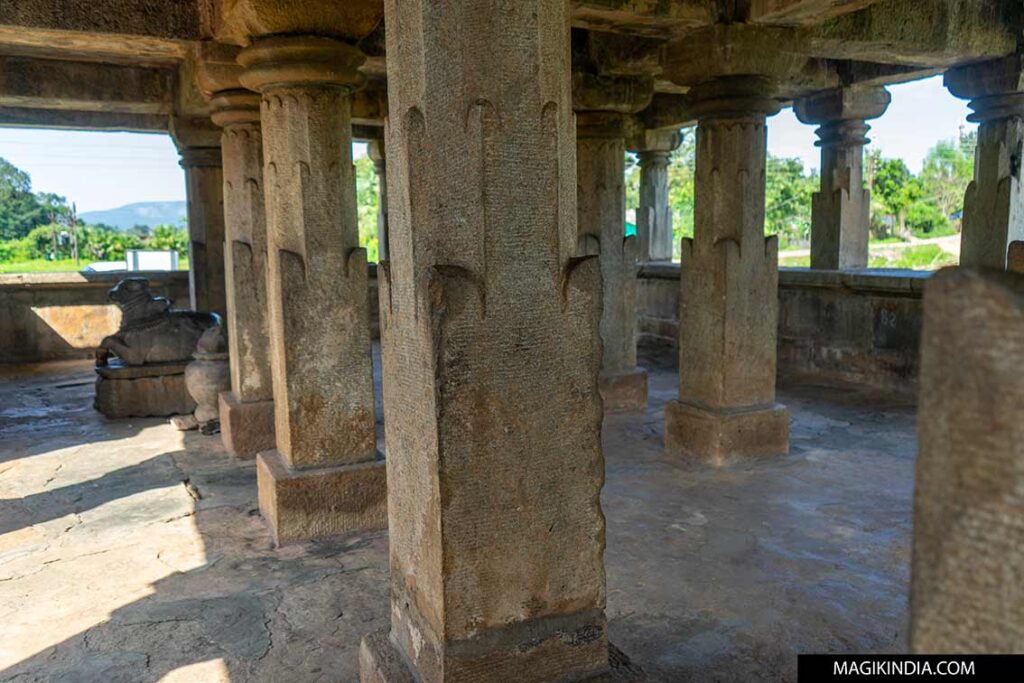
The name of the temple Battisa directly refers to the word “Battis”, which means “thirty-two” in Hindi. This name underlines its architectural prowess: thirty-two pillars are arranged there with remarkable geometric precision, delimiting an open and airy space which contrasts with the usual darkness of Hindu sanctuaries of this period. The temple thus rises on a massive stone base, supporting a vast hypostyle room.
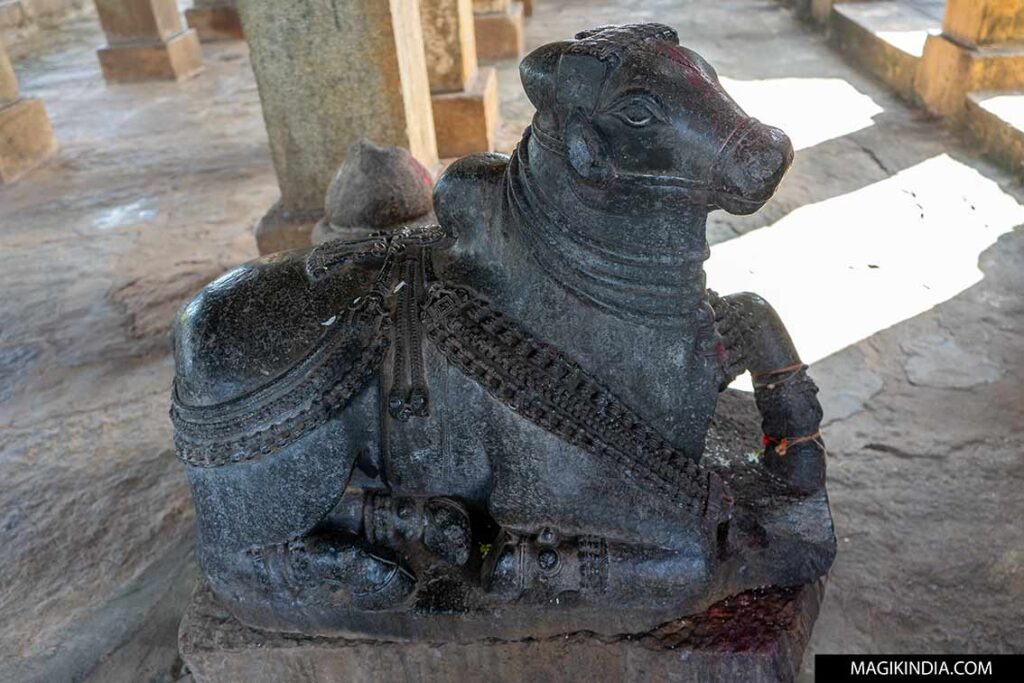
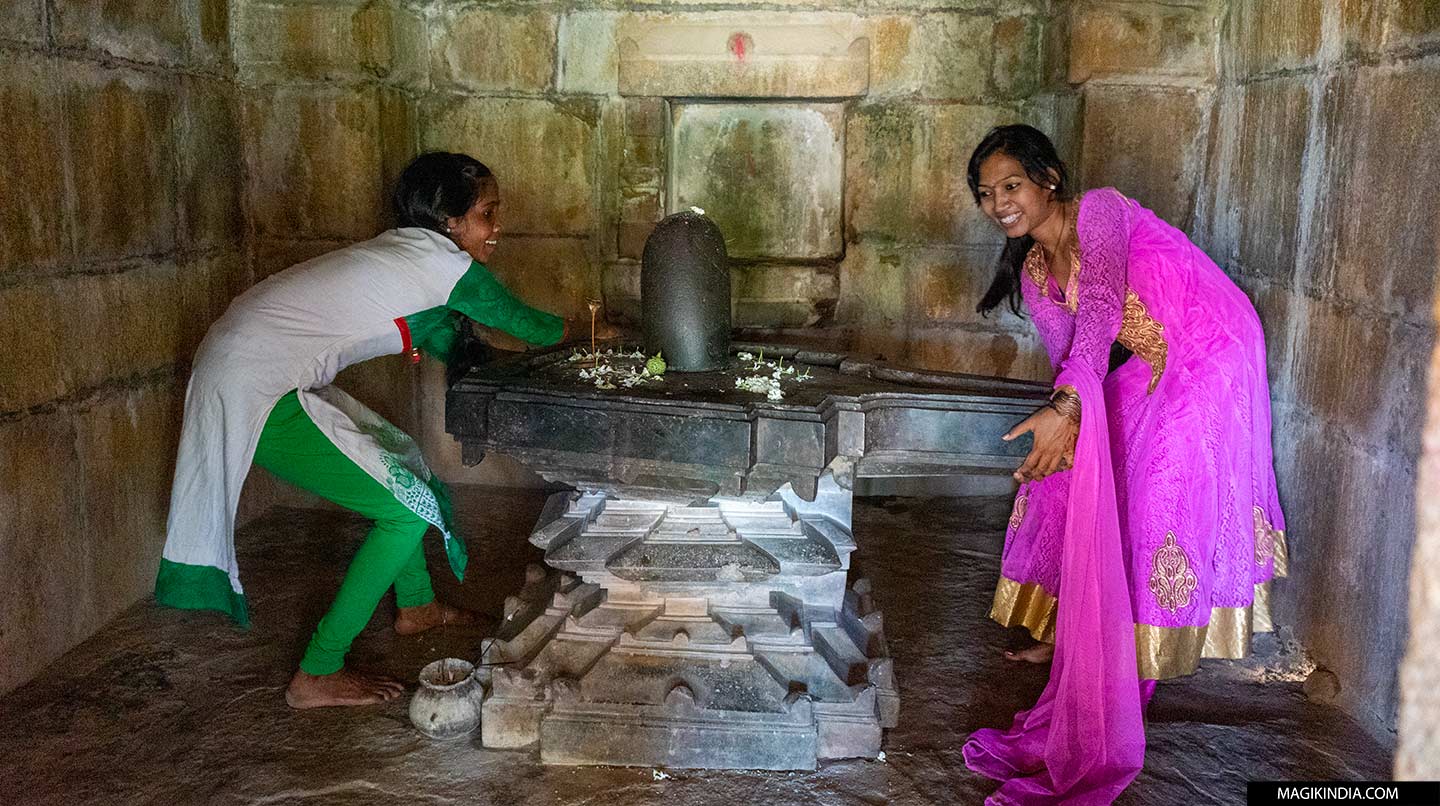
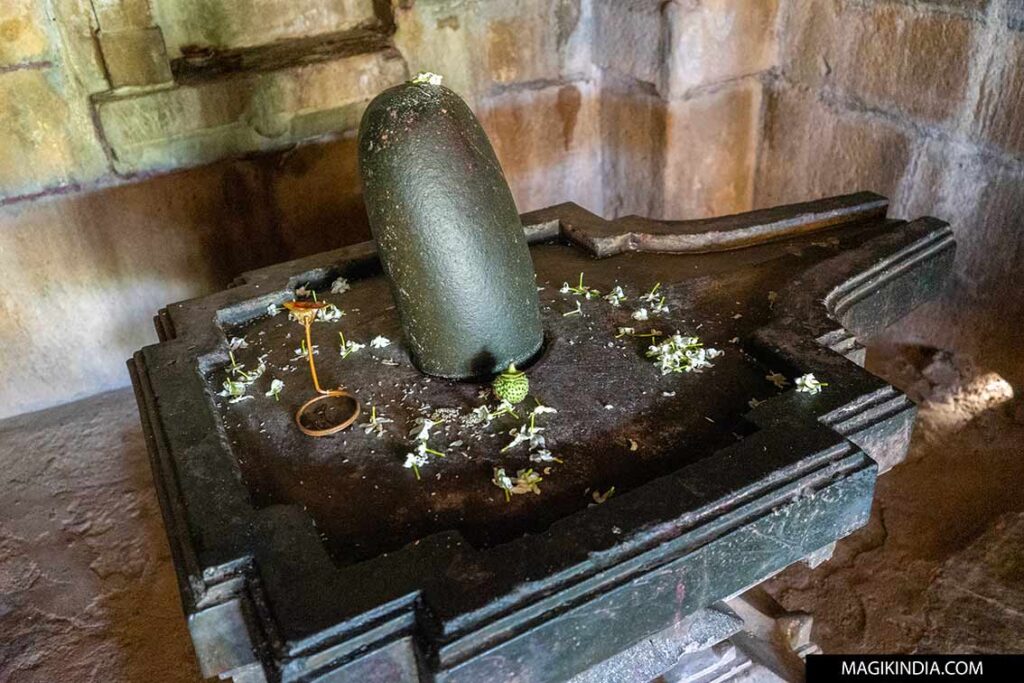
Battista is dedicated to the god Shiva and is distinguished by a unique interior layout: it houses two distinct sanctuaries (garbhagrihas) side by side, each containing a lingam, with, facing them, the sacred bull Nandi, Shiva’s mount, in a posture of veneration.
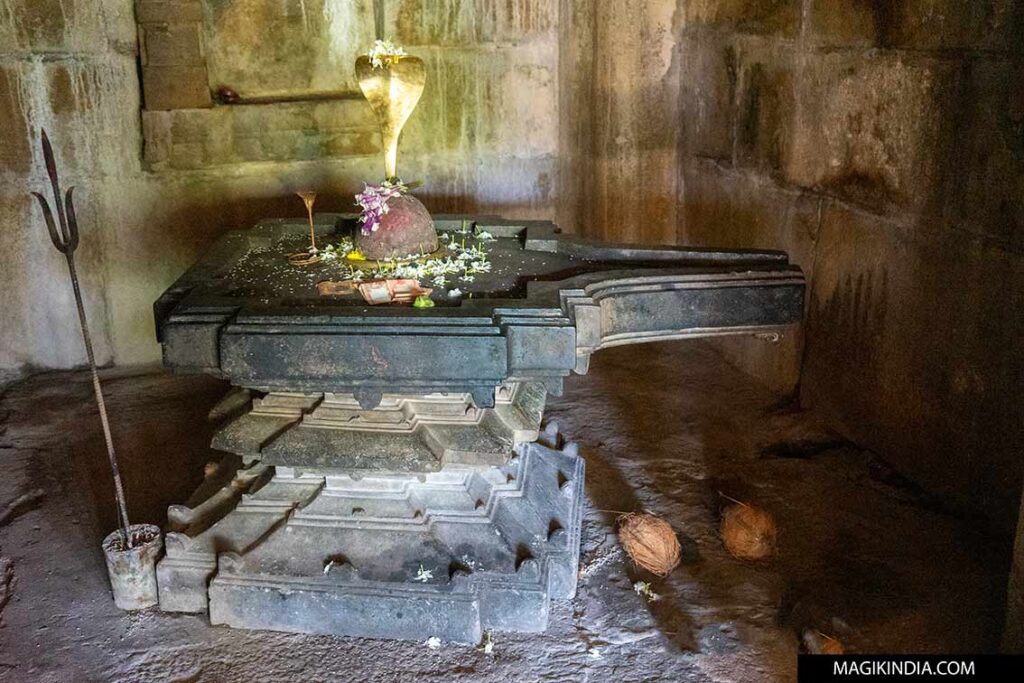
This dual configuration suggests a particular ritual importance, perhaps intended to celebrate two complementary aspects of divinity, or to serve specific royal ceremonies involving the lineage of Nagvanshi rulers.
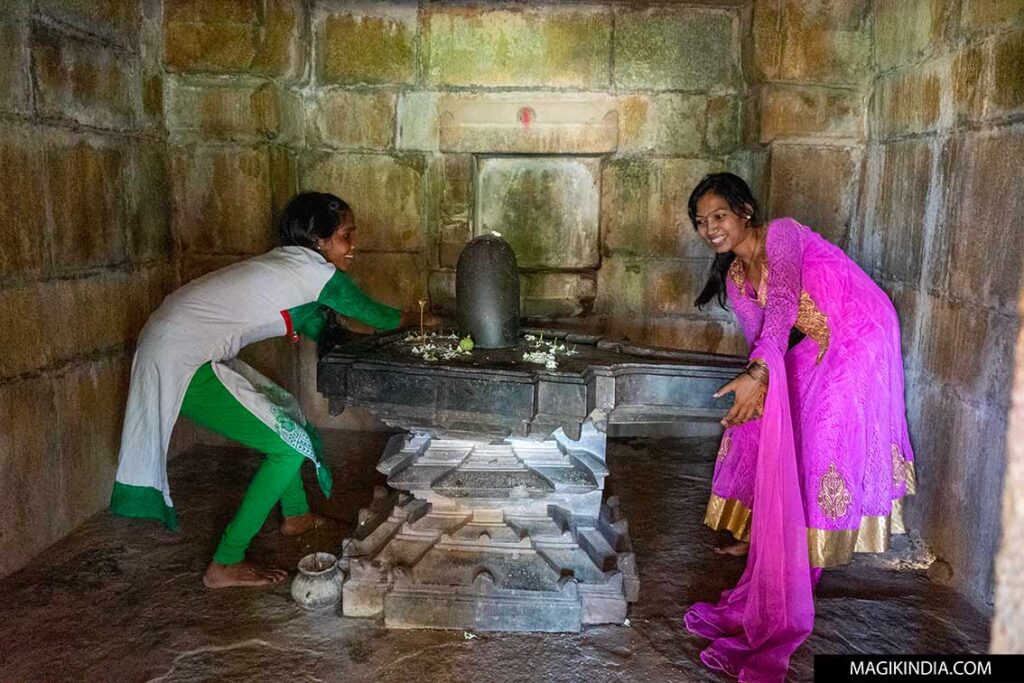
One of the lingams has a particularity: it is installed on a rotating platform. This mobility probably allowed priests to direct the deity during specific rituals or processions.
Mama-Bhanja
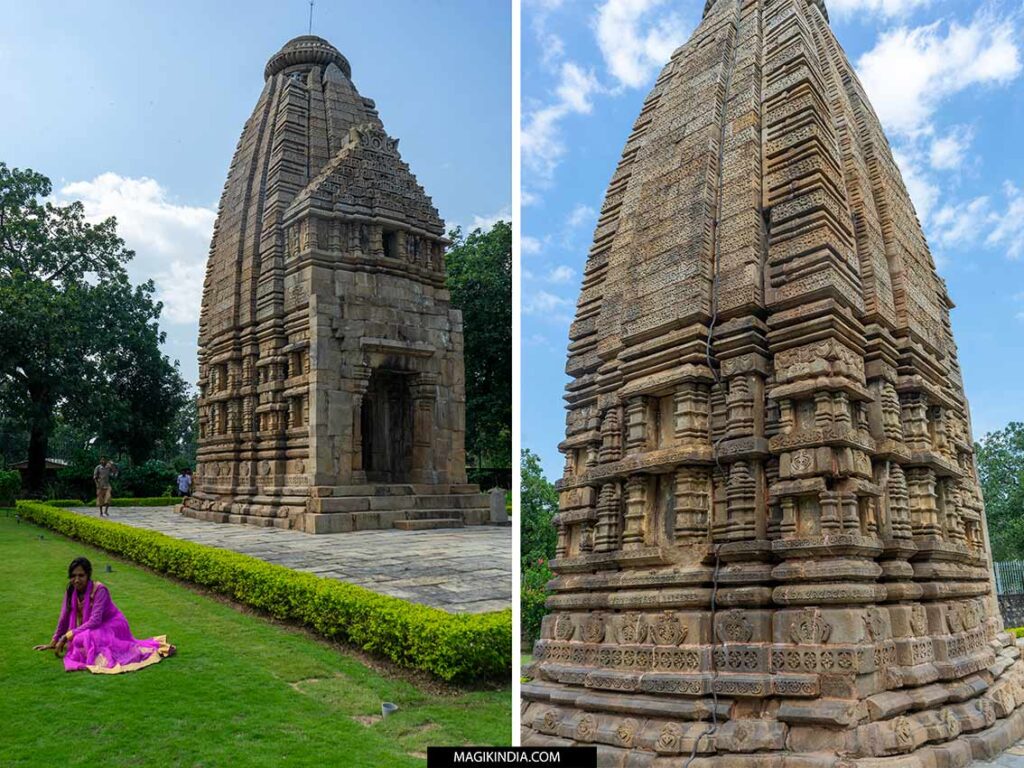
According to local oral tradition, the construction of this temple was the result of a daring bet between an uncle (mama), a renowned master craftsman, and his nephew (bhanja), a young prodigy in the making. To prove their respective expertise, they would each take on the challenge of building a complete temple in a single day. Legend has it that the nephew, through his exceptional talent and diligence, finished its construction before his uncle.
Consumed by jealousy over his nephew’s meteoric success and fearing that his own reputation would be eclipsed, the uncle was reportedly driven by bitterness to commit a fatal act against the young prodigy.
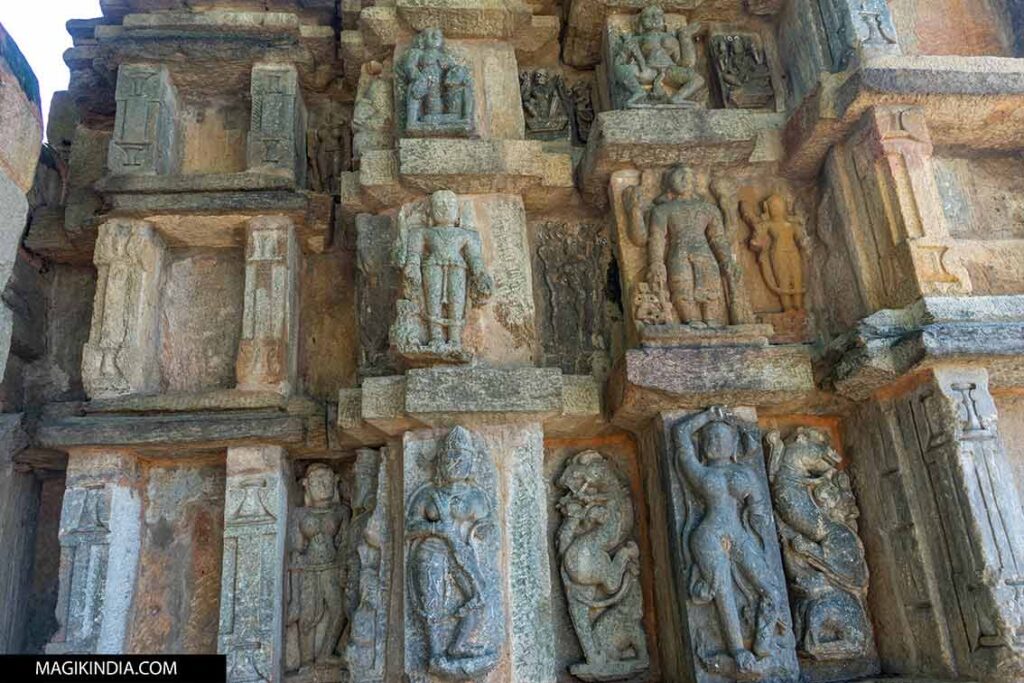
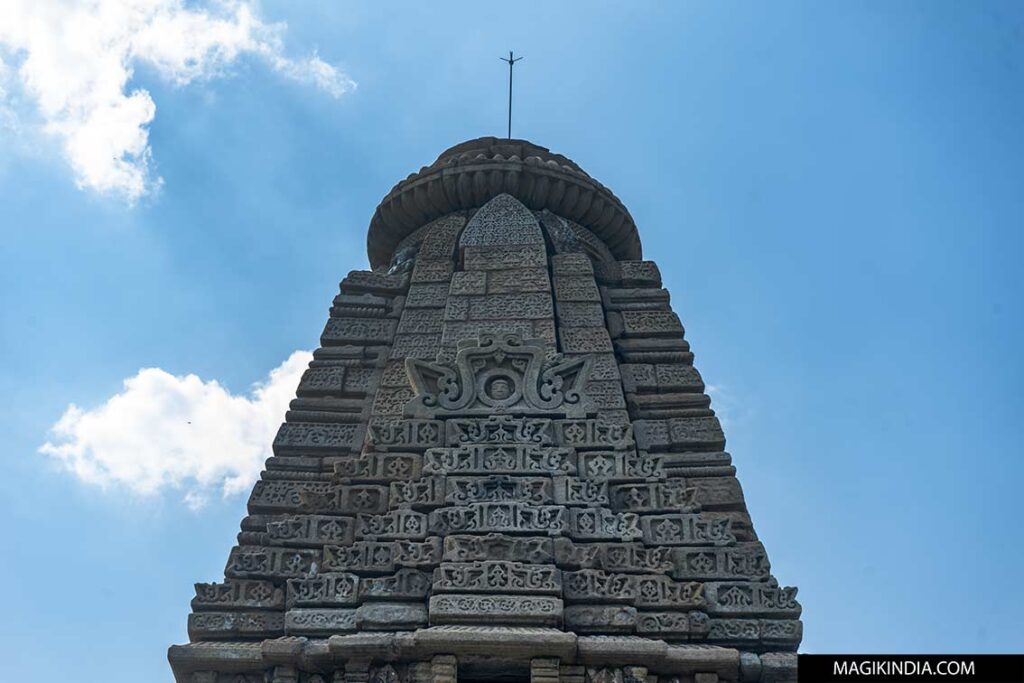
Beyond the myth, the Mama-Bhanja temple remains a masterpiece of Nagvanshi art. Despite the erosion caused by centuries, the exterior facades still display great decorative refinement, even though they now lack their original statues.
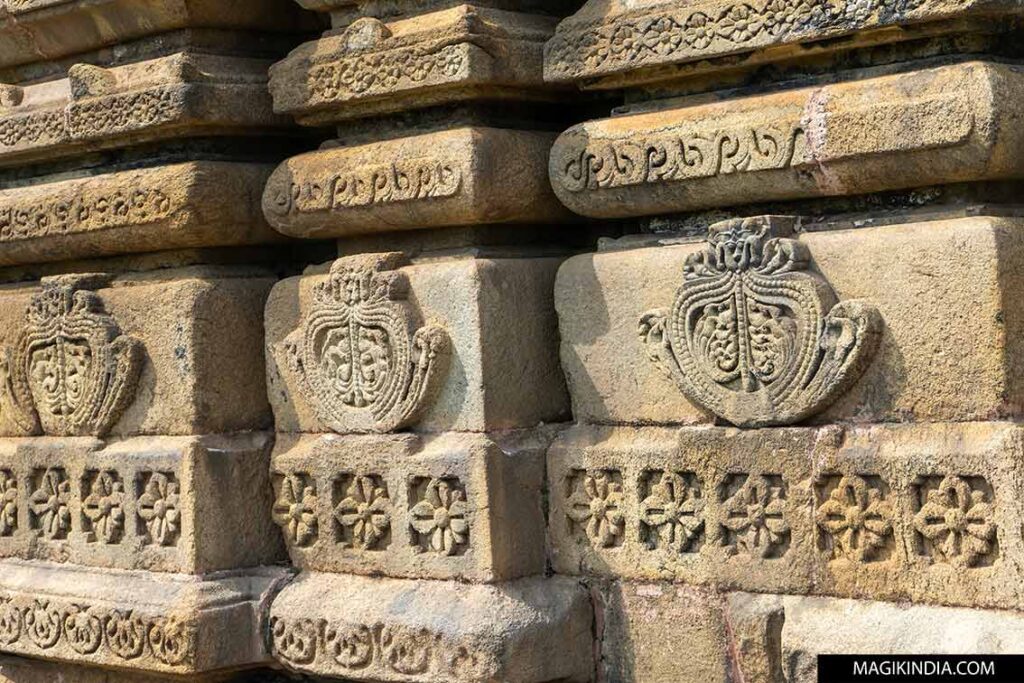
The overall design demonstrates a perfect mastery of the balance of forms, typical of the medieval architecture of Chhattisgarh, where the harshness of the sandstone is softened by the profusion of ornamental motifs.
Chandraditya
Located near a picturesque pond (the Buddha Talab), this temple which means “son of the moon and the sun” is dedicated to Shiva and suggests a cosmic dimension. This nomenclature underlines the importance of celestial cycles in the religious thought of the Nagvanshi rulers, who saw in their temples points of connection between heaven and earth.
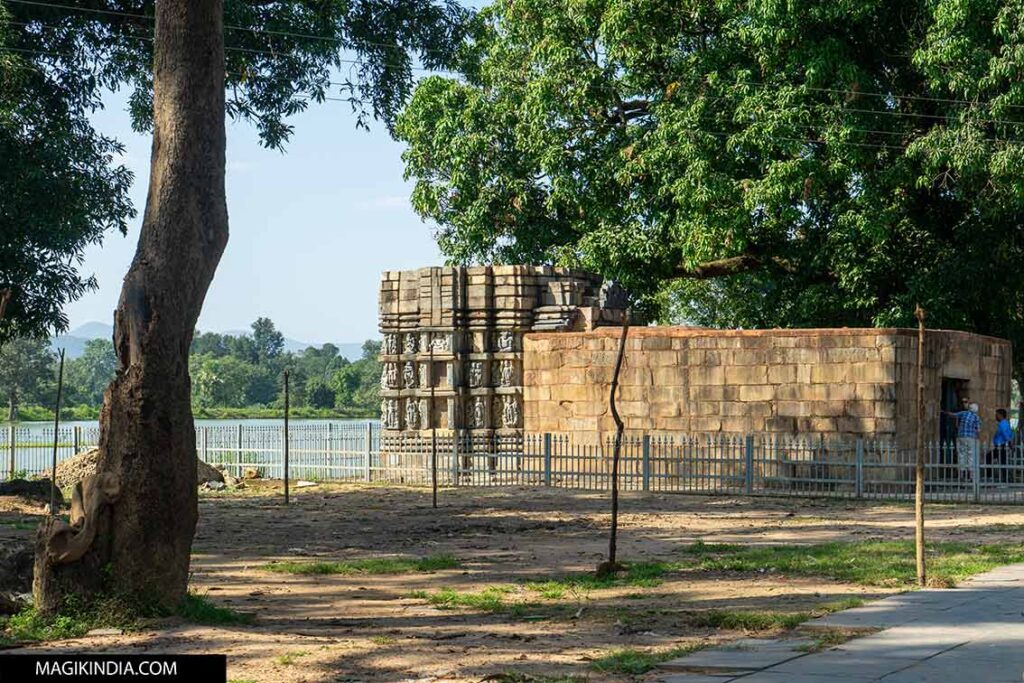
Chandraditya is distinguished by a more accomplished architectural design, adorned with a wide range of sculptures ranging from major deities of the Hindu pantheon to representations of daily life.
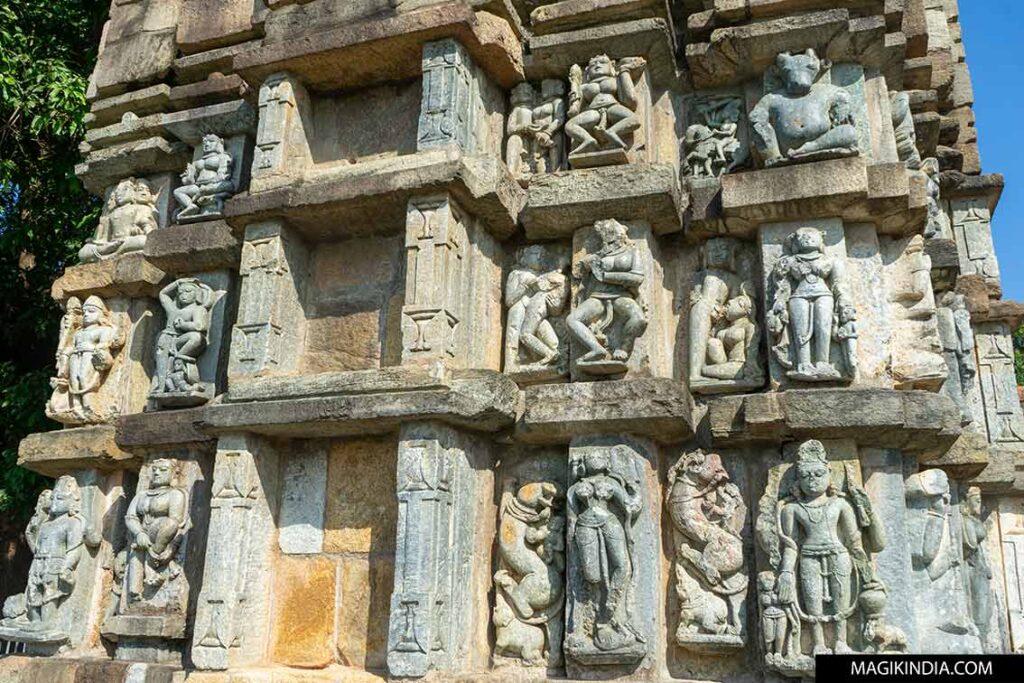
There we find dancers, musicians, warriors and mythological animals, all chiseled with remarkable precision in the sandstone.
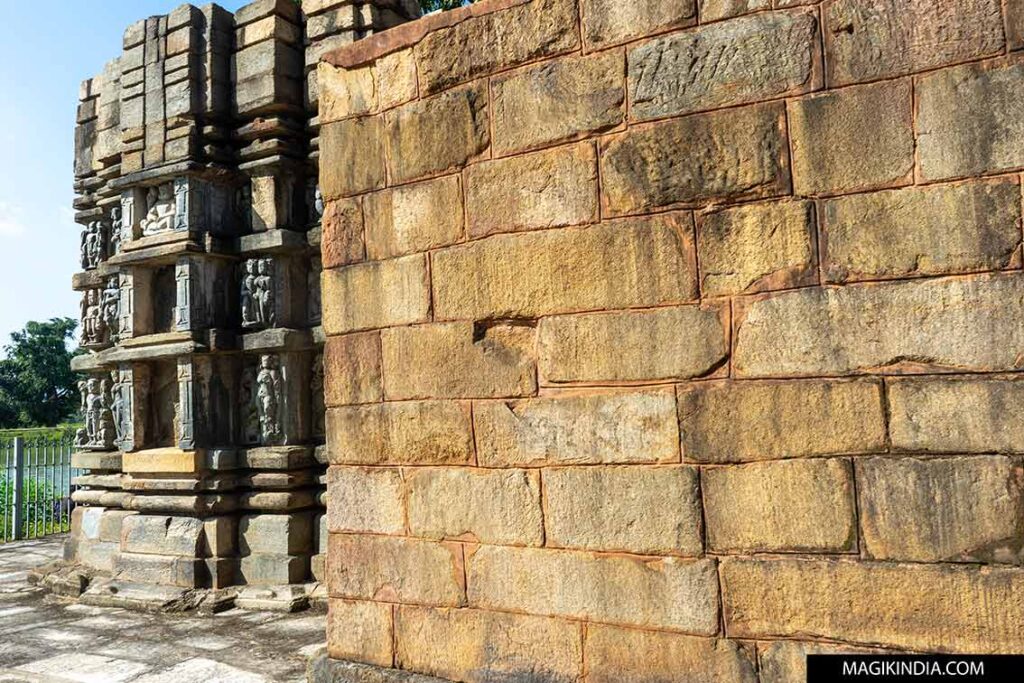
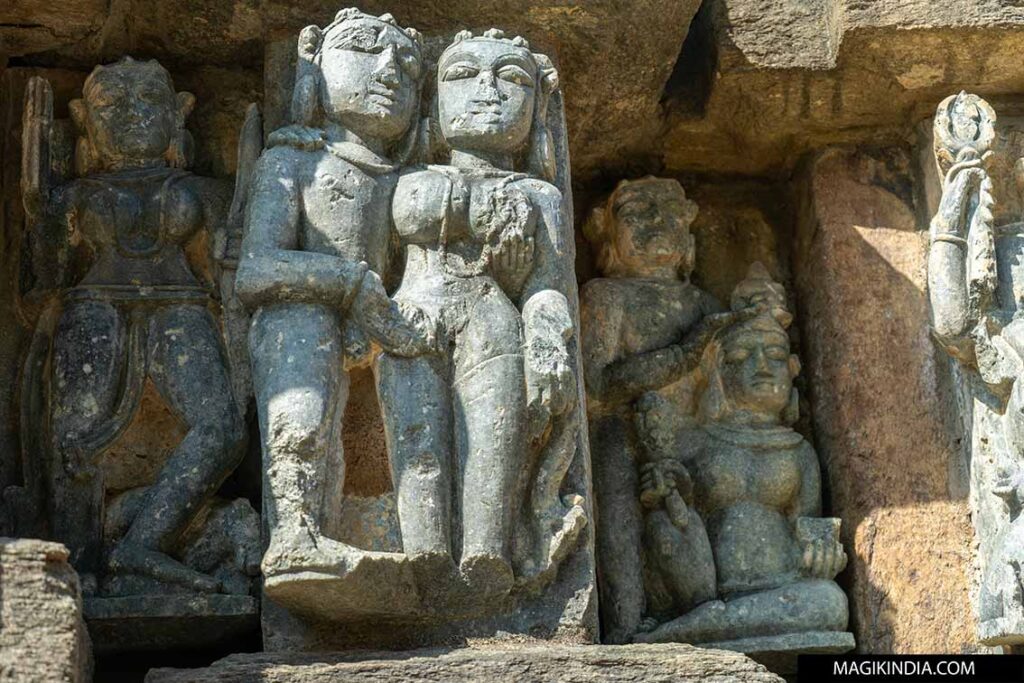
The temple is also famous for its explicit scenes and erotic postures, treated with great artistic freedom. In Shaivite tradition, these depictions are not considered obscene, but a celebration of creation, life and earthly pleasures within the framework of the Dharma.
Vous aimerez peut-être aussi...

Languid on the banks of the Narmada, in the southwest of Madhya Pradesh, Maheshwar offers the image of a city...

Nestled on a fortified plateau of the Vindhya Hills, over 600 meters above sea level, Mandu (or Mandav) is one...

Some forms of art do not merely traverse time; they suspend it. Deep within the tribal strongholds of India, where...
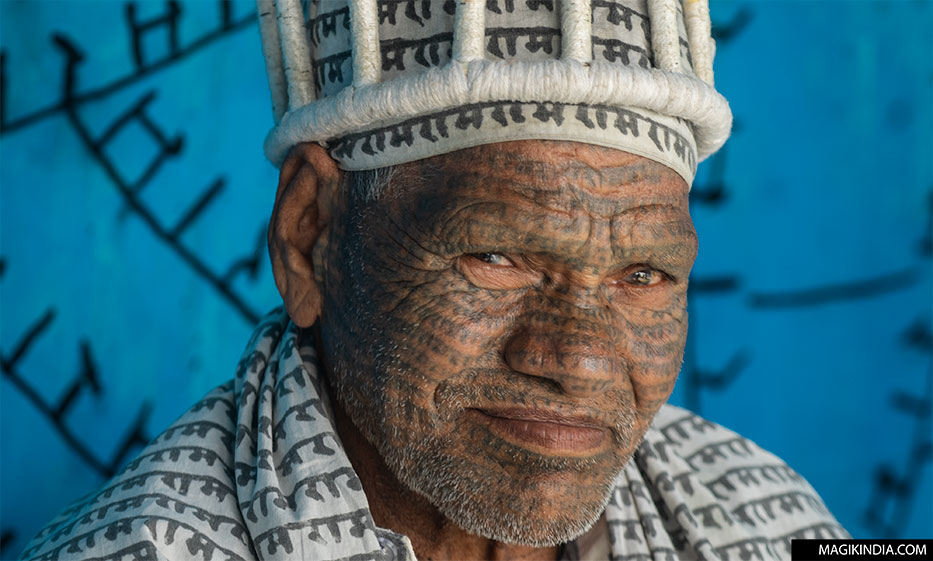
In the rural plains of Chhattisgarh, in central India, lives a community whose physical appearance tells a story of defiance,...
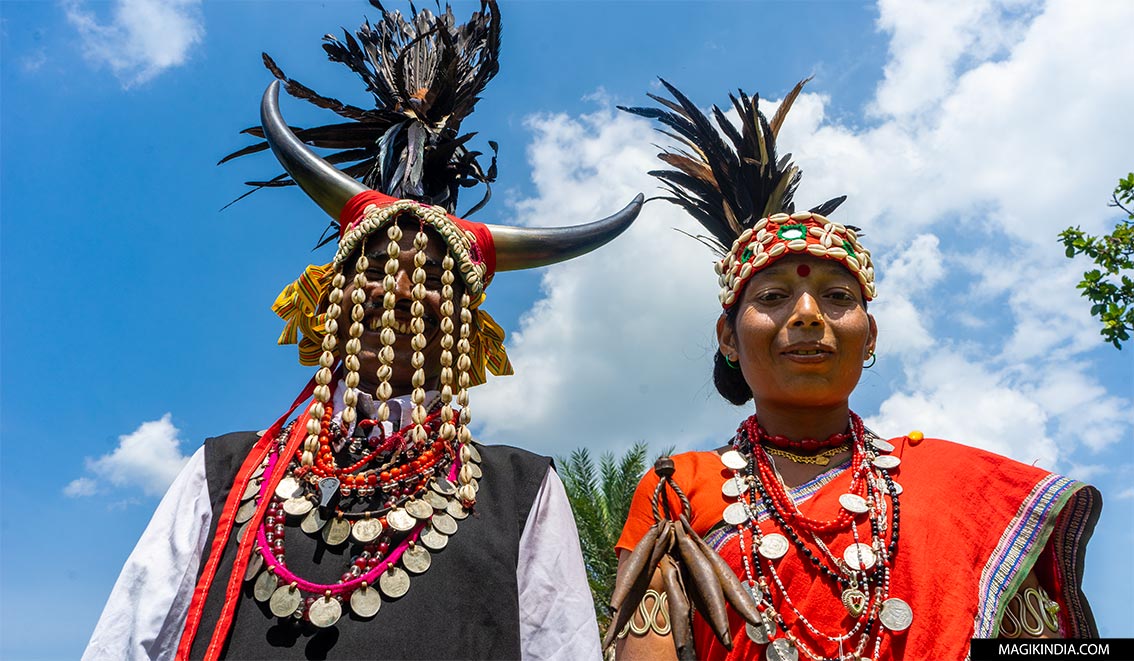
Inhabiting the high plateaus of Bastar (Chhattisgarh), the Dandami Maria tribe constitute an emblematic branch of the Gond people, distinguished...

