





Namaskaram !
Welcome, Padharo ! I'm Mathini, a French woman who has been living in Rajasthan for 10 years. Despite being imbued with Indian culture from a young age it wasn't until 2014 that my Indian adventure really began. I left everything behind in France and set off on a 6-year journey through the land of Gandhi. These adventures are gathered in this blog which aspires, in an intentionally positive spirit, to bear witness to India's remarkably diverse and multifaceted cultural heritage. If this website sparks a desire to pack your bags and set off for an Indian adventure, it will have achieved its purpose. Subh Yatra on Magik India and beautiful explorations in the sacred land of Bharat...
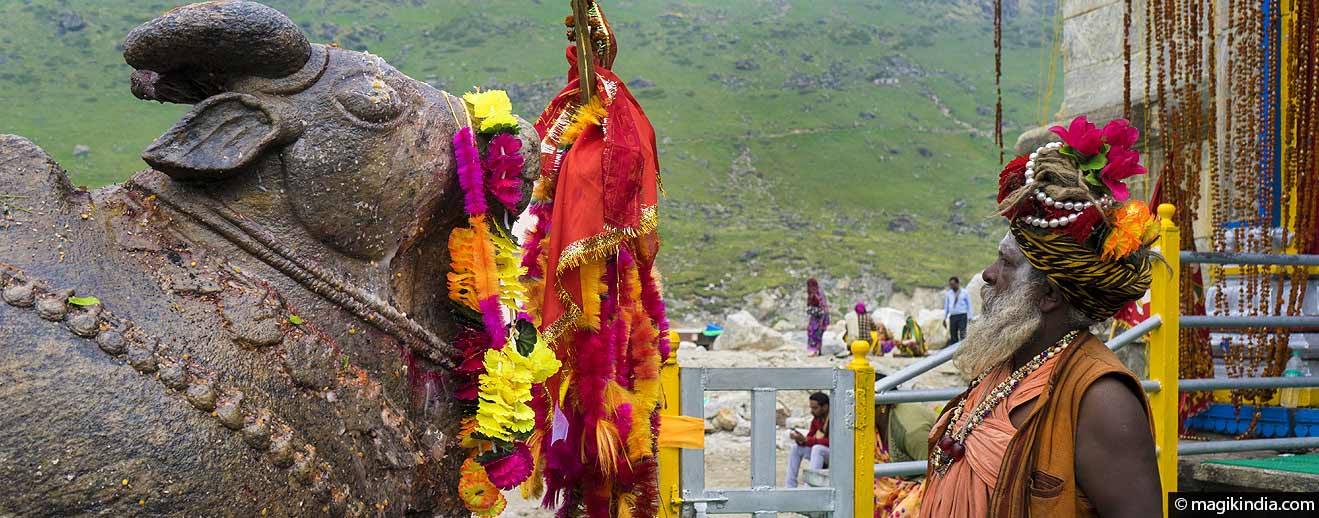
 Char Dham, meaning ‘four abodes’, is the pilgrimage circuit around the four most revered pilgrimage sites in all India. These are in Badrinath, Dwarka, Puri and Rameshwaram. Over time, another Char Dham pilgrimage circuit has developed, in Uttarakhand state in North India. It is known as Chota Char Dham, ‘the four small abodes’ or ‘Himalayan Char Dham’. Hindus believe that a pilgrimage or yatra around the Char Dham cities opens the way to Moksha, liberation from the cycle of deaths and rebirths. They also think that every believer should try to visit each of these places at least once in their life.
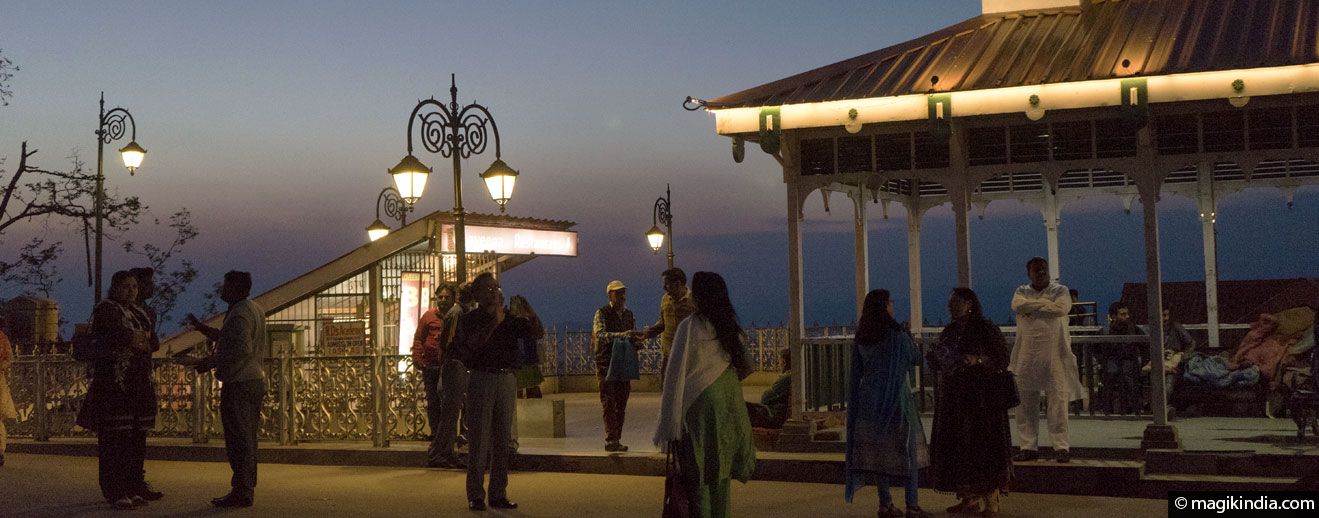
Located 2200m above sea level, Shimla is the capital of Himachal Pradesh and one of the most popular hill stations in northern India. The newlyweds and Indian families fleeing the summer heat come and take refuge there. At the end of the 19th century, Shimla was also the British Raj’s favorite destination due to its ideal location between green hills and snow-capped mountains. They made it their summer capital and left there many refined edifices that make the charm of the city. Shimla is a peaceful stop before heading to the Kinnaur Valley or the North of the State.
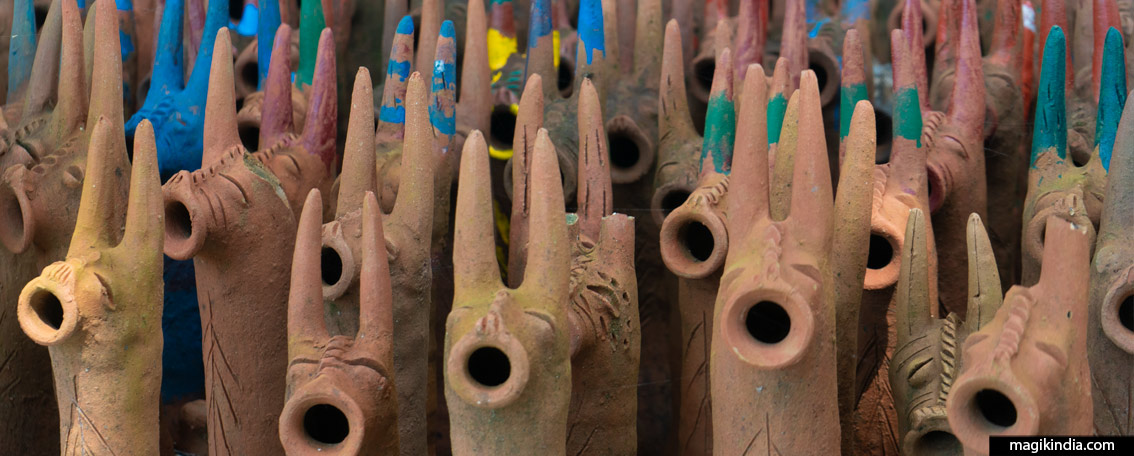
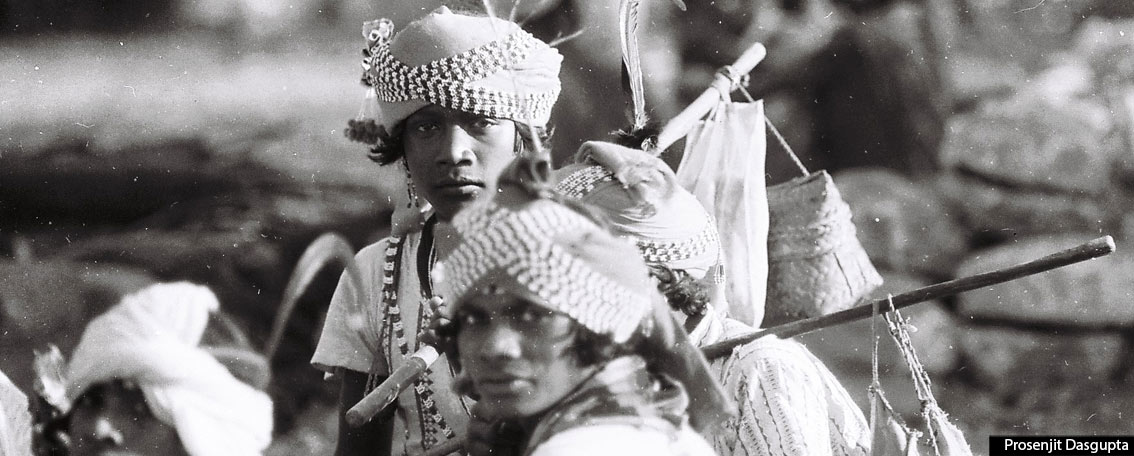
If you pass by Udaipur, Rajasthan, you may like to make a short detour to Poshina, you will not regret it! The winding road that leads you to this authentic village of Gujarat crosses the Aravallis mountains, particularly enchanting after the monsoon, when the lush nature offers a colour palette of intense and fresh greens. What a delight! But there are more surprises to come. On arrival, you are greeted by the descendants of the Maharajas in the ancient palace of Darbargadh, which will be your charming dwelling during the time of your visit to the region. The rest of the story is a series of beautiful discoveries, from the intriguing adivasis terracotta horses to the colorful Garasia peoples, not to mention the very elegant Rabaris shepherds with large vermilion turbans.
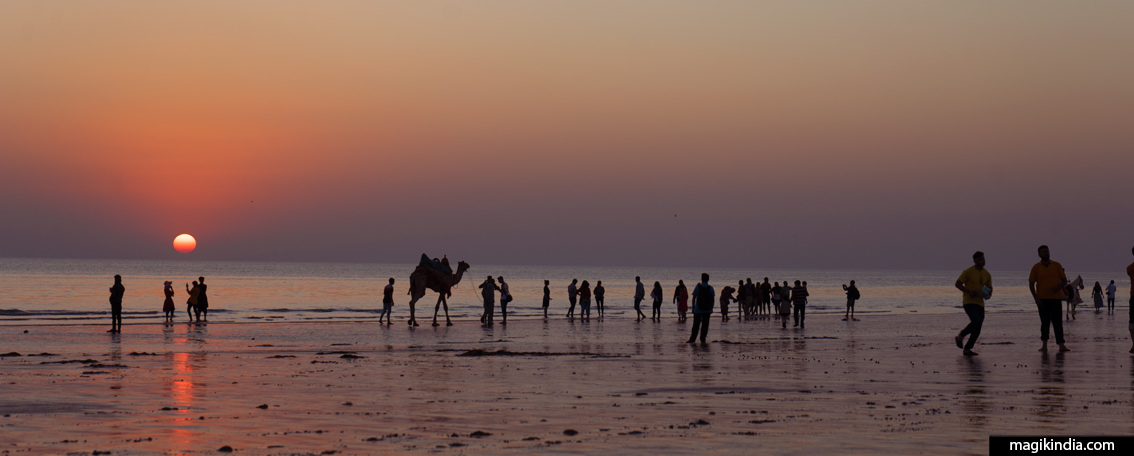
Mandvi is a charming coastal town about sixty kilometers from Bhuj, the capital of the Kutch region in Gujarat. This is usually the last stop on the journey to Kutch. Travellers come here to have a relaxing break on its white sand beach before heading back to Ahmedabad. Mandvi was in the 18th century a flourishing port with a fleet of several hundred ships trading with East Africa, Malabar (present-day Kerala) and the Persian Gulf. From this past as a commercial port, Mandvi has kept shipyards specialising in the construction of traditional wooden boats, which are mainly exported to Arab countries.
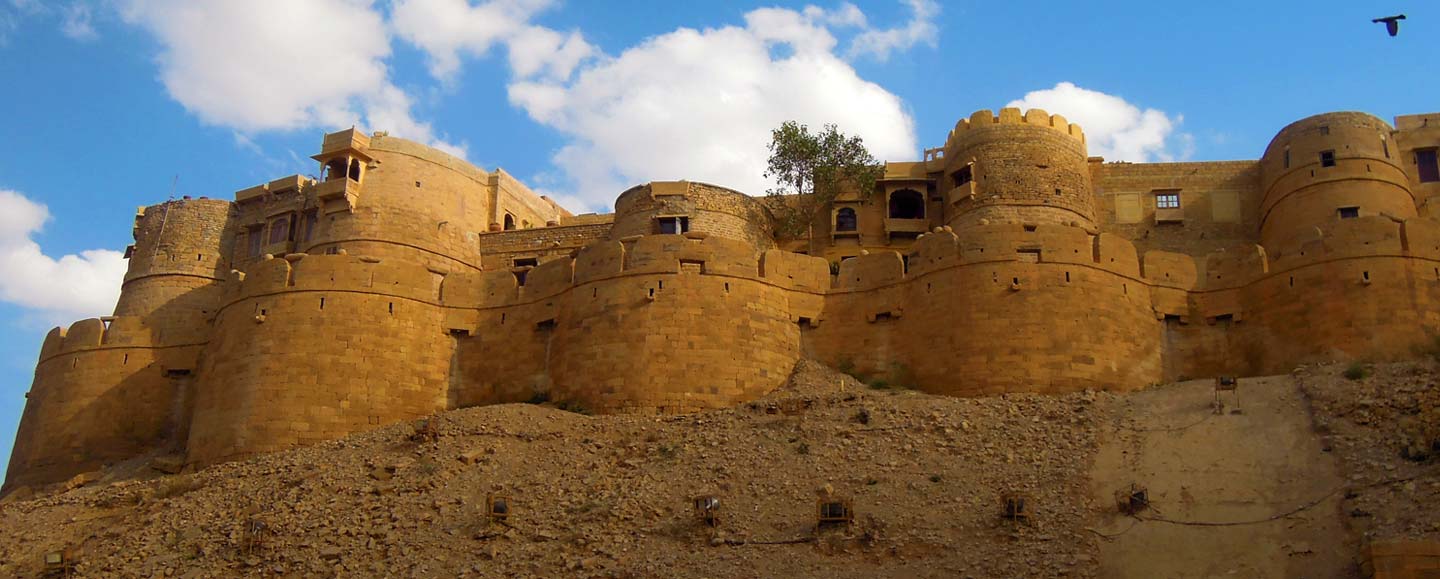
 Jaisalmer is a diadem of gold and sand set gracefully down in the arid wastes of the Thar desert. The beauty of this honey-coloured city is matched only by the luminous desert all around it, where camel caravans laden with precious goods once tramped across the dunes.
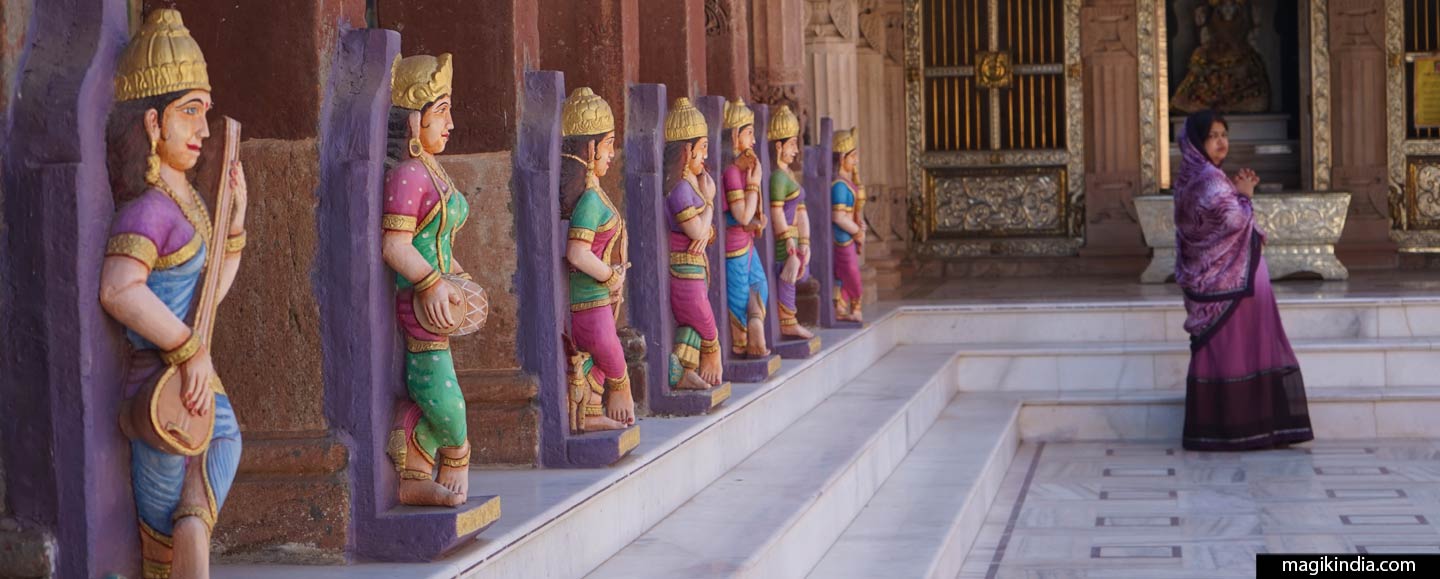
Gateway to the Thar Desert, the hamlet of Osian, 70 km from Jodhpur, takes us back in time to the days when camel trains trudged endlessly along silk road, loaded with precious items.
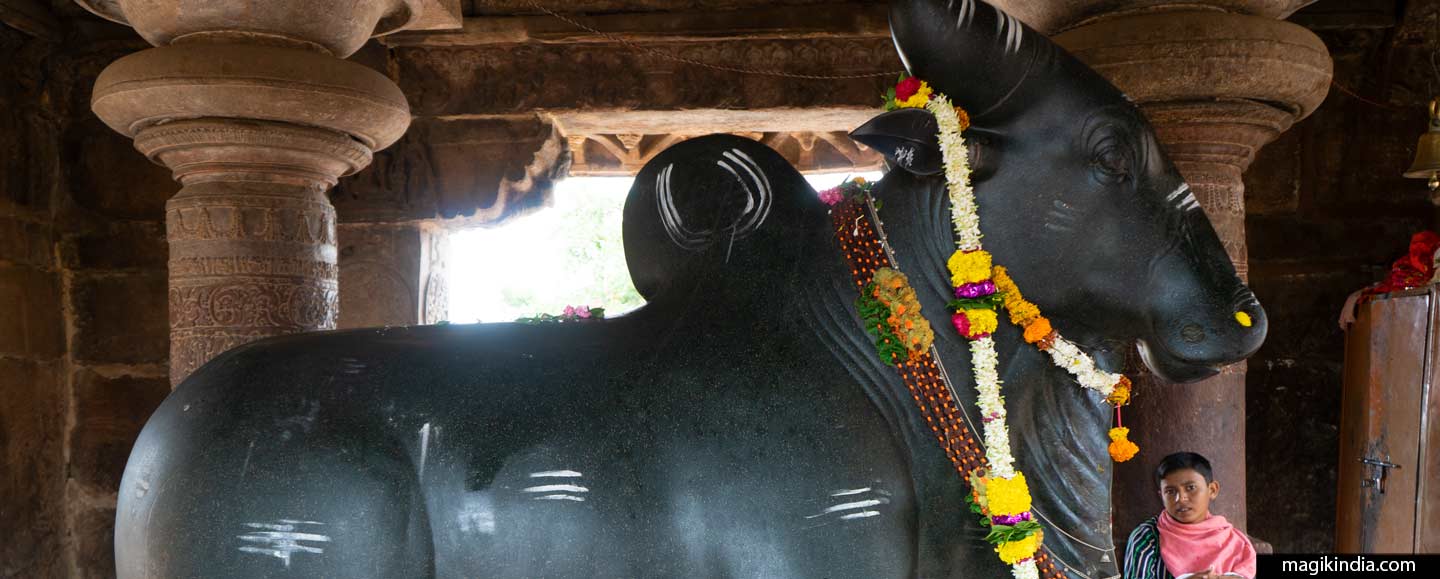
Pattadakal, a World Heritage Site, is, along with Aihole and Badami, the architectural gems of northern Karnataka just like Beluru and Halebidu are those of the south. This site was not only used for the coronation of the Chalukyas rulers, but was also an important cultural center carried by a creative will. The remains of these monuments harmoniously mixing the architectural styles of the north and the south further attest to this new approach to temple construction.


